Nature
Erhai Lake
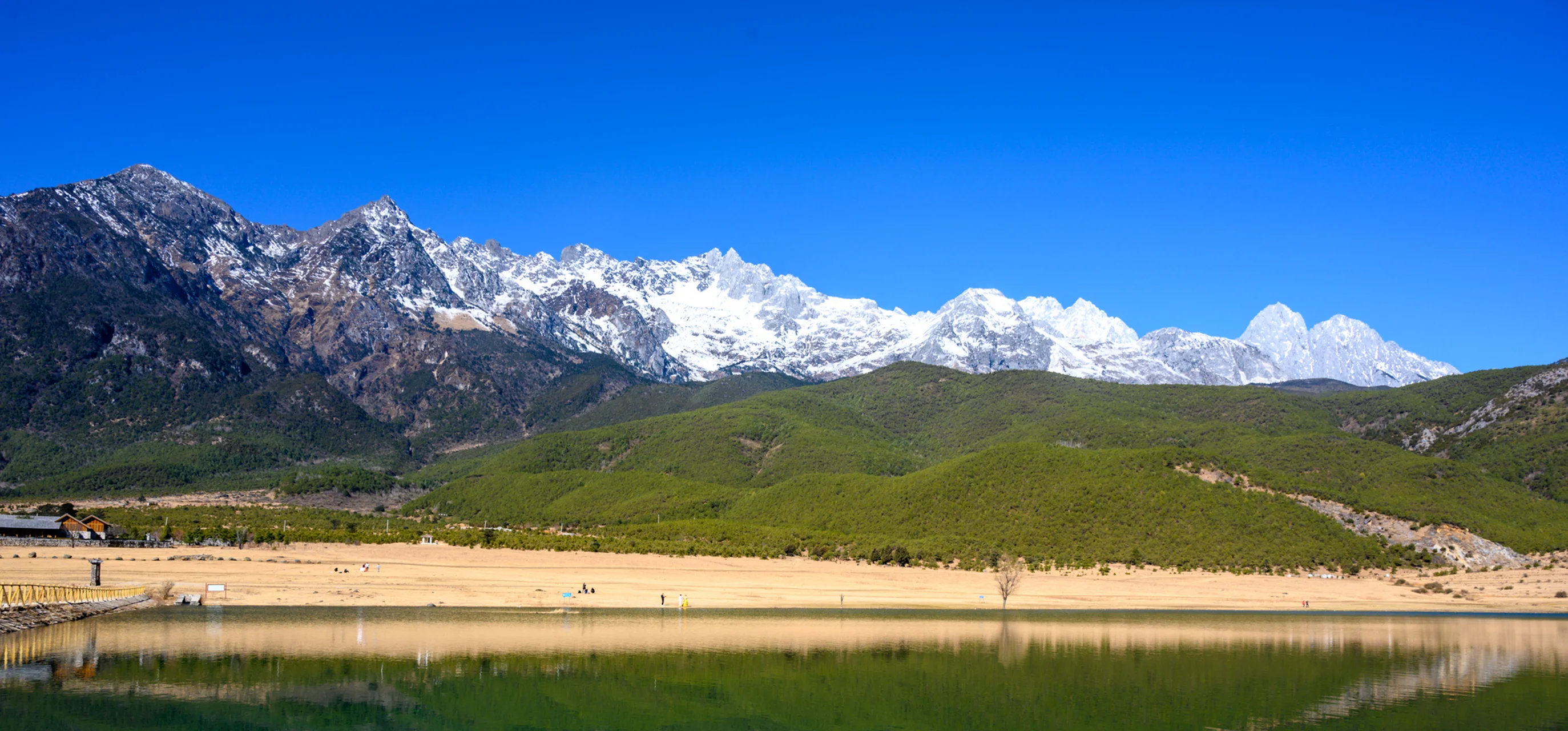
Yunnan's second-largest freshwater lake, shaped like a human ear. Crystal-clear waters reflect the Cangshan peaks. Cycling around the lake (130km) is a must-do experience.
24/7
Free (boat tours ¥100-200)
A poet's dream beside Erhai Lake—ancient Bai architecture, snow-capped Cangshan Mountain, and a laid-back lifestyle that has inspired travelers for centuries.
Dali is a city that seems to have stepped out of a painting. Nestled between the snow-capped Cangshan Mountain and the shimmering Erhai Lake, this ancient Bai city offers one of China's most captivating landscapes. The moment you arrive, you understand why poets and travelers have been drawn here for centuries.
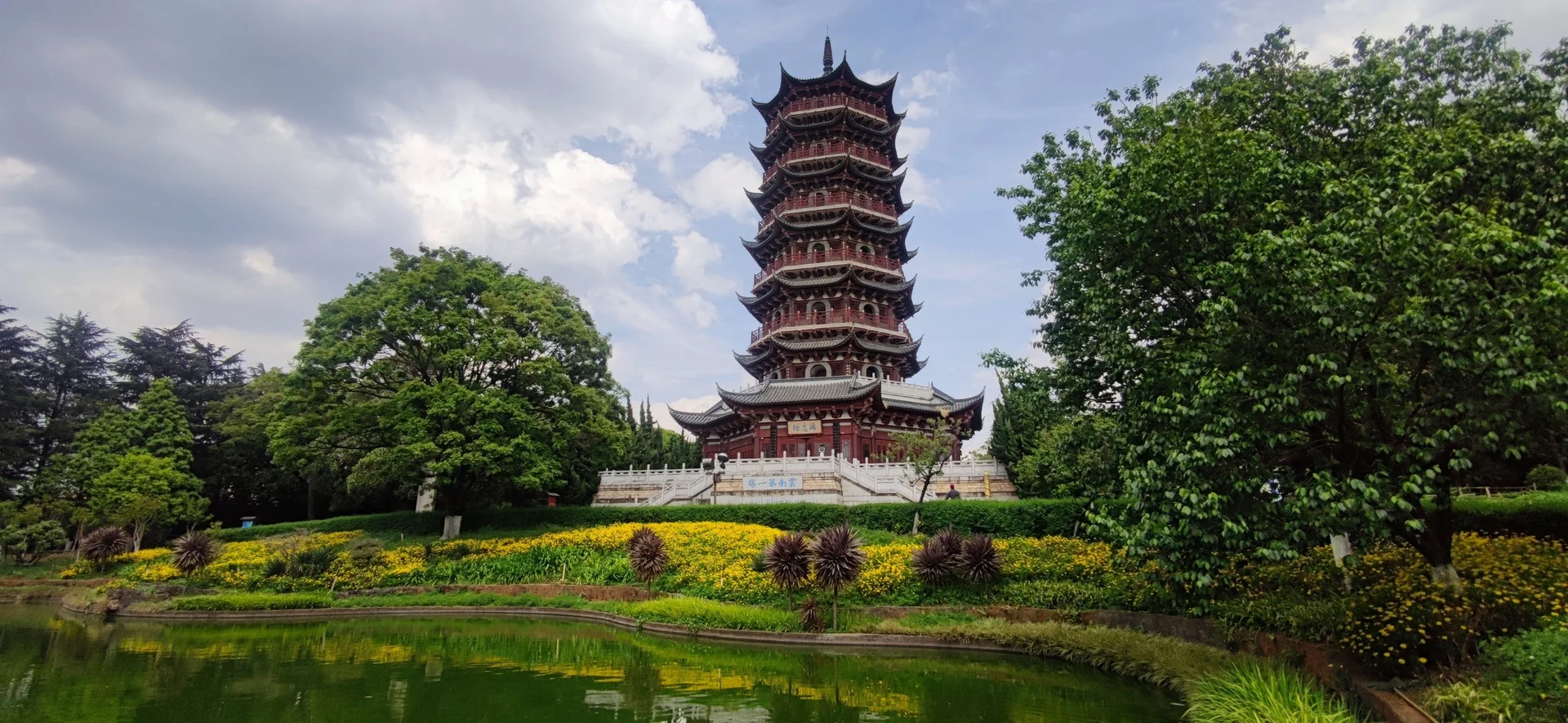
The Dali Ancient Town, with its well-preserved Bai architecture and cobblestone streets, invites endless wandering. Traditional white-walled houses with intricate paintings, the iconic Three Pagodas standing sentinel over the valley, and the laid-back atmosphere create a sense of time standing still.
But Dali is more than scenery—it's a living cultural experience. The Bai people, with their distinctive tie-dye textiles, three-course tea ceremony, and vibrant festivals, welcome visitors into their traditions. Around Erhai Lake, villages like Xizhou and Shuanglang offer authentic glimpses of local life.
For the adventurous, Cangshan Mountain provides hiking trails through alpine forests and cable cars to panoramic viewpoints. History buffs will find Shaxi Ancient Town, a perfectly preserved Tea Horse Road stop, an unforgettable journey into the past.
Whether you're cycling around Erhai at sunrise, sampling Xizhou baba from a street vendor, or simply watching clouds drift over the mountains from a lakeside cafe, Dali offers a rare combination of natural beauty, cultural depth, and slow-living charm.
Dali's history spans over a thousand years. The region was the center of the Nanzhao Kingdom (738-902) and later the Dali Kingdom (937-1253), two important regional powers in southwest China. These kingdoms developed a unique culture blending local Bai traditions with influences from Tibet, India, and central China.
During the Yuan Dynasty in 1274, Dali became an administrative center. The Ming Dynasty established the Dali Prefecture, and the ancient town's current layout dates from this period. The Three Pagodas, built in the 9th-10th centuries, have survived multiple earthquakes and remain architectural marvels.
In modern times, Dali transformed from a quiet regional town into an international tourist destination. The preservation of Bai culture and the pristine natural environment around Erhai Lake have made it one of China's most popular destinations for travelers seeking both natural beauty and cultural immersion.
Dali's economy is driven by tourism, agriculture, and light industry. As one of Yunnan's premier tourist destinations, the city welcomes millions of visitors annually drawn by Erhai Lake, ancient towns, and Bai ethnic culture.
Agriculture remains important, with the region known for premium tea, walnuts, and dairy products. Bai tie-dye textiles and silver jewelry are renowned handicrafts that support local artisans. The food processing industry, especially dairy products like rushan, has strong local roots.
Transportation improvements, including high-speed rail connections to Kunming and Lijiang, have accelerated growth. Dali's combination of natural beauty, cultural heritage, and pleasant climate continues to attract investment in tourism infrastructure and sustainable development.
Discover the culinary treasures of Dali, from traditional street food to imperial cuisine.
Dali Fengyi Airport (DLU) - 13 km from city center
Connected to major cities
Local buses connect ancient town to Erhai villages
Available throughout the city
Mar - May
Perfect weather with blooming rapeseed flowers in March-April. Ideal for cycling and outdoor activities.
Jun - Aug
Rainy season but lush green landscapes. Waterfalls at peak flow. Pack rain gear.
Sep - Nov
Clear skies, golden autumn foliage, and comfortable temperatures. Best for hiking and photography.
Dec - Feb
Mild and dry with occasional snow on Cangshan peaks. Fewer tourists and clear mountain views.
The largest Bai festival featuring horse racing, trading, singing, and dancing.
Bai people light torches and dance around bonfires to pray for good harvest.
Bring sun protection year-round due to high altitude. Pack layers for temperature changes between day and night.
Discover more cities, food guides, and travel inspiration.