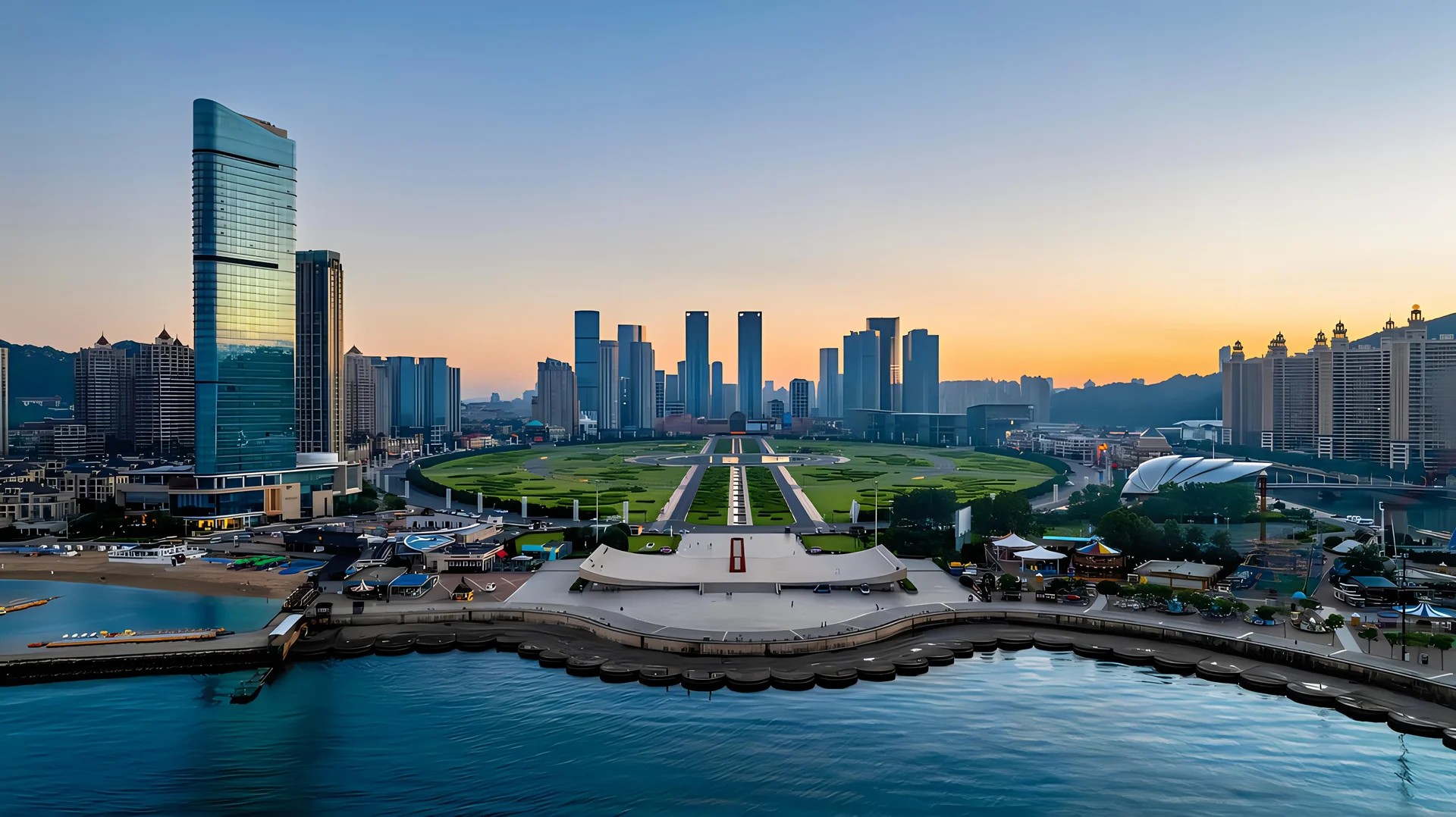
Fuxin city skyline and landmarks (阜新) - Travel China Guide

Fuxin Travel Guide

China's "Agate Capital" and a city of deep Tibetan Buddhist heritage, home to 8,000-year-old Neolithic sites, spectacular cliff carvings, and one of eastern China's largest Tibetan Buddhist temples.

About

Fuxin is a prefecture-level city in western Liaoning Province, known as China's "Agate Capital" and a city where Tibetan Buddhist culture, ancient Neolithic heritage, and Mongol traditions converge in unexpected harmony.

The city sits on the edge of the Horqin Sandy Land, where the landscape transitions from the fertile plains of central Liaoning to the rolling hills and grasslands of the Mongolian plateau. This geographical position has made Fuxin a cultural crossroads for millennia — Han Chinese farmers, Mongol herders, and Tibetan Buddhist monks have all left their mark on this land.

Fuxin's most internationally significant discovery is the Chahai Archaeological Site, an 8,000-year-old Neolithic settlement belonging to the Xinglongwa culture. The site yielded one of the earliest dragon sculptures ever found in Chinese archaeology — a 19.7-meter-long stone arrangement — and jade artifacts that predate the famous Hongshan culture. This discovery fundamentally changed our understanding of when settled agriculture and jade craftsmanship began in Northeast China.

The city's Tibetan Buddhist heritage is equally remarkable. Haitang Mountain's cliff carvings — over 300 Buddhist statues carved into granite by monks from the 17th to 18th centuries — represent one of the easternmost concentrations of Tibetan Buddhist rock art in China. Nearby Ruiying Temple, founded during the Kangxi era, was once home to over 1,000 monks and served as a major center of Buddhist learning for the Horchin Mongol region.

Fuxin's modern identity is defined by its agate industry. The city sits on one of China's largest agate deposits, and local artisans have been carving the colorful stone into intricate artworks for over a century. Fuxin agate carvings have won national awards and are exported worldwide, making the city a living center of Chinese stone art.

Beyond its cultural treasures, Fuxin offers outdoor enthusiasts Huangjiagou Ski Resort for winter sports and Wulanmutu Mountain — the city's highest peak at 832 meters — for hiking and wildflower viewing. The local cuisine reflects the region's Mongol and Manol influences, with hand-held mutton, milk tofu, and buckwheat noodles standing alongside creative dishes like the themed Agate Banquet.

History & Development

Fuxin's history stretches back to the Neolithic period. The Chahai Archaeological Site, dating to approximately 6000 BCE, reveals that this region was home to one of Northeast China's earliest settled agricultural communities. The Xinglongwa culture people who lived here built semi-subterranean houses, cultivated millet, and crafted some of China's earliest jade ornaments.

During the Liao Dynasty (907-1125), the area that is now Fuxin was part of the Khitan Empire's territory. The Khitans, a nomadic people from the region, established a powerful empire that controlled much of northern China and Mongolia. Buddhist temples began appearing in the area during this period, laying the groundwork for the region's later Tibetan Buddhist heritage.

The most significant period for Fuxin's Buddhist heritage came during the Qing Dynasty (1644-1912). The Kangxi Emperor (reigned 1662-1722) actively promoted Tibetan Buddhism among the Mongol populations of the region as a way of strengthening ties with the Mongol tribes. Ruiying Temple was founded during this period, and the cliff carvings at Haitang Mountain were created by Tibetan Buddhist monks who traveled from Mongolia and Tibet.

In the modern era, Fuxin was known primarily as a coal mining city. The discovery of rich coal deposits in the early 20th century led to rapid industrialization, and Fuxin became one of Northeast China's important energy bases. However, as coal reserves depleted in the late 20th century, the city faced significant economic challenges and began transitioning toward tourism, agate processing, and agriculture.

Today, Fuxin is reinventing itself as a cultural and tourism destination, leveraging its unique combination of archaeological significance, Tibetan Buddhist heritage, and agate craftsmanship to attract visitors from across China and beyond.

Economy & Industries

Fuxin's economy has undergone a dramatic transformation over the past two decades. Historically dependent on coal mining, the city has been actively diversifying as coal reserves have depleted.

The agate industry is now Fuxin's most distinctive economic sector. The city processes over 90% of China's raw agate and employs tens of thousands of people in mining, carving, design, and retail. Fuxin hosts an annual Agate Festival that attracts buyers and collectors from across Asia. The city's agate products range from small jewelry pieces to large sculptural installations worth hundreds of thousands of yuan.

Tourism has emerged as a major growth industry. The Chahai Archaeological Site, Haitang Mountain cliff carvings, Ruiying Temple, and Huangjiagou Ski Resort collectively draw hundreds of thousands of visitors annually. The local government has invested in tourism infrastructure, including improved roads, visitor centers, and hospitality facilities.

Agriculture remains important, particularly buckwheat cultivation, which thrives in the region's sandy soil. Fuxin buckwheat is recognized as a geographical indication product, and the city has developed a range of buckwheat-based food products for export. Dairy farming, influenced by the region's Mongol heritage, also contributes to the local economy.

The city is also investing in renewable energy, particularly wind and solar power, taking advantage of the open landscapes and strong winds of western Liaoning. Several large wind farms have been built in the area, positioning Fuxin as a clean energy hub for the region.

Top Attractions

⛩️ Temple

Haitang Mountain Cliff Carvings

Haitang Mountain is home to one of China's most remarkable collections of Tibetan Buddhist cliff carvings. Over 300 Buddhist statues, mantras, and religious symbols have been carved directly into the granite cliffsides dating from the late Ming to early Qing dynasties (17th-18th centuries). These carvings were created by Tibetan Buddhist monks who traveled from Mongolia and Tibet to this sacred mountain. The statues vary in size from a few centimeters to several meters tall, depicting Buddhas, bodhisattvas, guardian deities, and arhats in exquisite detail. The mountain setting adds to the spiritual atmosphere, with ancient pine trees framing the cliff faces. The site represents a unique fusion of Tibetan Buddhist art with the natural granite landscape of Northeast China and is considered one of the most important Tibetan Buddhist heritage sites east of the traditional Tibetan regions.
★★★★ 4.7
🕐 08:00-17:00
🎫 40 yuan
⛩️ Temple

Ruiying Temple

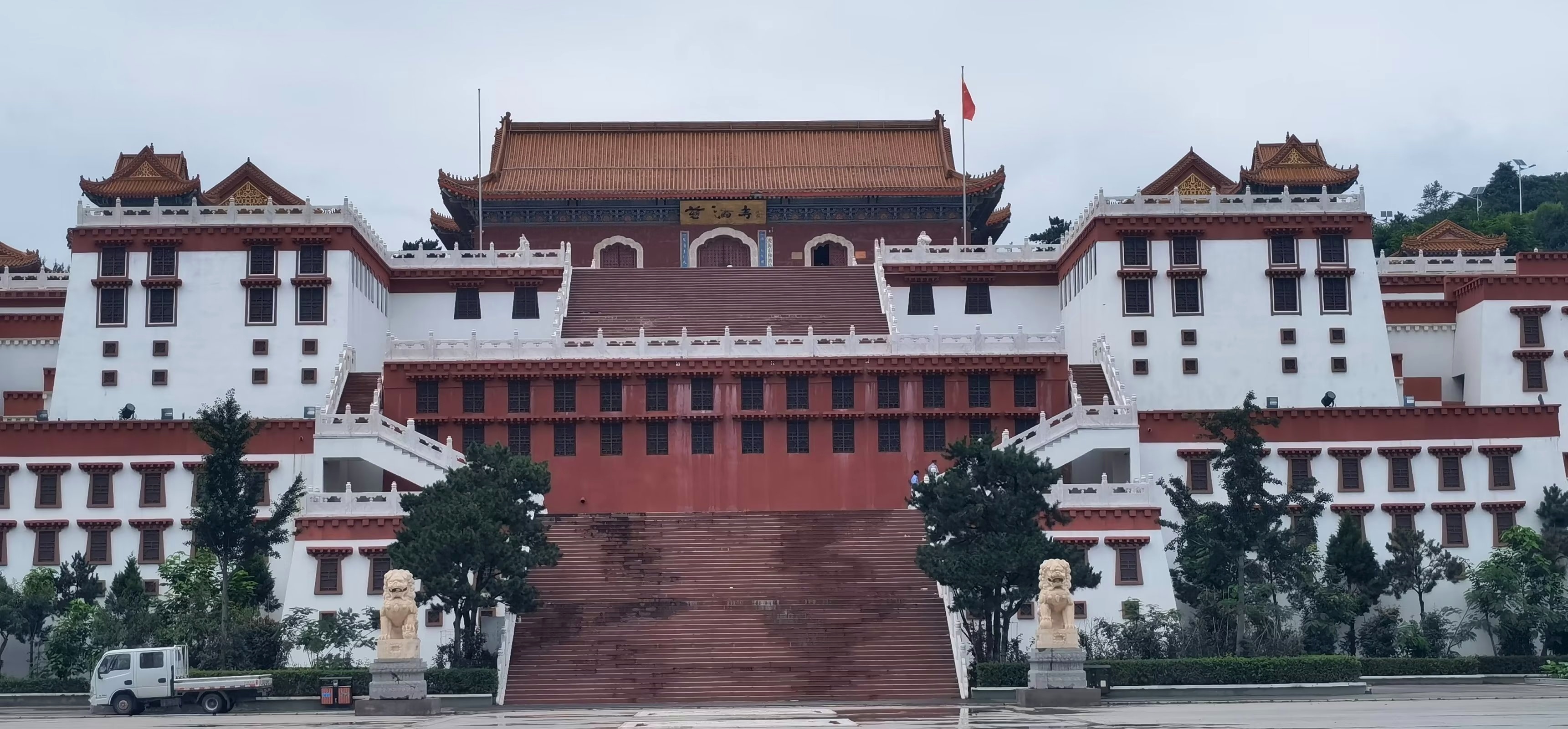
Ruiying Temple is one of the largest and most important Tibetan Buddhist monastery complexes in eastern China. Founded during the Kangxi era of the Qing Dynasty (1662-1722), the temple was once home to over 1,000 resident monks and served as a major center of Tibetan Buddhist learning in the region. The complex features traditional Tibetan-style architecture with golden roofs, prayer wheels, and ornate murals depicting Buddhist cosmology and the life of Sakyamuni Buddha. The main hall houses a large gilded statue of Sakyamuni, flanked by statues of Tsongkhapa and other important figures in the Gelugpa tradition. The temple grounds also include a stupa forest with dozens of chortens (Tib Buddhist stupas) housing the relics of past abbots. During its peak, Ruiying Temple was one of the "Six Great Temples" of the Horchin Mongol region and played a crucial role in spreading Tibetan Buddhism among the Mongol populations of Liaoning and Inner Mongolia.

★★★★ 4.6
🕐 08:00-17:00
🎫 30 yuan
🎭 Museum

Chahai Archaeological Site

The Chahai Archaeological Site is one of the most significant Neolithic discoveries in Northeast China, dating back approximately 8,000 years. Discovered in 1982, the site reveals a settled agricultural community from the Xinglongwa culture, one of the earliest farming civilizations in the region. Excavations have uncovered semi-subterranean house foundations, storage pits, pottery fragments, jade artifacts, and stone tools. Most remarkably, the site yielded a 19.7-meter-long stone dragon sculpture — one of the earliest dragon representations in Chinese archaeology — and jade ornaments that predate the famous Hongshan culture jades. The discovery pushed back the known history of settled agriculture and jade craftsmanship in Northeast China by thousands of years. An on-site museum displays the excavated artifacts and reconstructs the ancient village layout, offering visitors a rare window into the lives of some of China's earliest farming communities.

★★★★ 4.5
🕐 09:00-16:30 (Closed Mondays)
🎫 20 yuan
🛍️ Market

Fuxin Agate Carving Workshop

Fuxin is officially recognized as China's "Agate Capital," and the city's agate carving tradition dates back over a century. The Fuxin Agate Carving Workshop is where visitors can witness master artisans transforming raw agate stones into intricate works of art. The region sits on one of China's largest agate deposits, and local craftsmen have developed unique techniques for carving, polishing, and utilizing the natural color bands within the stone. The workshop produces everything from small jewelry pieces to large sculptural installations, with designs ranging from traditional Chinese motifs (dragons, phoenixes, landscapes) to contemporary artistic expressions. Visitors can watch the entire process — from selecting raw stones based on their internal color patterns to the final polishing — and purchase directly from the artisans. Fuxin agate carvings have won numerous national awards and are considered among the finest stone carvings in China.

★★★★ 4.4
🕐 08:30-17:00
🎫 Free (purchases available)
🏔️ Nature

Huangjiagou Ski Resort

Huangjiagou Ski Resort is one of Liaoning Province's premier winter sports destinations, located in the scenic hills northwest of Fuxin city. The resort features multiple ski runs ranging from beginner-friendly gentle slopes to challenging black-diamond trails, serviced by chairlifts and magic carpets. In addition to alpine skiing, the resort offers snowboarding, snow tubing, and ice skating facilities. The surrounding landscape of snow-covered hills and pine forests creates a picturesque winter wonderland. During the summer months, the area transforms into a hiking and mountain biking destination, with trails winding through the forested valleys. The resort has become increasingly popular among visitors from Shenyang, Beijing, and other Northeast Chinese cities seeking quality winter sports without traveling to the far north.

★★★★ 4.3
🕐 08:30-16:30 (Winter season: December-March)
🎫 120-280 yuan depending on season and facilities
🏔️ Nature

Wulanmutu Mountain

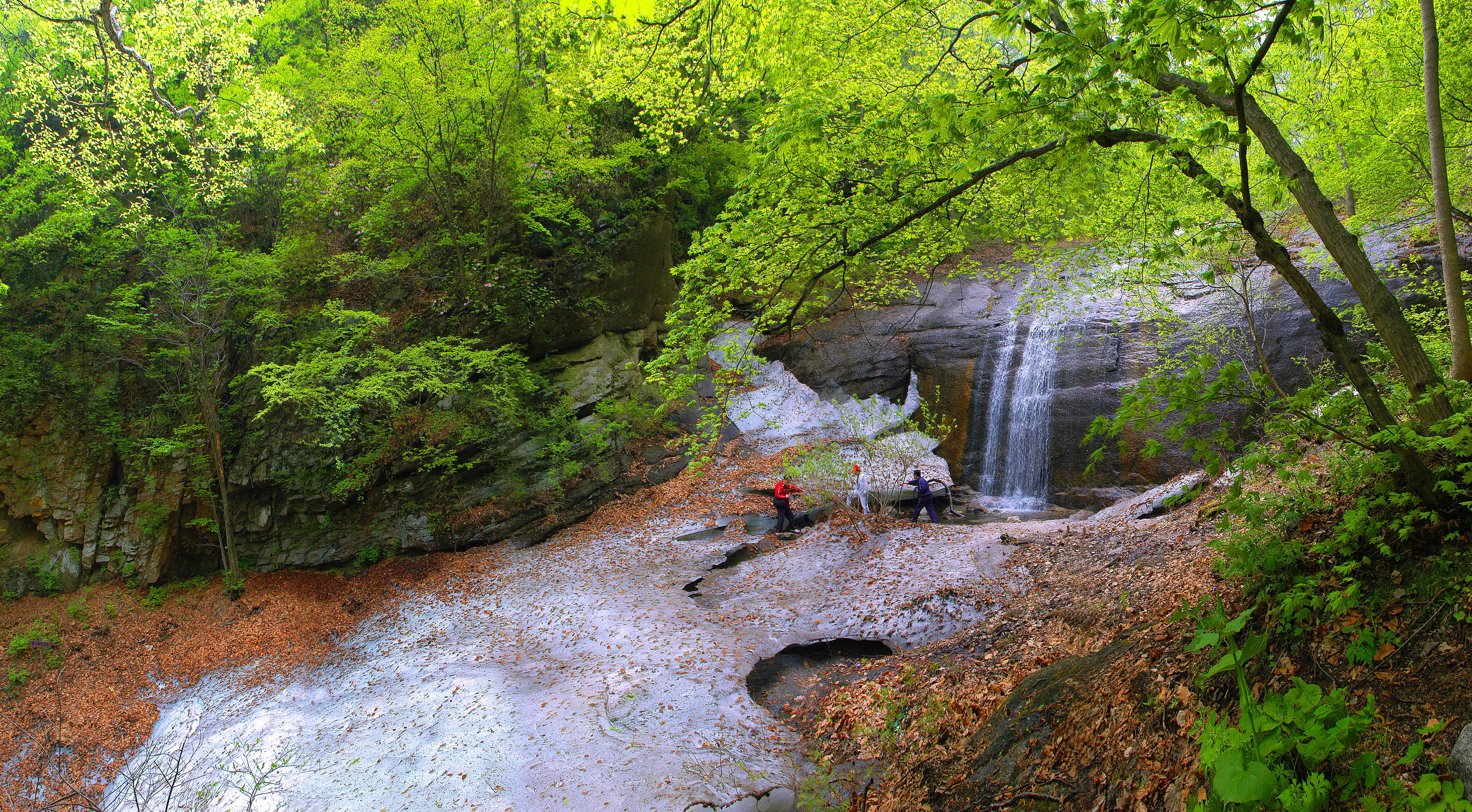
Wulanmutu Mountain, whose name derives from the Mongolian word meaning "red mountain," is the highest peak in Fuxin at 832 meters above sea level. The mountain is covered in dense mixed forest of pine, oak, and birch, creating a lush green canopy in summer and spectacular autumn colors. The summit offers panoramic views of the surrounding countryside, including the rolling hills of western Liaoning and, on clear days, the distant silhouette of the Yiwulü Mountain range. The mountain holds cultural significance for the local Mongol community, who have inhabited this region for centuries. Scattered across the mountainside are ancient stone markers and prayer sites. Hiking trails of varying difficulty lead to the summit, and the mountain is a popular destination for local hikers and nature photographers. In spring, the slopes are carpeted with wild azaleas, making it one of the best wildflower viewing spots in the region.

★★★★ 4.4
🕐 Open 24 hours
🎫 Free

Food & Culture

Discover the culinary treasures of Fuxin, from traditional street food to imperial cuisine.

Things to Do

🏛️

Explore Haitang Mountain Cliff Carvings

Discover over 300 Tibetan Buddhist statues carved into granite cliffs, a unique fusion of Tibetan Buddhist art and Northeast China's natural landscape.

🏛️

Visit Ruiying Temple

Explore one of eastern China's largest Tibetan Buddhist monastery complexes with golden roofs, prayer wheels, and ancient stupas.

Step Back 8,000 Years at Chahai Site

Visit one of Northeast China's oldest Neolithic settlements and see the earliest dragon sculpture found in Chinese archaeology.

Watch Agate Carving Masters at Work

Witness artisans transform raw agate stones into intricate works of art at China's Agate Capital.

Ski at Huangjiagou

Hit the slopes at one of Liaoning's best ski resorts, with runs for all skill levels.

Hike Wulanmutu Mountain

Summit Fuxin's highest peak for panoramic views and wildflower-covered slopes in spring.

Suggested Itineraries

Fuxin One-Day Highlights

A full day in Fuxin combining its ancient archaeological heritage, Tibetan Buddhist treasures, and the city's famous agate carving tradition.

  • Morning: Chahai Archaeological Site — explore the 8,000-year-old Neolithic settlement and museum (2 hours)
  • Midday: Fuxin buckwheat noodles lunch at a local restaurant
  • Afternoon: Haitang Mountain Cliff Carvings + Ruiying Temple (3 hours)
  • Late afternoon: Fuxin Agate Carving Workshop — watch artisans at work and shop for souvenirs
  • Evening: Fuxin smoked meat dinner at a local specialty restaurant

Culture & Nature Explorer (2 Days)

An in-depth exploration of Fuxin's archaeological wonders, Tibetan Buddhist heritage, natural landscapes, and artisan crafts.

  • Day 1: Morning at Chahai Archaeological Site + afternoon at Haitang Mountain Cliff Carvings and Ruiying Temple
  • Day 2: Morning hike up Wulanmutu Mountain + afternoon at Fuxin Agate Carving Workshop
  • Evening: Try the Fuxin Agate Banquet and hand-held mutton at local restaurants

Fuxin Complete Experience (3 Days)

The complete Fuxin experience — from 8,000-year-old archaeology to Tibetan Buddhist spirituality, from agate artistry to outdoor adventure.

  • Day 1: Chahai Archaeological Site + Fuxin Agate Carving Workshop + Lama Cake tasting
  • Day 2: Full day at Haitang Mountain and Ruiying Temple — explore the cliff carvings, temple complex, and stupa forest
  • Day 3: Morning hike at Wulanmutu Mountain + afternoon at Huangjiagou Ski Resort (winter) or hiking trails (summer)
  • Throughout: Sample local specialties — buckwheat noodles, smoked meat, hand-held mutton, milk tofu, and the Agate Banquet

Getting Around

✈️

Airport

Fuxin does not have a commercial airport. The nearest airports are Shenyang Taoxian International Airport (about 180km east) and Chaoyang Airport (about 100km northwest). Both offer domestic flights to major Chinese cities.

🚄

High-Speed Rail

Fuxin is served by the Xinlitun Railway and has rail connections to Shenyang (about 2 hours by conventional train). High-speed rail access is available via the nearby city of Chaoyang on the Beijing-Shenyang High-Speed Railway.

🚌

Bus Network

City buses cover the urban area and connect to major attractions. Long-distance buses link Fuxin to Shenyang, Chaoyang, and other cities in Liaoning.

🚕

Taxi & Rideshare

Available throughout the city

Best Time to Visit

🌸

Spring

Apr - May

★★★★☆

Mild temperatures (8-20°C) with wild azaleas blooming on Wulanmutu Mountain. Pleasant weather for hiking and outdoor exploration. Spring winds can be strong.

  • Wildflower season
  • Mild weather
  • Fewer tourists
☀️

Summer

Jun - Aug

★★★★☆

Warm to hot (20-30°C) with occasional rain. Lush green landscapes. Good season for visiting temples and archaeological sites. Peak tourist season.

  • Lush scenery
  • All attractions open
  • Long daylight hours
🍂

Autumn

Sep - Oct

★★★★★

Cool and crisp (5-22°C) with spectacular autumn foliage. The best season for photography and hiking. Clear skies offer excellent views from Wulanmutu Mountain summit.

  • Fall foliage
  • Perfect hiking weather
  • Crystal clear skies
❄️

Winter

Nov - Mar

★★★☆☆

Cold and dry (-15 to 0°C) with occasional snow. Huangjiagou Ski Resort operates December through March. Snow-covered landscapes create beautiful scenery. Fewer tourists.

  • Ski season
  • Snow scenery
  • Agate workshops indoors

Continue Exploring China

Discover more cities, food guides, and travel inspiration.