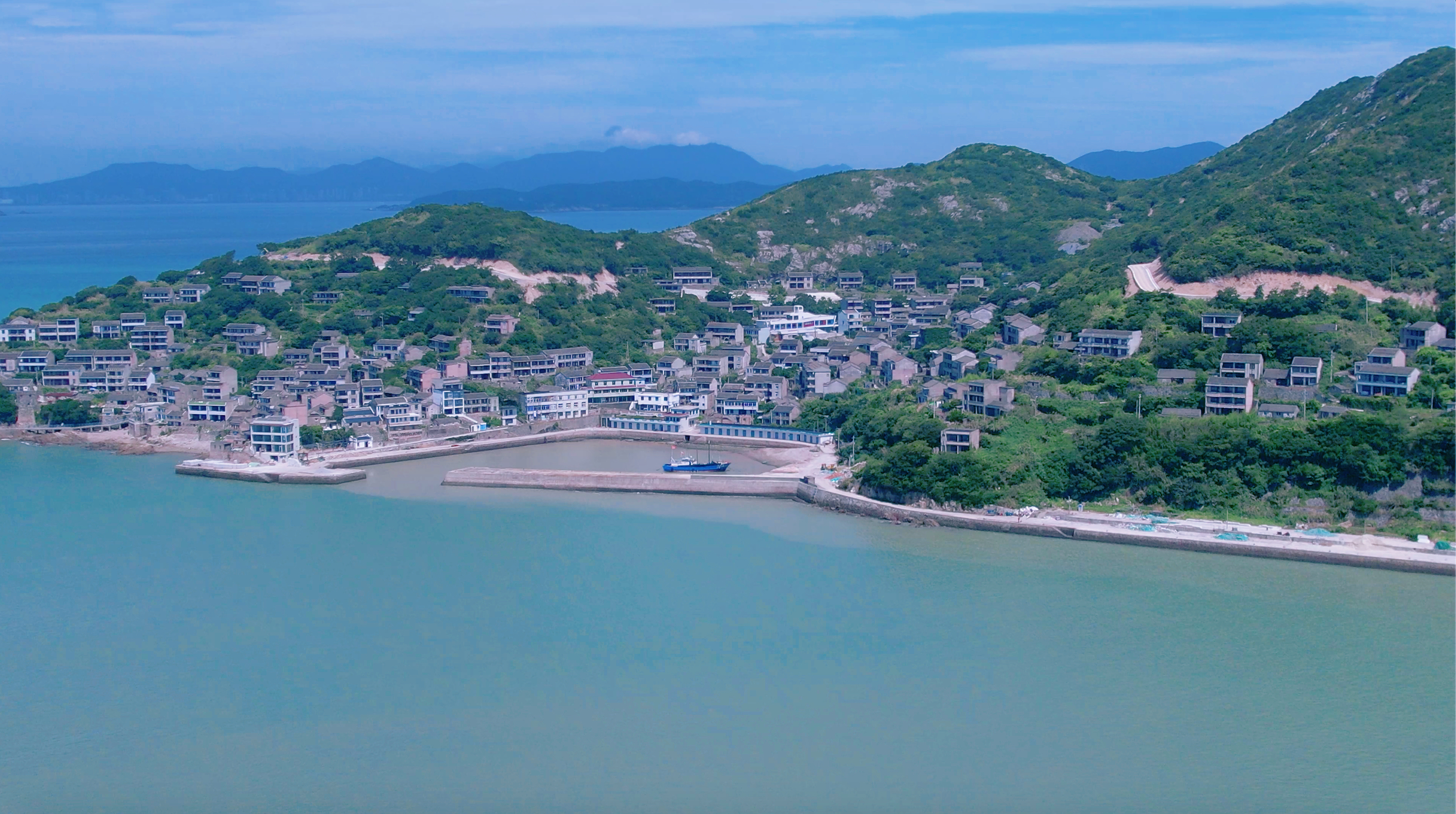
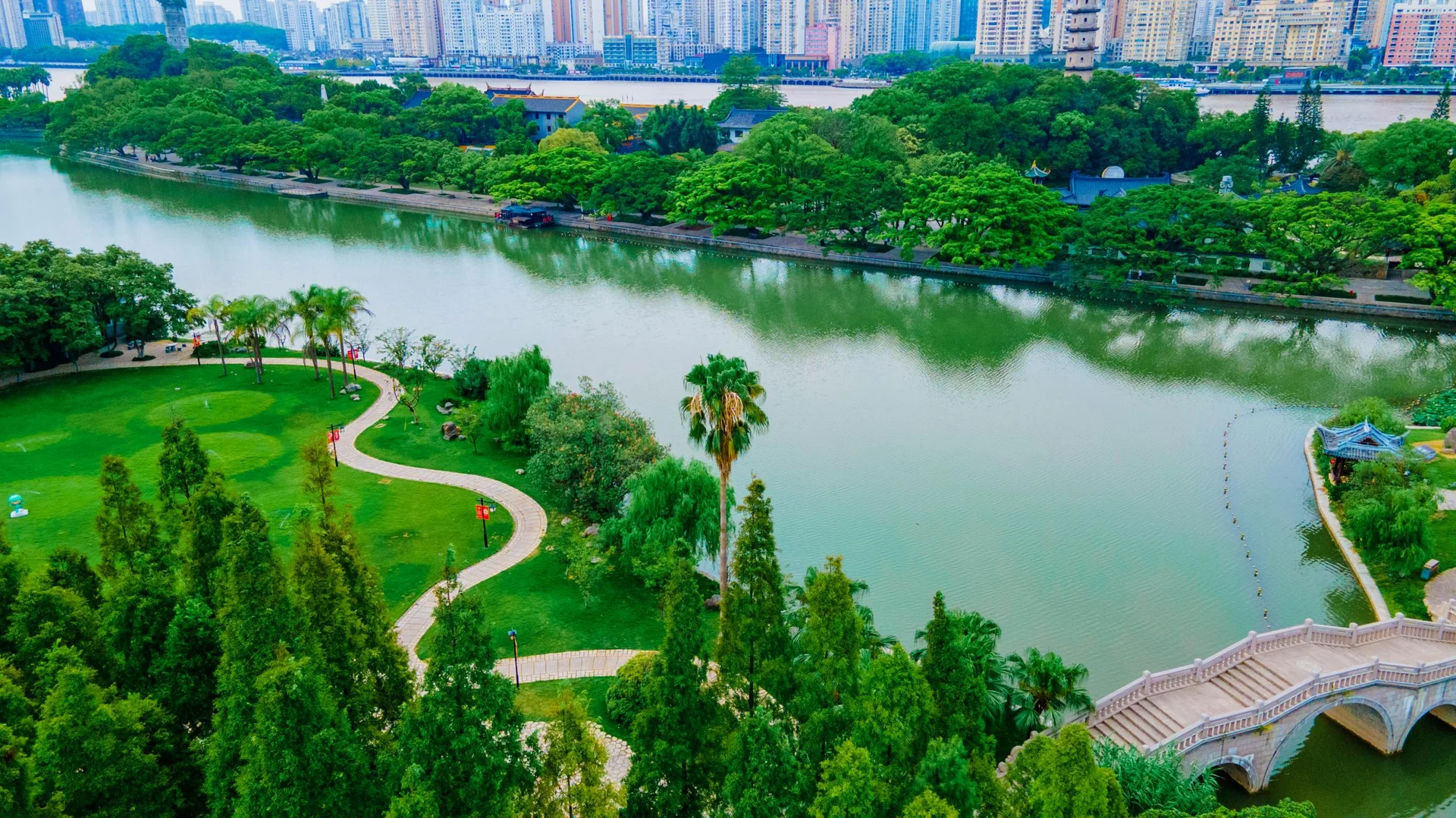
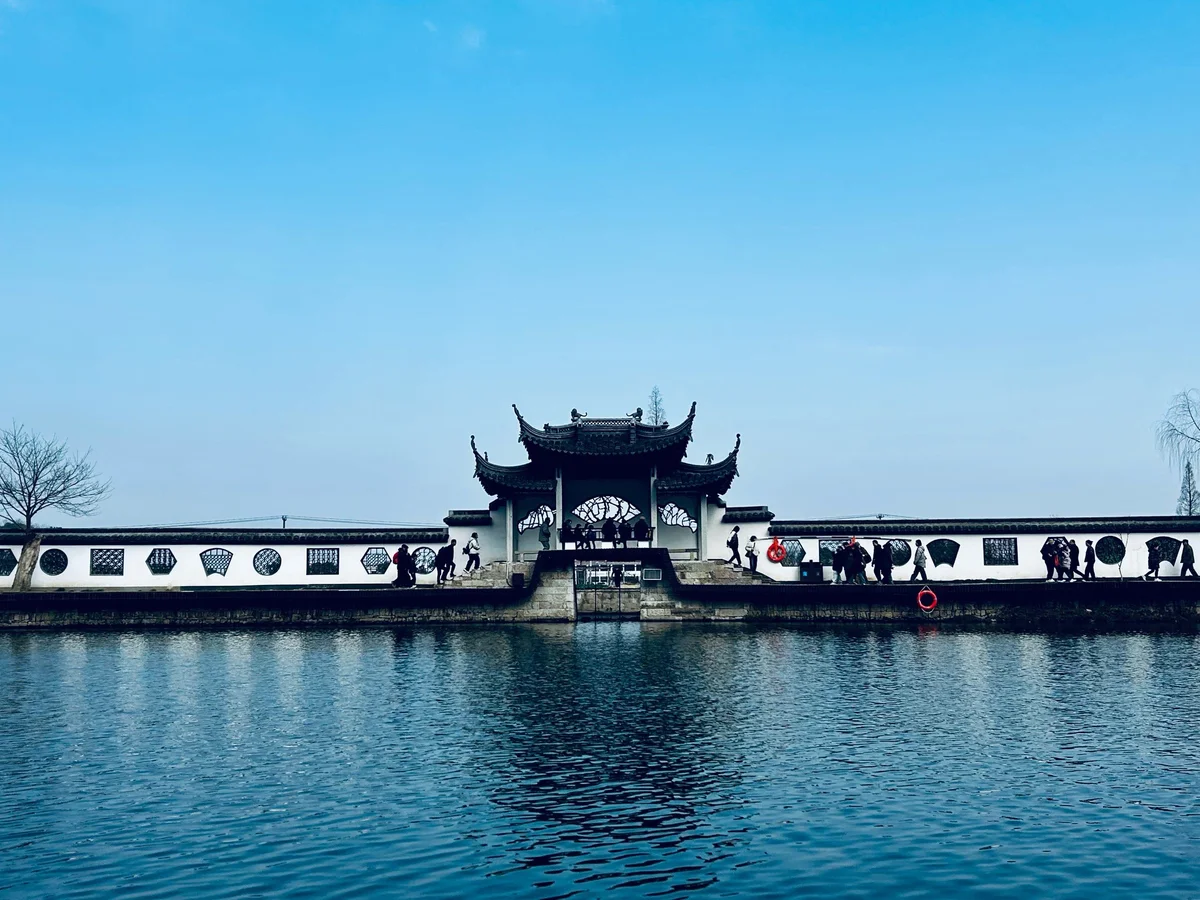
South Lake
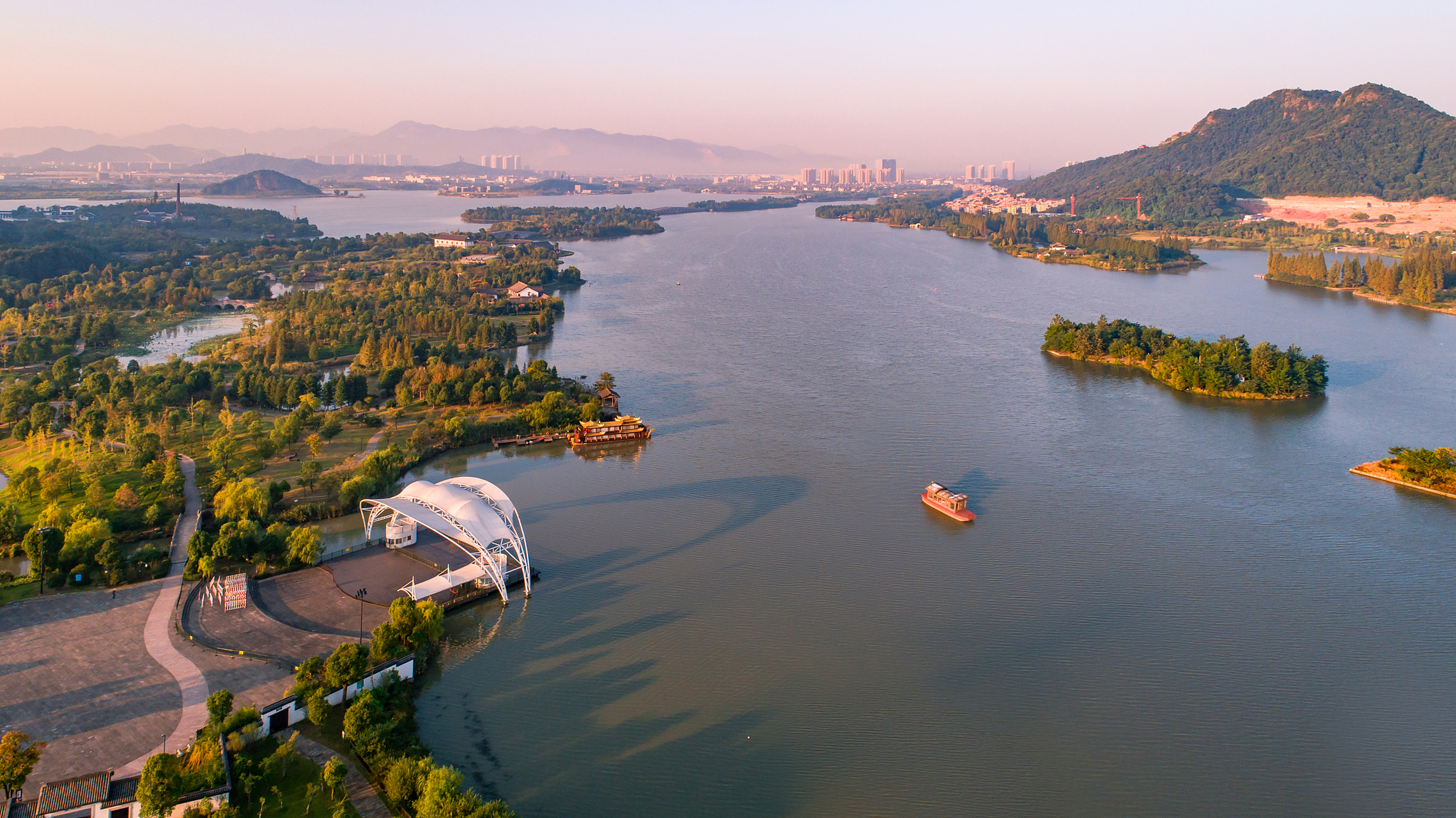
A scenic lake of great historical significance, where an important meeting took place in 1921 that shaped modern Chinese history. The lake features the iconic Yanyu Pavilion on an island, a classic example of Jiangnan garden architecture.
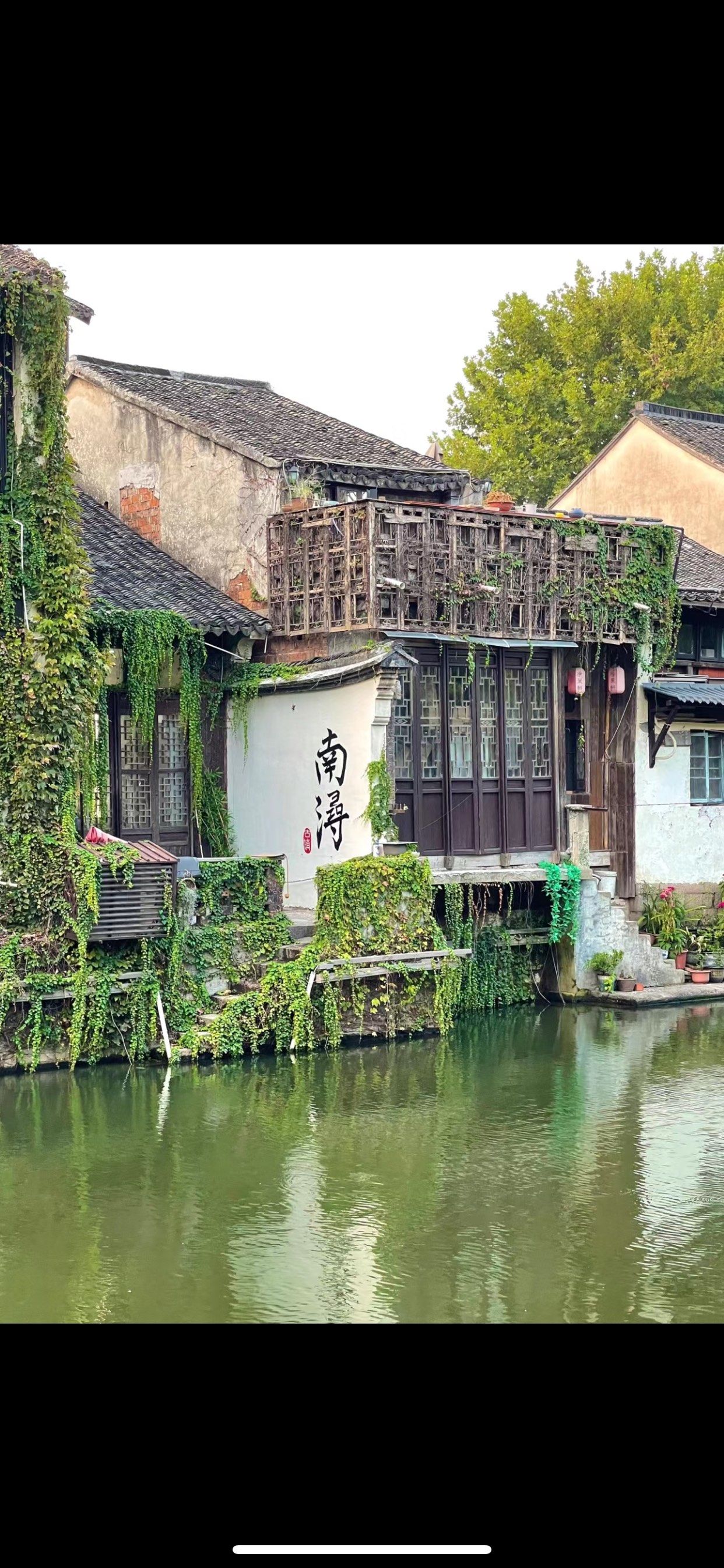
A historic water town in the Yangtze River Delta, famous for its ancient towns Wuzhen and Xitang, South Lake scenic area, and the legendary Jiaxing zongzi.
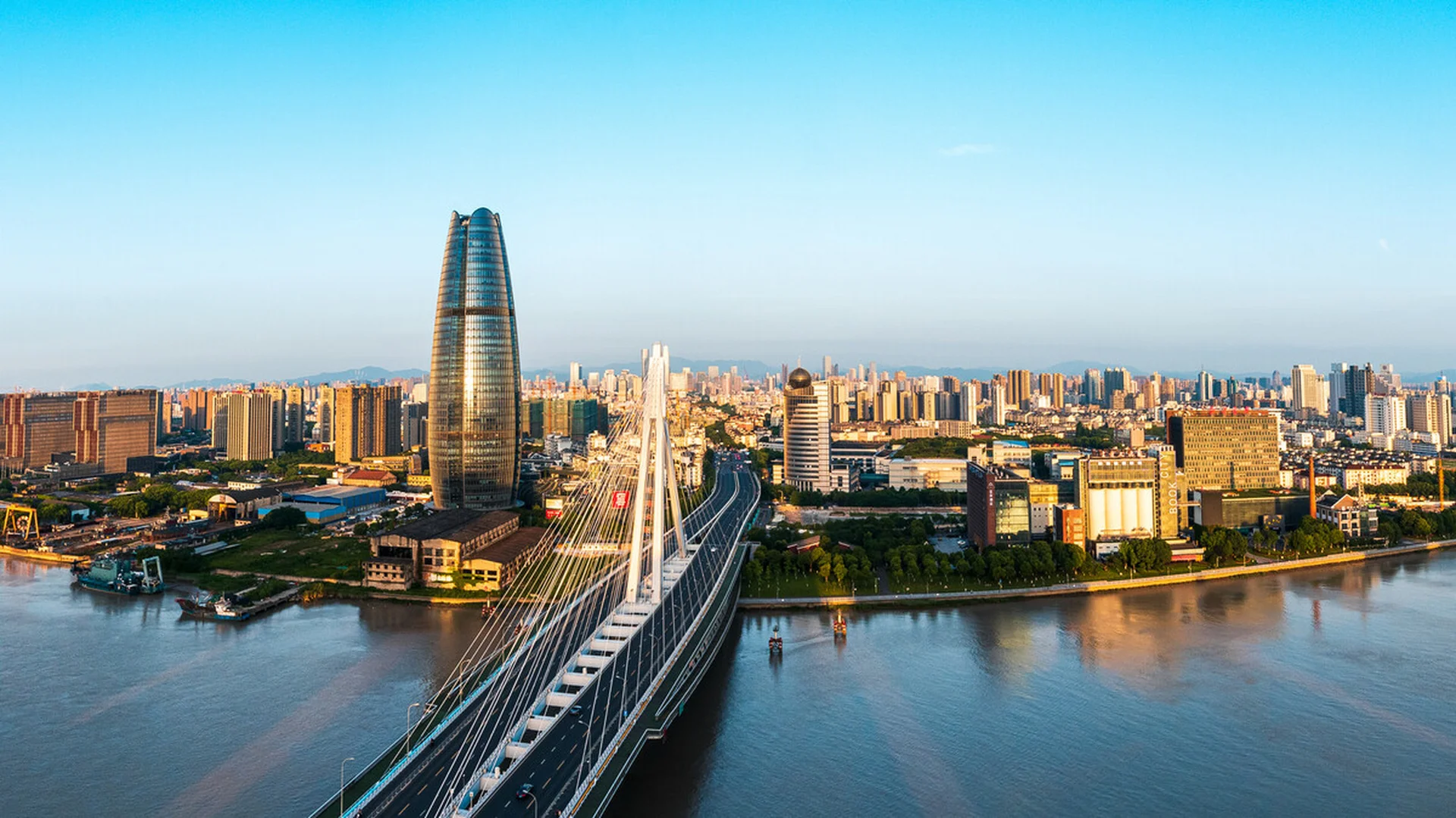
Jiaxing is a historic water town city in the heart of the Yangtze River Delta, with over 7,000 years of human habitation dating back to the Majiabang culture. The city covers 4,275 square kilometers and has a population of 5.4 million, serving as an important economic and cultural center in Zhejiang Province.
The city holds profound historical significance. In 1921, a historic meeting took place on a boat on South Lake that would shape modern Chinese history. This event has made Jiaxing an important site for those interested in understanding China's modern development.
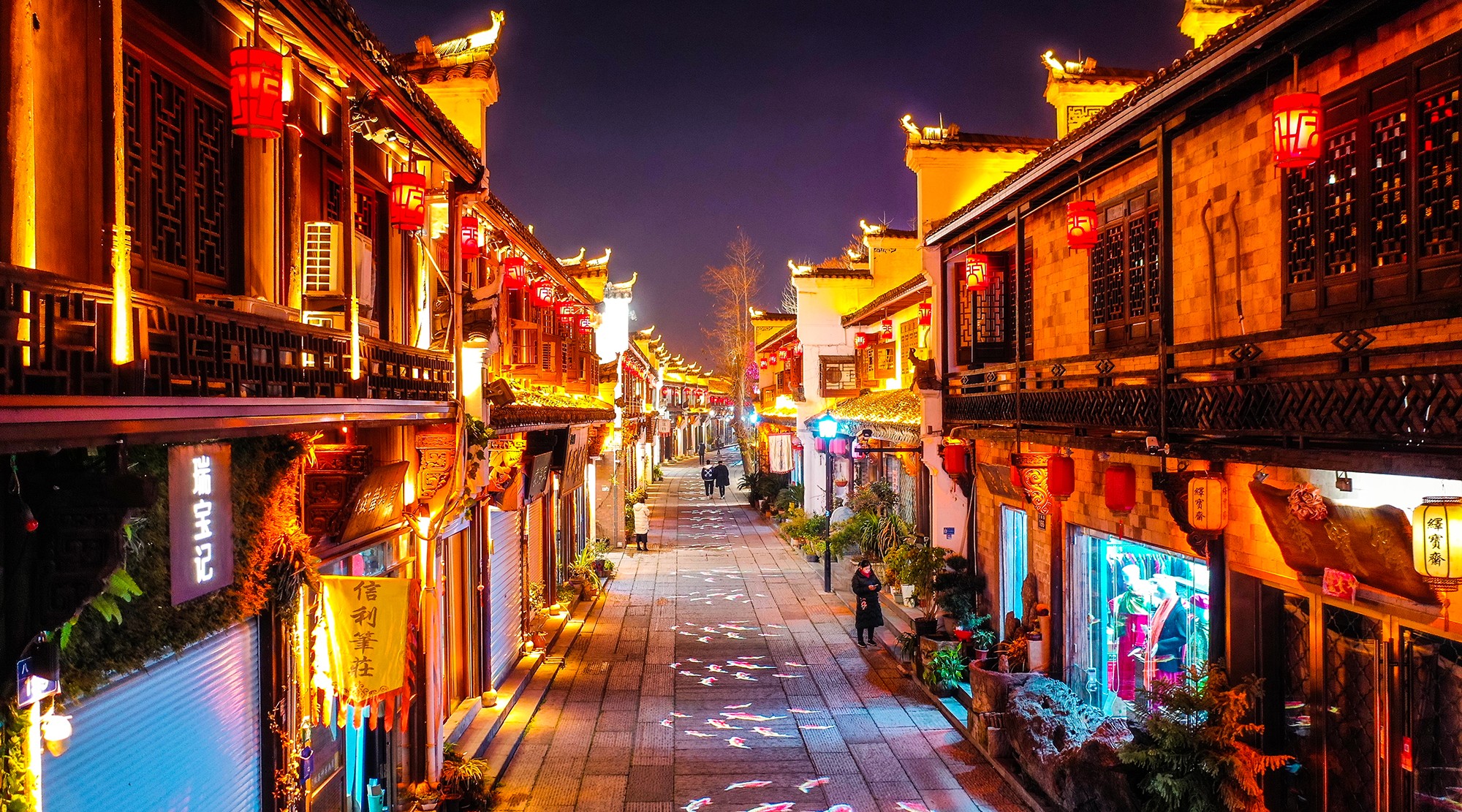
Jiaxing is world-renowned for its perfectly preserved ancient water towns. Wuzhen and Xitang are among China's most beautiful and well-maintained historic towns, featuring networks of canals, stone bridges, and traditional architecture that have remained largely unchanged for centuries. Wuzhen also serves as the permanent venue for the World Internet Conference, blending ancient charm with modern innovation.
The city is equally famous for its culinary heritage. Jiaxing zongzi (glutinous rice dumplings) are considered the finest in China, with the century-old Wufangzhai brand being particularly celebrated. The city's location in the fertile Yangtze Delta has earned it the nickname "Land of Fish and Rice," ensuring abundant fresh ingredients for its distinctive cuisine.
Jiaxing's history spans over 7,000 years, beginning with the Majiabang culture, one of China's earliest Neolithic civilizations. Archaeological discoveries have revealed sophisticated rice cultivation, pottery, and jade artifacts from this ancient society.
During the Spring and Autumn Period (770-476 BCE), Jiaxing was part of the powerful Wu and Yue kingdoms. The city's strategic location made it an important center for trade and military operations. The famous Battle of Jiaxing between Wu and Yue took place here.
The Sui Dynasty (581-618) saw the construction of the Grand Canal, which passed through Jiaxing and transformed it into a major commercial hub. The canal brought prosperity and connected Jiaxing to Beijing in the north and Hangzhou in the south.
The Tang and Song dynasties marked Jiaxing's golden age as a center of silk production and trade. The city became known as the "Silk Capital of the South," with high-quality silk products exported throughout China and abroad. Scholars and poets flocked to Jiaxing, leaving behind countless literary works celebrating its beauty.
In 1921, Jiaxing entered modern history when an important political meeting moved to a boat on South Lake after being disrupted in Shanghai. This meeting, held on what became known as a historically significant vessel, marked a turning point in China's modern development and made Jiaxing an important site of national heritage.
Today, Jiaxing continues to honor its rich heritage while embracing modernization, particularly in textile manufacturing and digital economy sectors.
Jiaxing's economy is built on textile manufacturing, modern services, and growing digital industries. In 2025, the city's GDP reached 674 billion yuan. The city is known as China's wool sweater capital, with Puyuan town producing millions of sweaters annually.
Textile and garment manufacturing remains the traditional pillar industry. Jiaxing produces high-quality silk, wool products, and leather goods. The city is home to thousands of textile factories supplying both domestic and international markets.
The digital economy has emerged as a new growth driver. Wuzhen's role as the permanent venue for the World Internet Conference has attracted tech companies and startups to the region. E-commerce and internet services are rapidly developing.
Traditional industries include rice cultivation, aquaculture, and food processing. Jiaxing zongzi production has become a major industry, with brands like Wufangzhai achieving national recognition. The city's location in the fertile Yangtze Delta ensures abundant agricultural output.
Tourism contributes significantly to the economy, with millions of visitors annually attracted by the ancient water towns and historical heritage sites. The hospitality industry has developed rapidly to accommodate international and domestic tourists.
Discover the culinary treasures of Jiaxing, from traditional street food to imperial cuisine.
Explore two of China's most beautiful water towns in one trip.
Learn about local history and enjoy Jiaxing culture.
Shanghai Hongqiao Airport (50km), Hangzhou Xiaoshan Airport (80km)
Connected to Shanghai (30 min), Hangzhou (20 min), and major cities
Planned connection to Shanghai metro system
Extensive network covering urban and rural areas
Available throughout the city
Spring (April-May) and Autumn (September-October) offer the best weather for most destinations in China.
Discover more cities, food guides, and travel inspiration.