Xibaipo Memorial
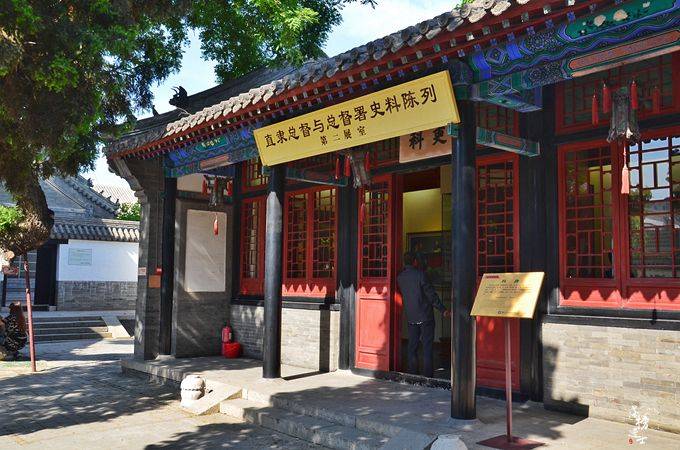
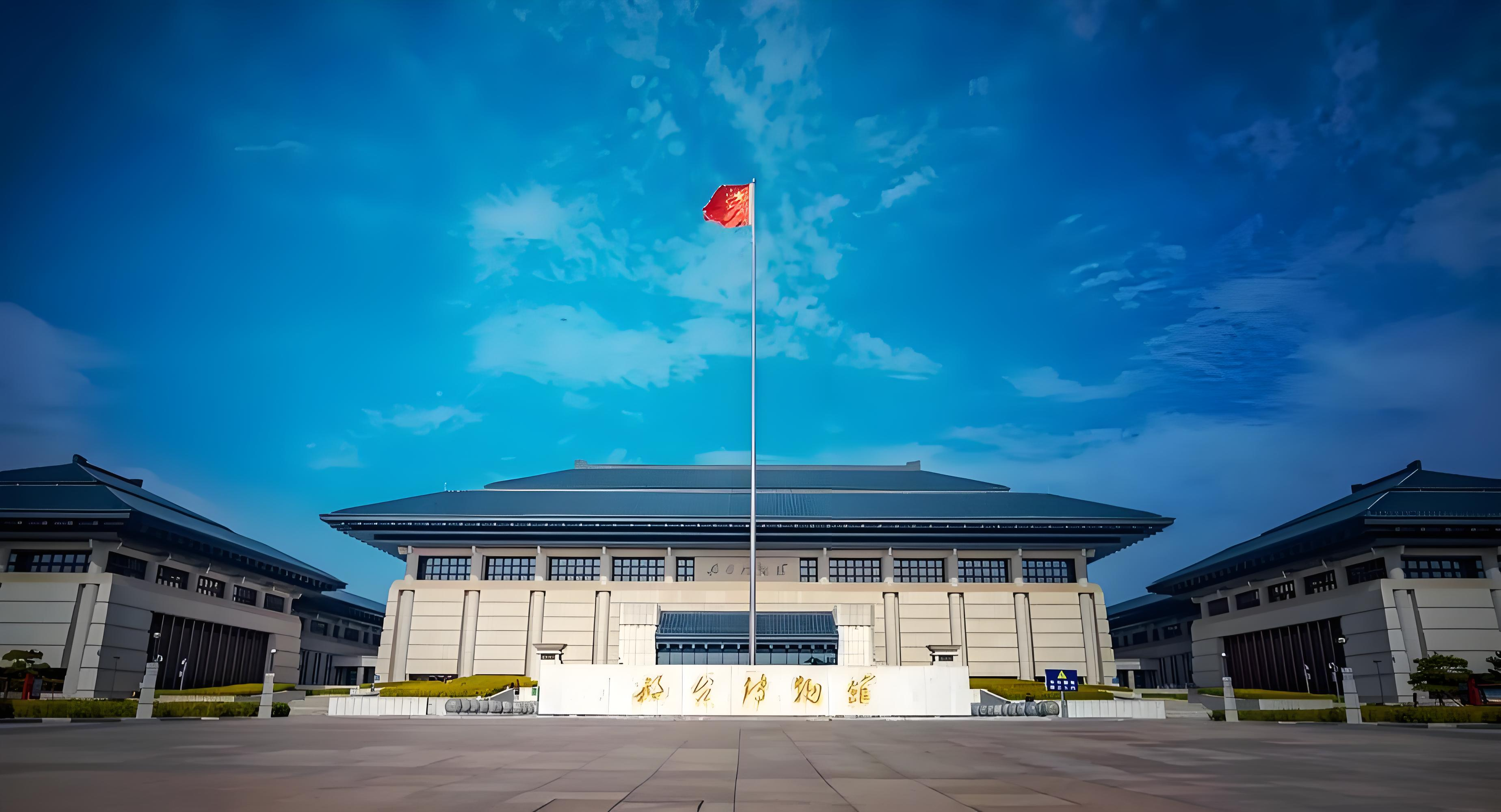
One of China's most important historical sites, serving as headquarters for the leadership during a pivotal period in the mid-20th century. Features restored village buildings, memorial halls, and detailed exhibitions.
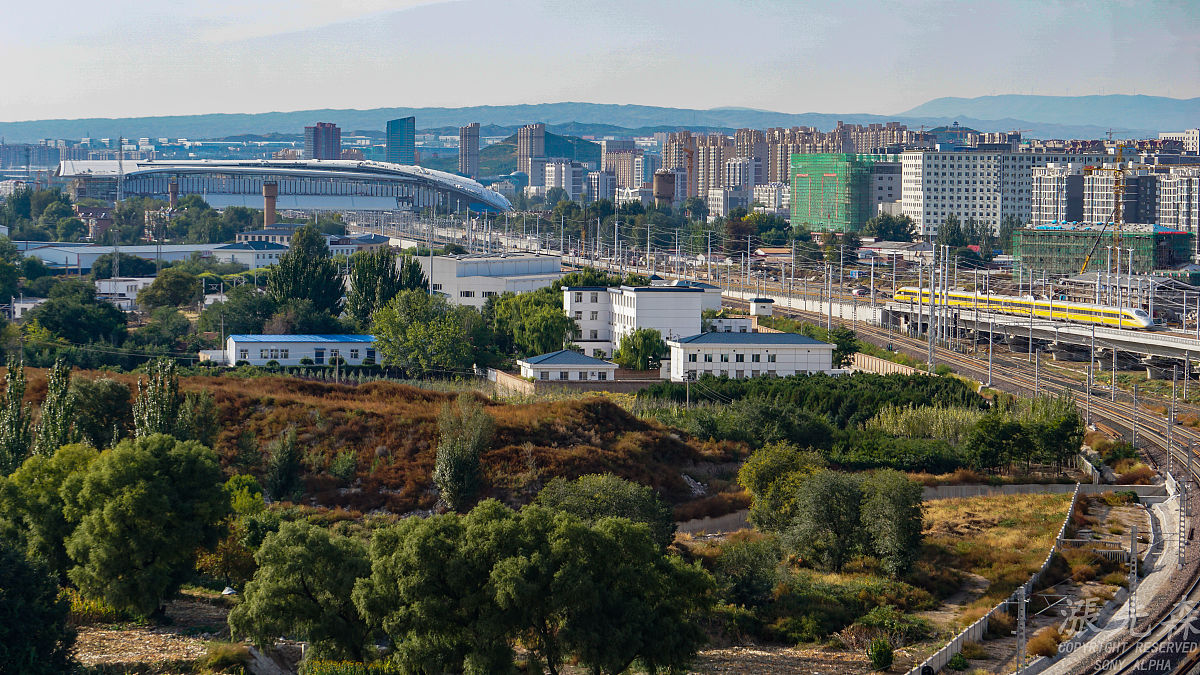
Hebei's young capital, born from railways — a modern industrial hub and gateway to the historic site of Xibaipo.
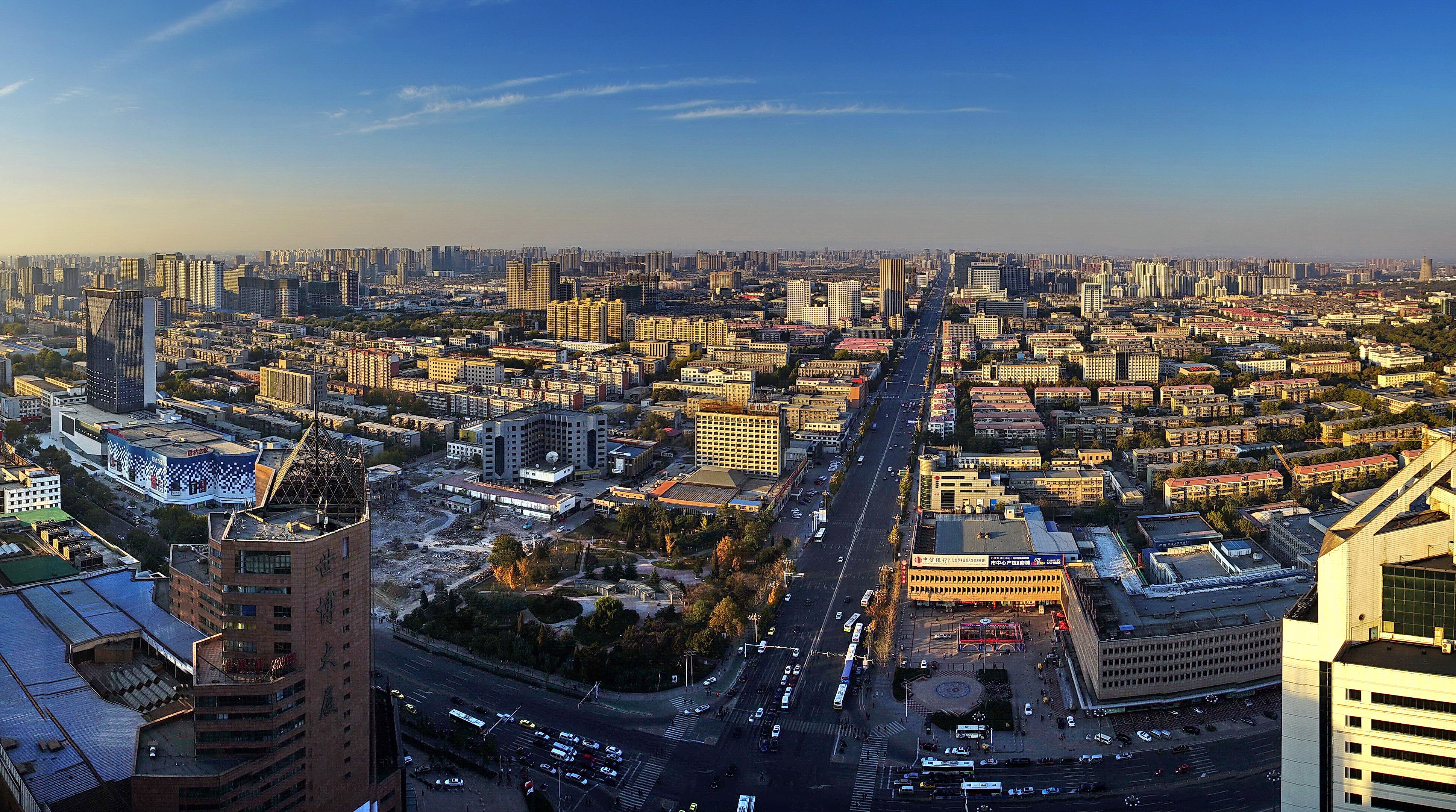
Shijiazhuang is one of China's youngest provincial capitals, yet it sits at the crossroads of ancient and modern China. Known as the "Pharmaceutical Capital" and a major railway hub, this city of over 11 million people offers visitors a unique blend of ancient engineering marvels, historical heritage, and vibrant local culture.
Just a short drive from the city center lies Zhengding, a national-level historic city with over 1,600 years of history. Here you'll find the magnificent Longxing Temple with its ancient wooden architecture and the iconic Zhaozhou Bridge, the world's oldest open-spandrel stone arch bridge built during the Sui Dynasty.
The nearby Xibaipo area preserves the historical headquarters of the CPC Central Committee from the late 1940s, a site of great significance in modern Chinese history.
Shijiazhuang's culinary scene is a hidden gem. From the crispy Ganglu Shaobing baked in clay ovens to the savory Donkey Meat Huoshao and the delicate Gaocheng Imperial Noodles, the city's food reflects the hearty flavors of Hebei province.
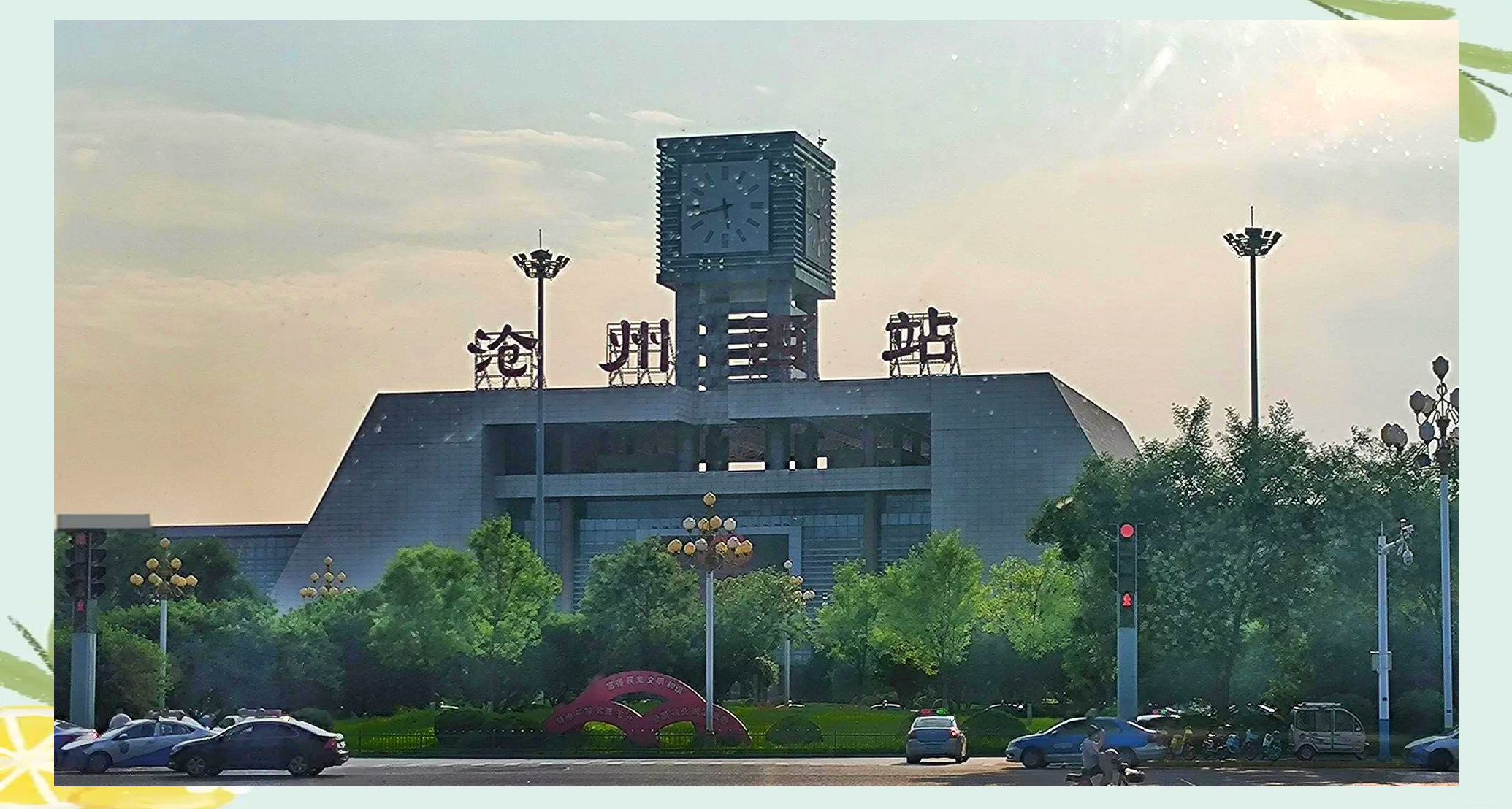
Shijiazhuang's history as a major city began in the early 20th century with the arrival of the railway. What was once a small village grew into a important railway junction connecting Beijing, Taiyuan, and the broader region.
In 1968, Shijiazhuang replaced Baoding as the capital of Hebei province, making it one of China's newest provincial capitals. The city has since grown rapidly into a major industrial and pharmaceutical center.
The surrounding area has deeper historical roots. Zhengding County dates back over 1,600 years and served as a regional cultural center, while Zhaozhou Bridge has stood for 1,400 years as a testament to ancient Chinese engineering.
Shijiazhuang has a GDP of 755 billion yuan. It is known as China "Pharmaceutical Capital," producing a significant portion of the country medicines. Other key industries include textiles, chemicals, equipment manufacturing, and logistics. The city advantage as a railway hub makes it an important distribution center for northern China.
Discover the culinary treasures of Shijiazhuang, from traditional street food to imperial cuisine.
Explore ancient temples, bridges, and museums spanning 1,400 years of history.
Combine mountain scenery with culinary discoveries.
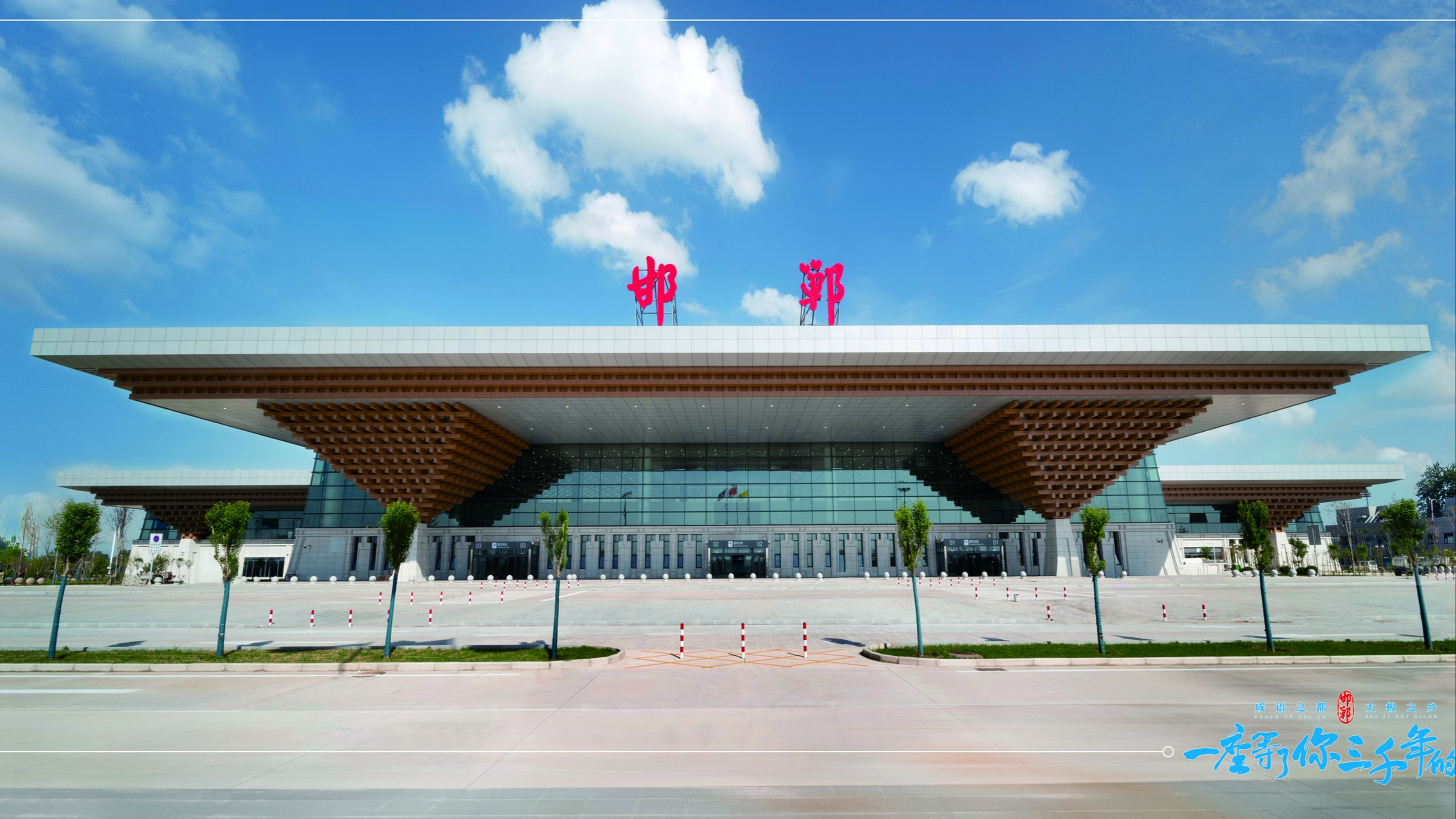
Shijiazhuang Zhengding International Airport (SJW) - 30 km from city center
Connected to major cities
Public transportation available
Extensive network throughout the city
Available throughout the city
Spring (April-May) and Autumn (September-October) offer the best weather for most destinations in China.
Zhengding is just 15km from downtown. Take bus route 31 or Express 31 line directly. Allow a full day to explore.
Ganglu Shaobing is best eaten hot from the oven. Look for small bakeries with cylindrical clay ovens at the entrance.
Shijiazhuang station connects to Beijing in just 1 hour by high-speed rail. Very convenient for day trips.
Zhaozhou Bridge is 40km from city. Visit combined with nearby Baodu Village for a full day trip.
Discover more cities, food guides, and travel inspiration.