Zhangjiajie city skyline and landmarks (张家界) - Travel China Guide

Zhangjiajie Travel Guide

Walk on air above Avatar's floating mountains. Zhangjiajie packs two world-class attractions 35 km apart: the pillar forests of Wulingyuan (UNESCO) and the cliff-hanging thrills of Tianmen Mountain.

About

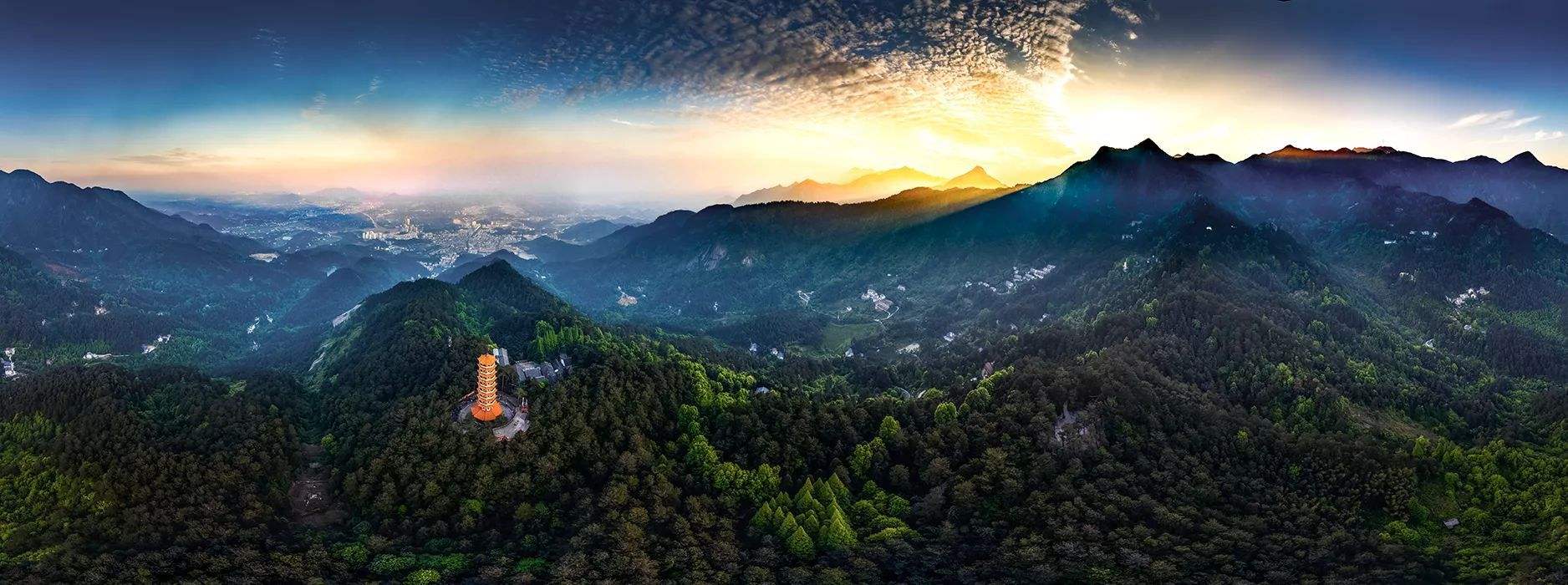
Zhangjiajie is a city that seems to exist in another world. Its landscape of towering sandstone pillars, misty valleys, and lush forests has inspired filmmakers, artists, and travelers for decades. The city's most famous claim to fame is serving as the inspiration for the floating Hallelujah Mountains in James Cameron's blockbuster film Avatar.

Located in northwestern Hunan Province, Zhangjiajie was designated China's first national forest park in 1982. Today, the Wulingyuan Scenic Area—comprising Zhangjiajie National Forest Park, Tianzi Mountain, and Suoxi Valley—covers over 390 square kilometers and was inscribed as a UNESCO World Heritage Site in 1992 for its unique geological formations.

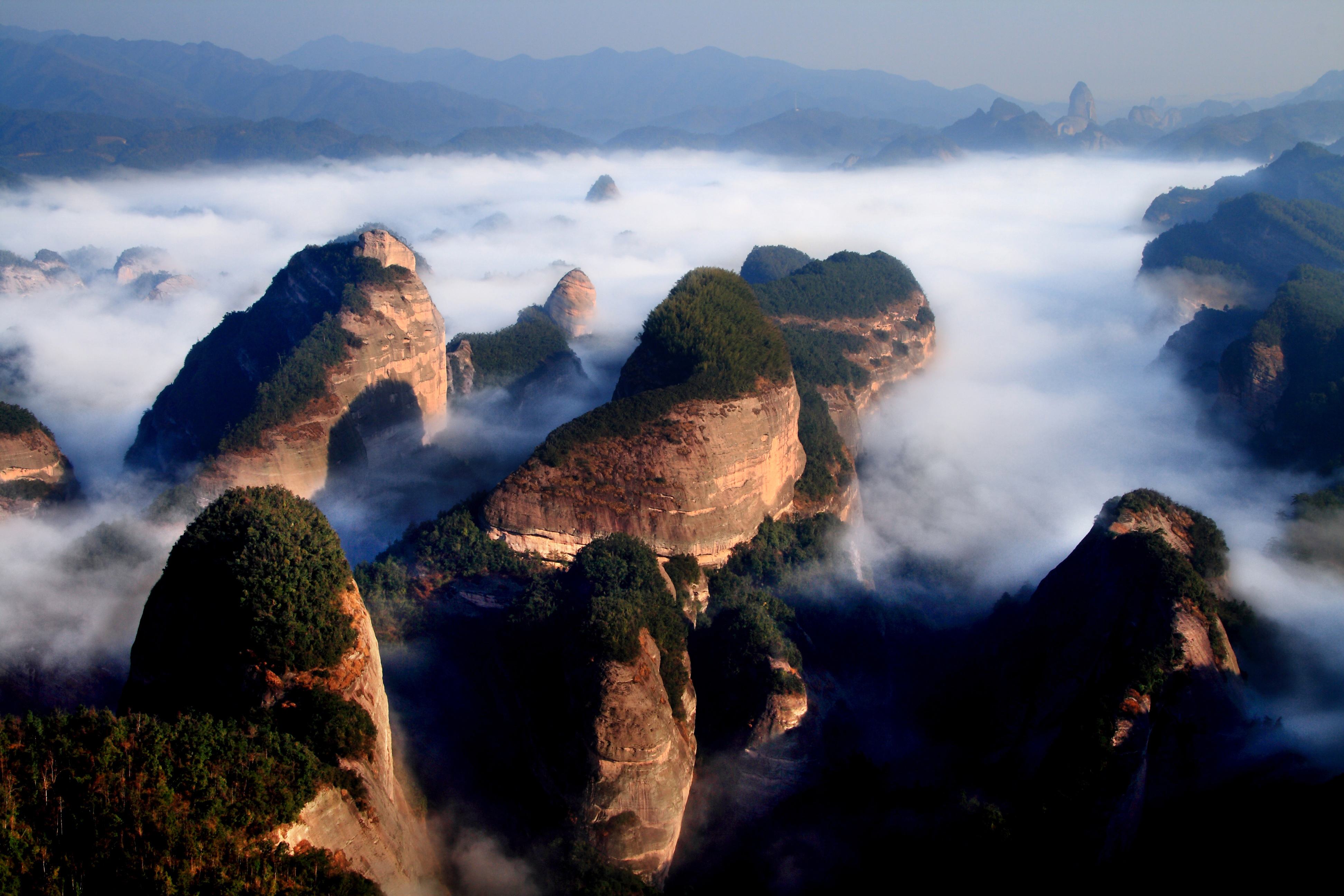
The park's most striking feature is its more than 3,000 quartz sandstone pillars, some rising over 200 meters from the forest floor. These pillars were formed over 380 million years through erosion and weathering, creating one of Earth's most otherworldly landscapes. The pillars are often shrouded in mist, adding to their ethereal appearance.

Beyond the famous Avatar peaks, Zhangjiajie offers diverse attractions. Tianmen Mountain features a natural arch called "Heaven's Gate," accessible via the world's longest cable car ride (7.5 km) or the hair-raising 99-turn "Dragon Road." The Zhangjiajie Glass Bridge, the world's longest and highest glass-bottomed bridge, offers adrenaline junkies a heart-stopping walk 300 meters above the canyon floor.

The city is also home to the Tujia ethnic minority, one of China's largest minority groups. Tujia culture is reflected in local cuisine, architecture, and festivals. Traditional wooden stilt houses, intricate silver jewelry, and unique customs add cultural depth to the natural wonders.

For nature lovers, photographers, and adventure seekers, Zhangjiajie offers an experience unlike anywhere else on Earth—a landscape so dramatic it seems almost supernatural.

👥
Population 1.51 million
📐
Area 9,516 km²
💬
Language Mandarin Chinese, Tujia language. English spoken in hotels and tourist areas.

History & Development

Zhangjiajie's geological history spans hundreds of millions of years. The quartz sandstone pillars were formed during the Devonian period, approximately 380 million years ago, through the deposition of sand and subsequent erosion by water and wind.

The area was historically inhabited by Tujia, Miao, and Bai ethnic minorities. The Tujia people have lived in the region for centuries, developing distinct cultural traditions, architecture, and agricultural practices adapted to the mountainous terrain.

The modern development of Zhangjiajie began in the late 20th century. In 1979, renowned Chinese painter Wu Guanzhong visited the area and created artworks that brought national attention to its unique landscapes. His paintings and advocacy helped establish Zhangjiajie as a protected area.

In 1982, Zhangjiajie became China's first national forest park. This designation marked the beginning of the area's transformation from a remote mountainous region into a world-class tourism destination.

The 1990s brought international recognition. In 1992, Wulingyuan Scenic Area was designated a UNESCO World Heritage Site. The inscription recognized the outstanding universal value of the sandstone pillar forest landscape.

Tourism infrastructure developed rapidly after 2000. The Bailong Elevator, built into a sandstone cliff, opened in 2002 as the world's tallest outdoor elevator. The Zhangjiajie Glass Bridge opened in 2016, setting multiple world records and attracting global attention.

The city was renamed from Dayong to Zhangjiajie in 1994 to promote tourism. Today, it welcomes millions of visitors annually and has become one of China's most iconic natural destinations.

Economy & Industries

Zhangjiajie's economy is dominated by tourism, which accounts for over 60% of the city's GDP. The city has transformed from an agricultural and forestry-based economy into one of China's premier tourist destinations.

The tourism industry directly employs tens of thousands of residents in hotels, restaurants, transportation, and guide services. The city has invested heavily in infrastructure, including the expansion of Zhangjiajie Hehua International Airport and the construction of high-speed rail connections to Changsha and other major cities.

Agriculture remains important, particularly the cultivation of tea, kiwi fruit, and traditional Chinese medicinal herbs. The mountainous terrain supports forestry and the collection of wild vegetables and mushrooms, which supply local restaurants and export markets.

The Tujia ethnic minority has developed cultural tourism products, including traditional crafts, performances, and homestay experiences in ethnic villages. Silver jewelry, embroidery, and bamboo weaving are popular souvenirs.

Recent development has focused on sustainable tourism and environmental protection. The city has implemented measures to limit visitor numbers in sensitive areas and promote off-season tourism to reduce pressure on popular sites during peak periods.

Zhangjiajie's GDP reached approximately 62 billion yuan in 2024. The city continues to develop its tourism infrastructure while working to preserve the natural environment that makes it unique.

Top Attractions

🏔️ Nature

Zhangjiajie National Forest Park

China's first national forest park (1982) featuring over 3,000 quartz sandstone pillars. The Avatar Hallelujah Mountain, First Bridge Under Heaven, and Bailong Elevator are highlights. A UNESCO World Heritage Site.

★★★★ 4.9
🕐 7:00 AM-6:00 PM
🎫 225 yuan (4-day pass)
🏔️ Nature

Tianmen Mountain

Features Tianmen Cave (Heaven's Gate), a natural arch through the mountain. Accessible via the world's longest cable car (7.5 km) or the thrilling 99-turn road. Glass Skywalk offers heart-stopping cliff views.

★★★★ 4.8
🕐 8:00 AM-5:30 PM
🎫 278 yuan (with cable car)
🏛️ Landmark

Zhangjiajie Glass Bridge

The world's longest and highest glass-bottomed bridge spans 430 meters across a 300-meter-deep canyon. Opened in 2016, the bridge can hold up to 800 visitors at once. The transparent glass floor gives the sensation of walking on air above the canyon. Key tips from real visitors: (1) Book tickets online in advance — daily capacity is limited to 8,000 visitors and it sells out during peak seasons. (2) No personal bags, cameras, or phones with cases are allowed on the bridge — free lockers are provided at the entrance. (3) Wear the provided shoe covers to protect the glass. (4) Best time: arrive at 8 AM opening to avoid the midday crowds. (5) The bridge is at Zhangjiajie Grand Canyon (大峡谷), a separate scenic area from Wulingyuan — about 1 hour drive from Wulingyuan village. After crossing the bridge, you can hike the canyon trail below with waterfalls and streams (~2-3 hours).

★★★★ 4.6
🕐 8:00 AM-5:00 PM
🎫 128 yuan
🏔️ Nature

Baofeng Lake

A serene alpine lake surrounded by karst peaks and waterfalls. Boat tours offer stunning reflections. Featured in the film "Crouching Tiger, Hidden Dragon."

★★★★ 4.5
🕐 8:00 AM-5:30 PM
🎫 96 yuan
🏔️ Nature

Huanglong Cave

One of China's largest karst caves, extending over 15 km. Features underground rivers, waterfalls, and massive stalactite formations. The Dragon Palace hall holds 10,000 people.

★★★★ 4.7
🕐 8:00 AM-5:30 PM
🎫 100 yuan
🏔️ Nature

Yuanjiajie

The core scenic area featuring Avatar Hallelujah Mountain and First Bridge Under Heaven. Stunning pillar formations. Access via Bailong Elevator, the world's tallest outdoor elevator.

★★★★ 4.8
🕐 7:00 AM-6:00 PM
🎫 Included in park ticket
🏔️ Nature

Golden Whip Brook

A peaceful 7.5-kilometer hiking trail along a crystal-clear stream, flanked by towering sandstone pillars. Home to wild macaques. The most scenic and accessible part of the park.

★★★★ 4.7
🕐 7:00 AM-6:00 PM
🎫 Included in park ticket

Food & Culture

Discover the culinary treasures of Zhangjiajie, from traditional street food to imperial cuisine.

Things to Do

Avatar Mountain Exploration

Hike through the pillar forest that inspired Avatar. Visit Yuanjiajie, Tianzi Mountain, and Golden Whip Brook.

🏛️

Glass Bridge Thrill

Walk across the world's longest glass-bottomed bridge for adrenaline and canyon views.

Tianmen Mountain Adventure

Take the world's longest cable car to Heaven's Gate. Walk the Glass Skywalk on the cliff edge.

🏛️

Cave Exploration

Discover the underground wonders of Huanglong Cave with its massive stalactites and underground rivers.

Suggested Itineraries

Classic 3-Day Zhangjiajie

Day 1 — Wulingyuan South Route: Enter through South Gate (森林公园门票站) at 7:30 AM. Hike Jinbian Stream (金鞭溪, 7.5 km, ~2–3 hours) — a flat, shaded trail along crystal-clear water with wild macaques. From Shuirao Simen (水绕四门), take shuttle to Bailong Elevator (百龙天梯, ¥65, 326m vertical in 88 seconds) up to Yuanjiajie. Visit Hallelujah Mountain (哈利路亚山), First Bridge Under Heaven (天下第一桥). Afternoon: shuttle to Tianzi Mountain — Dianjiangtai (点将台), Yubi Peak (御笔峰). Descend via Tianzi Mountain cable car (¥72). Stay in Wulingyuan village. Day 2 — Yangjiajie + Shili Hualang: Enter East Gate early. Shuttle to Yangjiajie — hike to Tianran Changcheng (天然长城, Natural Great Wall). Then shuttle to Tianzi Mountain cable car. Afternoon: hike down from Tianzi Pavilion (天子阁) to Shili Hualang (十里画廊, ~1.5 hours downhill) — or take the sightseeing train (¥38). The valley walk offers close-up pillar views different from the mountaintop perspective. Day 3 — Tianmen Mountain: From Zhangjiajie city center, take the world's longest cable car (7.5 km, ~30 min) up to Tianmen Mountain. Walk the Glass Skywalk (cliff-edge glass path, free with ticket, shoe covers ¥5). Hike to Tianmen Cave (天门洞, Heaven's Gate) — 999 steps down through the natural arch. Take the shuttle bus down the 99-bend Tongtian Avenue. Depart in the afternoon. Note: Tianmen Mountain and Wulingyuan are 35 km apart — plan one day for each.

  • Zhangjiajie National Forest Park / Wulingyuan
  • Yuanjiajie (Avatar Mountains)
  • Tianzi Mountain
  • Golden Whip Brook
  • Tianmen Mountain

4-Day Deep Explorer

Day 1 — Wulingyuan mountain areas (Yuanjiajie + Tianzi Mountain, see 3-day itinerary). Day 2 — Wulingyuan valley areas: Huangshi Village (黄石寨, cable car ¥65) for panoramic views, then afternoon at Yangjiajie and Golden Whip Brook. Day 3 — Zhangjiajie Grand Canyon & Glass Bridge (¥128): walk the 430m glass bridge 300m above the canyon floor, then hike the canyon trail with waterfalls and streams (~2–3 hours). Afternoon: Huanglong Cave (黄龙洞, ¥100) — one of China's largest karst caves. Day 4 — Tianmen Mountain full day, then depart. This itinerary works best with the "Three Cableways + One Elevator" pass (¥298) and the full transport combo (¥518).

  • Wulingyuan (2 full days)
  • Glass Bridge & Grand Canyon
  • Tianmen Mountain
  • Huanglong Cave

Getting Around

✈️

Airport

Zhangjiajie Hehua International Airport (DYG) — 5 km from city center. Direct flights from Beijing (2.5h, ¥800–1,500), Shanghai (2h, ¥600–1,200), Guangzhou (1.5h, ¥500–1,000), Chengdu (1.5h, ¥400–800), Changsha (1h), Xi'an, Kunming. Airport shuttle bus to city center ¥15, taxi ¥30–50. Note: the airport is near the city center (Tianmen Mountain side), not Wulingyuan. Budget ¥100 taxi from airport to Wulingyuan area (40 min drive).

🚄

High-Speed Rail

Zhangjiajie West Station (张家界西站). Changsha → Zhangjiajie: ~2.5h, ¥130. Guangzhou → Zhangjiajie: ~7h via Changsha transfer. Beijing → Zhangjiajie: ~10h via Changsha. From Fenghuang Ancient Town: ~1h, ¥50. Many travelers fly into Changsha Huanghua Airport (cheaper flights), then take the high-speed train to Zhangjiajie — this is often cheaper than flying directly to DYG.

🚌

Bus Network

Free park shuttle buses connect all scenic areas within Wulingyuan. The park has 5 entry gates: East Gate (标志门, busiest), South Gate (森林公园门票站, best for Jinbian Stream hiking), and Zimugang Gate (梓木岗, less crowded, good for Tianzi Mountain). During peak seasons, avoid East Gate — South Gate and Zimugang have much shorter lines.

🚕

Taxi & Rideshare

City taxi ¥6 base fare. Key distances: city center ↔ Wulingyuan 35 km (¥80–100, 40 min), Wulingyuan ↔ Zhangjiajie West Station 30 km (¥70–90), airport ↔ Wulingyuan 40 km (¥100, 40 min). Note: taxi drivers at the airport/train station may overcharge — use ride-hailing apps (Didi) for fair metered pricing.

Best Time to Visit

🌸

Spring

Apr - May

★★★★★

Mild temperatures, blooming flowers, and clear views. Perfect for hiking and photography.

  • Best weather
  • Flower season
  • Clear mountain views
☀️

Summer

Jun - Aug

★★★★☆

Warm and humid with occasional rain. Waterfalls at peak flow. Popular but crowded.

  • Peak waterfall flow
  • Lush greenery
  • Long daylight hours
🍂

Autumn

Sep - Oct

★★★★★

Clear skies, comfortable temperatures, and golden autumn foliage. Ideal for outdoor activities.

  • Perfect weather
  • Autumn colors
  • Best photography
❄️

Winter

Dec - Feb

★★★☆☆

Cold with occasional snow. Frozen waterfalls and snow-covered pillars create magical scenes. Fewer tourists.

  • Snow scenery
  • Fewer crowds
  • Lower prices

🎉 Festivals & Events

January (Lunar calendar)
Tujia Sheba Festival

The most important Tujia festival with traditional dances, sacrifices, and celebrations.

Various dates
Tujia Nuo Dance

Traditional exorcism dance with masks and costumes, performed during important occasions.

💡 Weather Tips

Mountain weather is unpredictable. Always carry rain gear and warm layers. Mornings often have mist.

Travel Reminders

☀️

Mountain Weather & Photography

Zhangjiajie's magic depends heavily on weather. The best photos happen right after rain or snow, when the morning sun creates mist, cloud seas, and Tyndall light beams through the pillars. Winter (Dec–Feb) has the highest chance of cloud seas + snow scenery, and far fewer tourists. Spring and autumn offer the most reliable clear weather. Summer is lush but crowded and rainy. Pro tip: enter the park at opening time (7 AM) — the 1–2 hours after sunrise produce the best light. Cloud seas typically dissipate by 10–11 AM as the sun strengthens.

💡

Best Photo Spots

Top photo locations from local photographers: (1) Tianzi Mountain cable car upper station — panoramic cloud sea at sunrise, wide platform for drones. (2) Dianjiangtai (点将台) — the core landscape of Tianzi Mountain, best with morning light. (3) Yubi Peak (御笔峰) — iconic pillar formation, best with side lighting. (4) Tianran Changcheng / Natural Great Wall (杨家界) — dramatic ridgeline at midday. (5) Shentangwan (神堂湾) — excellent with telephoto lenses for compressed peak layers. (6) Hallelujah Mountain (袁家界) — arrive before 8 AM to avoid crowds. Winter snow + cloud sea is the holy grail combination for photographers.

💡

Real Budget Breakdown

Per person for a 3-day trip (mid-range, based on real traveler reports): Park tickets — Wulingyuan ¥224 (4-day entry + shuttle) + cable cars ~¥200 + Tianmen Mountain ¥278 = ~¥700 total. Hotel — ¥150–300/night in Wulingyuan area (off-season), ¥300–600 (peak). Food — ¥30–60/meal local restaurants, ¥15 for noodle breakfast. Transport — ¥80–100 taxi between areas. Total 3-day budget: ¥1,500–2,500/person (off-season), ¥2,500–4,000 (peak season). Budget tip: many travelers fly into Changsha (cheaper flights) and take the ¥130 high-speed train to Zhangjiajie instead of flying directly to DYG.

💡

Crowd Avoidance Strategy

The park gets extremely crowded during Chinese holidays (May Day, National Day Oct 1–7, summer Jul–Aug) and weekends. On peak days, waiting times for the Bailong Elevator and cable cars can reach 3–4 hours. Strategy: (1) Enter through South Gate or Zimugang Gate instead of East Gate — dramatically shorter queues. (2) Start your day at 7 AM sharp when gates open. (3) Do the most popular spots (Yuanjiajie, Tianzi Mountain) on weekday mornings. (4) Winter (Dec–Feb) has 80% fewer tourists and the best scenery — snow + cloud sea. (5) Book hotels in Wulingyuan village, not Zhangjiajie city center, to save 40 min of daily commuting.

💡

Park Navigation

Wulingyuan is divided into "mountain-top" (山上: Tianzi, Yangjiajie, Yuanjiajie, Kongzhong Tianyuan) and "valley" (山下: Shili Hualang, Jinbian Stream, Huangshi Village) areas. Shuttle buses don't connect between mountain and valley — you must use cable cars or the Bailong Elevator. The "3 cableways + 1 elevator" (三索一梯) multi-ride pass costs ¥298 and covers unlimited rides on all four vertical transports for 4 days — strongly recommended if visiting multiple mountain areas. The full transport combo pass is ¥518 (entry + shuttle + all lifts).

💡

Tujia Food Culture

Don't miss the Tujia Three-Strike Pot (三下锅) — Zhangjiajie's signature dish found on every street corner. It's a hearty stew of pork, chicken, and seasonal vegetables, named after the cook's tradition of striking the pot three times. For breakfast, try local rice noodles (米粉, ¥12–15) or Tujia sticky rice cakes (糍粑). Street food near the East Gate includes grilled river fish, stinky tofu, and sweet rice wine. The mountain restaurants inside the park are expensive (¥35+ for instant noodles) — bring snacks and water if on a budget.

Continue Exploring China

Discover more cities, food guides, and travel inspiration.