
Why Jiangsu
Jiangsu evokes images of "small bridges over flowing water, households by the riverside." Here you'll find the exquisite classical gardens of Suzhou, the profound history of Nanjing as an ancient capital, the vast beauty of Taihu Lake in Wuxi, and the graceful elegance of Slender West Lake in Yangzhou.
Ten days is enough to explore Jiangsu's most essential cities—Nanjing, Suzhou, Wuxi, and Yangzhou. Each city has its own character: Nanjing exudes Republican-era charm, Suzhou showcases classical beauty, Wuxi offers Taihu Lake scenery, and Yangzhou embodies the slow-life philosophy.
This guide takes you beyond mere sightseeing to truly experience the lifestyle rhythm of Jiangnan water towns.
Beyond Nanjing & Suzhou
Many travelers' impressions of Jiangsu are limited to Nanjing and Suzhou, but the province offers so much more:
- Nanjing — Ancient Capital of Six Dynasties: Ming Xiaoling Mausoleum, Sun Yat-sen Mausoleum, Presidential Palace complex, Confucius Temple and Qinhuai River, Xuanwu Lake and Purple Mountain
- Suzhou — City of Gardens: Humble Administrator's Garden, Lion Grove Garden, Pingjiang Road, Tiger Hill, Hanshan Temple, Shantang Street, Zhouzhuang and Tongli ancient towns
- Wuxi — Pearl of Taihu Lake: Yuantouzhu (Turtle Head Isle), Lingshan Grand Buddha, Nianhua Bay, Jichang Garden
- Yangzhou — City of Slow Living: Slender West Lake, Ge Garden, He Garden, Daming Temple, morning tea culture
Other cities worth exploring: Zhenjiang (Xijindu Ancient Street, Jinshan Temple), Changzhou (China Dinosaur Park), Nantong (Haohe River), Xuzhou (Yunlong Lake, Han Culture), Lianyungang (Huaguoshan).
Nanjing Must-See
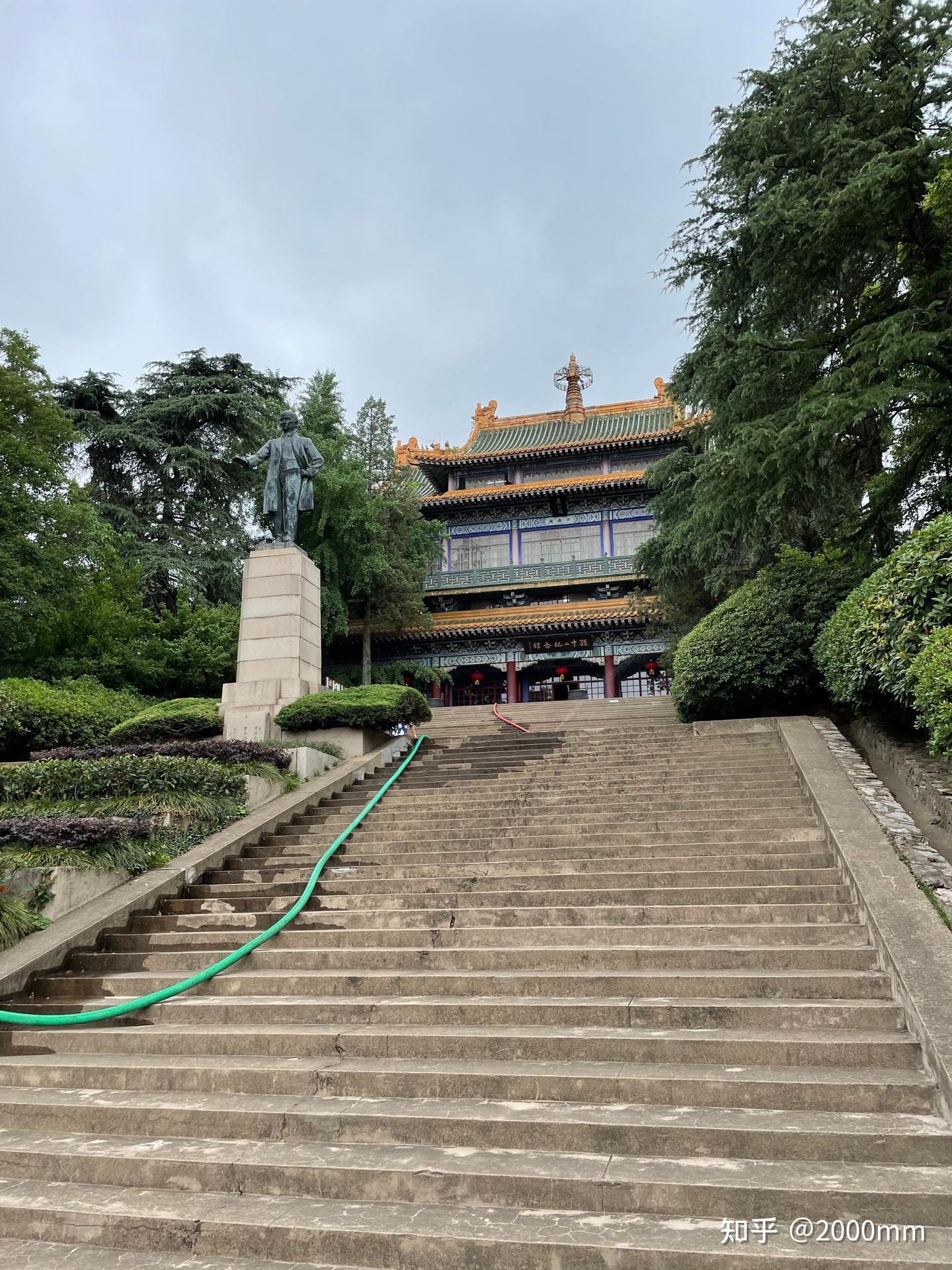
Sun Yat-sen Mausoleum — The First Mausoleum of the Republic
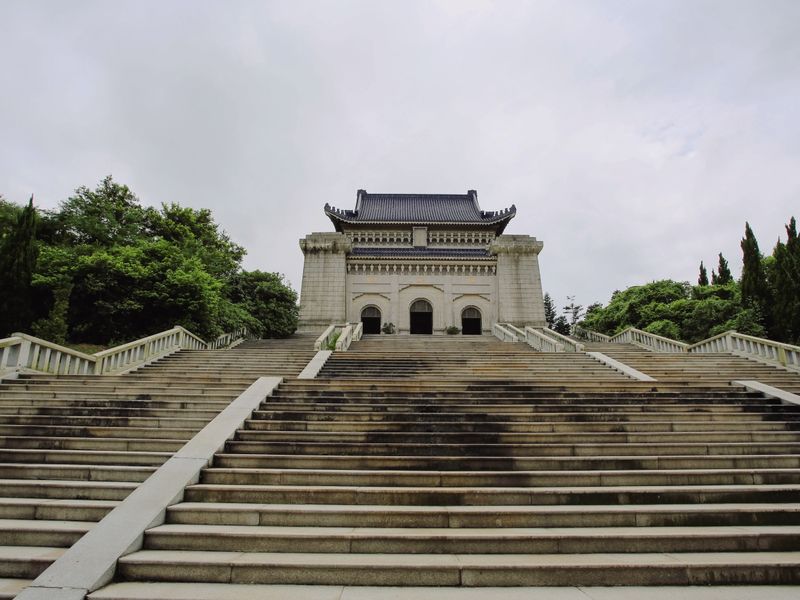
The Sun Yat-sen Mausoleum is the final resting place of Dr. Sun Yat-sen, the great pioneer of China's modern democratic revolution. It's hailed as "the first mausoleum in modern Chinese architectural history." The overall design resembles a "liberty bell," with blue-tiled white walls combining Chinese and Western architectural aesthetics.
Built along the mountainside, the mausoleum has 392 stone steps along the central axis, representing China's 392 million people at the time. Reaching the top offers spectacular views over Nanjing city.
Admission: Free (advance reservation required via WeChat official account)
Hours: 8:30-17:00 (Sacrificial Hall and Tomb Chamber closed Mondays)
Duration: 2-3 hours
Ming Xiaoling Mausoleum — Imperial Tomb of the Ming Dynasty
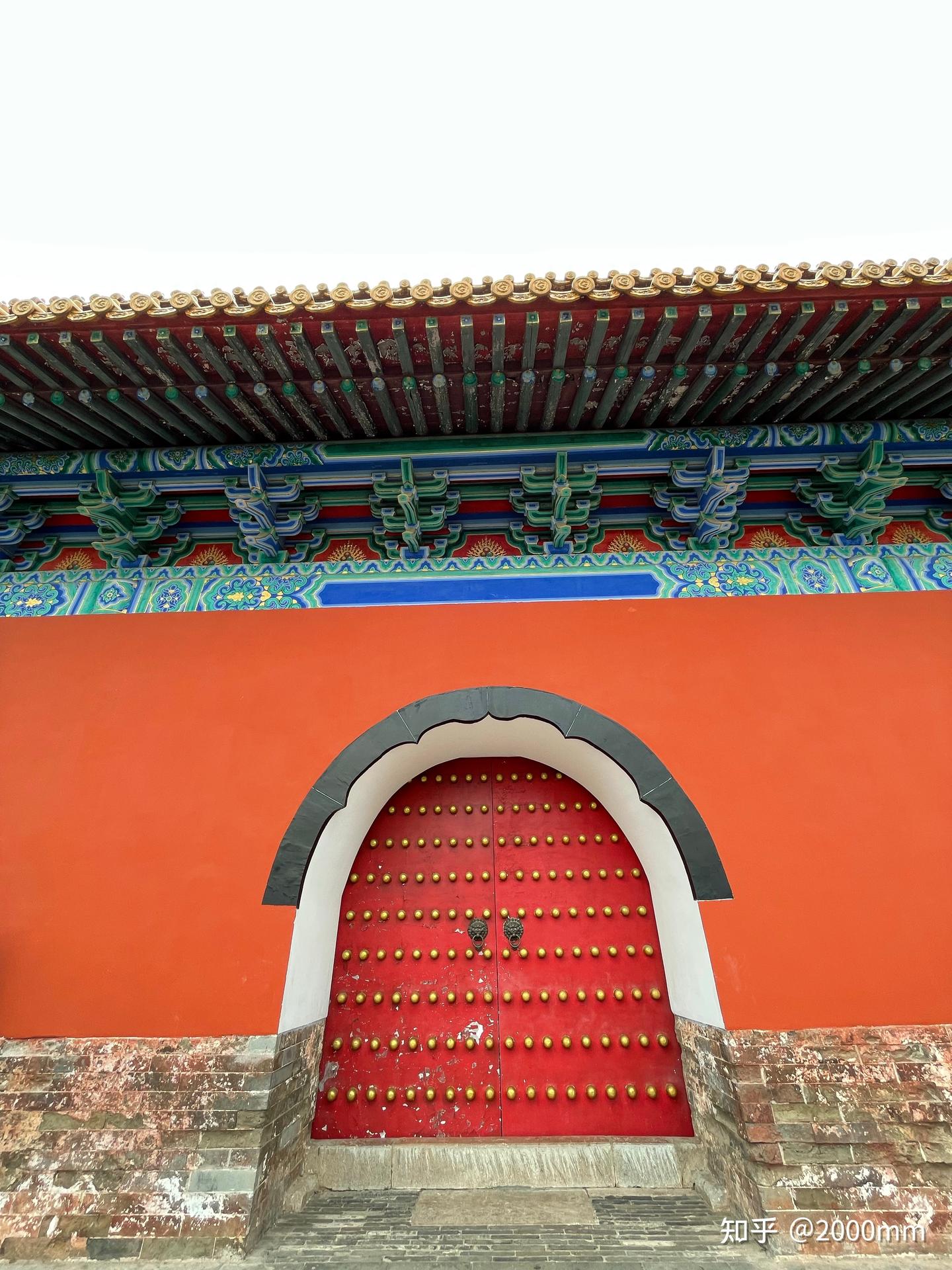
Ming Xiaoling is the joint tomb of Ming Dynasty founder Emperor Zhu Yuanzhang and his empress. It's the progenitor of Ming and Qing imperial tombs, with over 600 years of history. Listed as a UNESCO World Heritage Site in 2003.
The Sacred Way is the highlight—a 600-meter avenue lined with 12 pairs of stone animals and figures, each uniquely carved and lifelike. These stone sculptures are masterpieces of ancient Chinese carving art.
Admission: ¥70 (Zhongshan Scenic Area combo ticket ¥100)
Hours: 6:30-18:00 (enter before 6:30 for free admission)
Duration: 3-4 hours
Confucius Temple and Qinhuai River — Nanjing's Bustling Heart
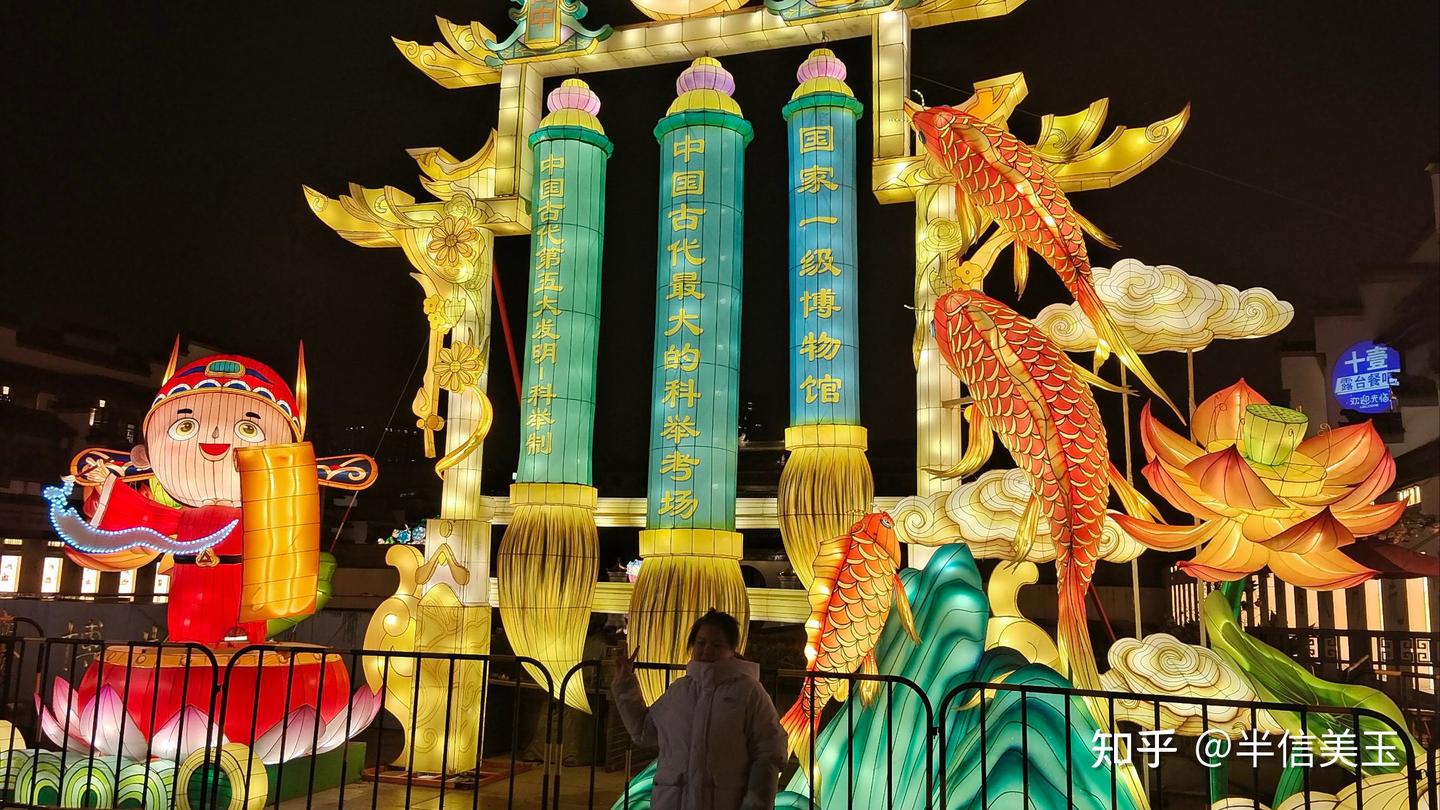
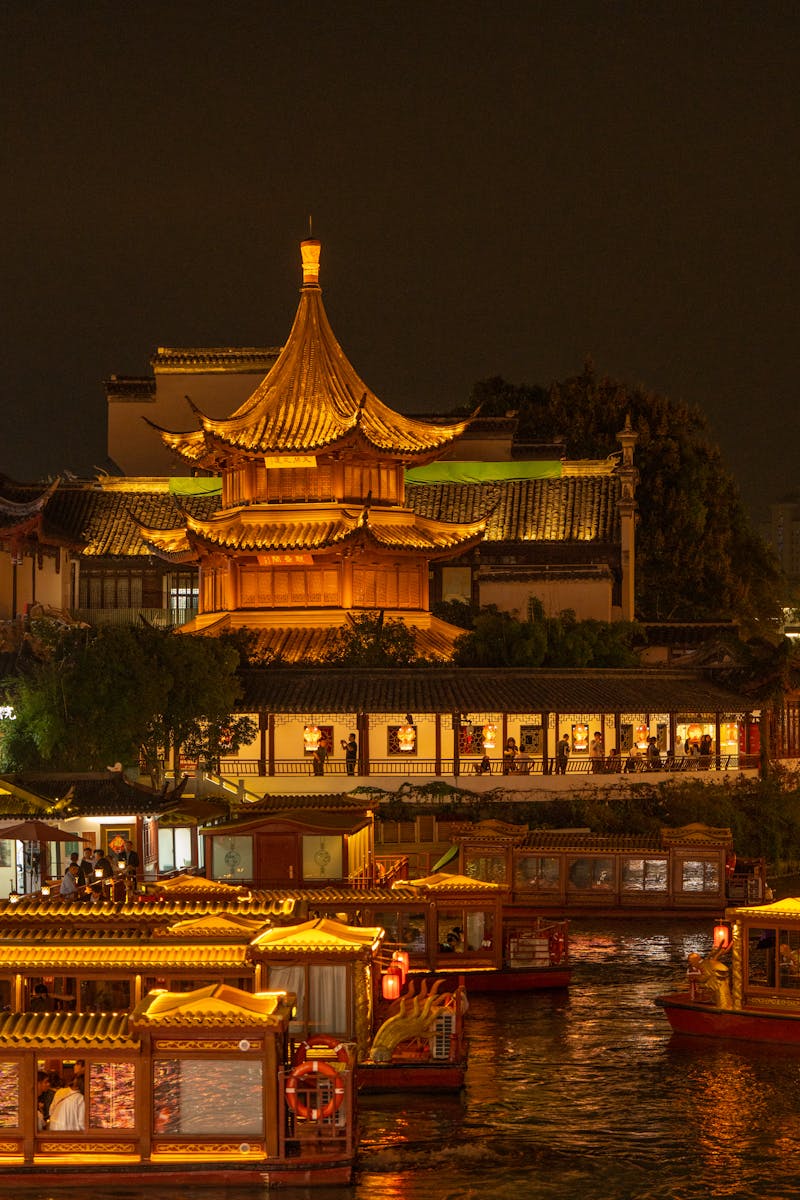
The Confucius Temple-Qinhuai Scenic Belt is Nanjing's core attraction, blending Ming-Qing architecture, folk culture, and street food. At nightfall, lights illuminate both banks, with ancient buildings reflecting in the water—a spectacular sight.
Admission: Confucius Temple ¥30, Qinhuai River cruise ¥60-100
Hours: Confucius Temple 9:00-21:00, Qinhuai River cruise until 22:00
Duration: 3-4 hours
Presidential Palace — Museum of Republican History
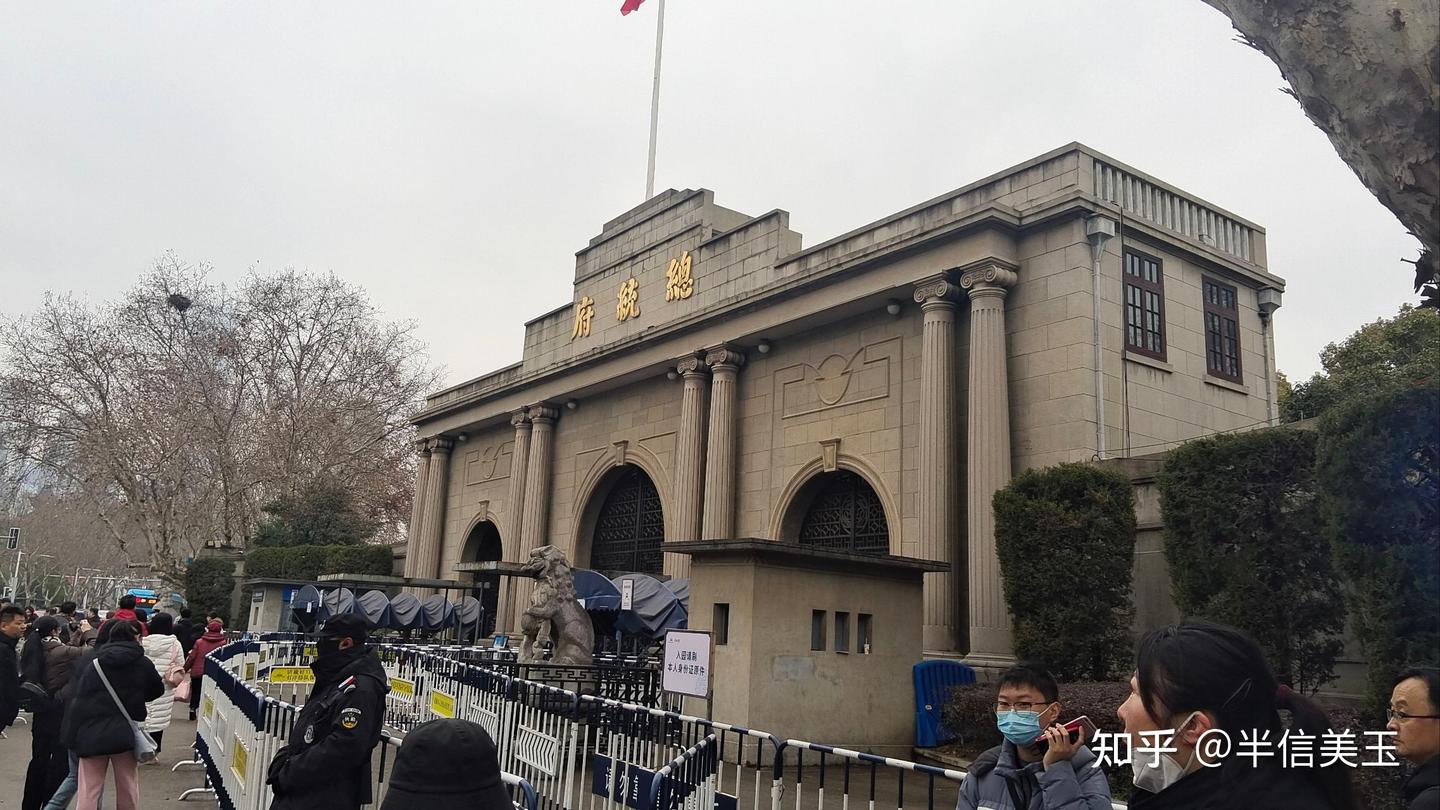
The Presidential Palace served as the Heavenly King's Palace during the Taiping Heavenly Kingdom, the Viceroy's Office during the Qing Dynasty, and the Presidential Palace of the Republic of China—witnessing the turbulent changes of modern Chinese history.
Admission: ¥40
Hours: 8:30-17:00 (Closed Mondays)
Duration: 2-3 hours
Nanjing Museum — One of China's Big Three
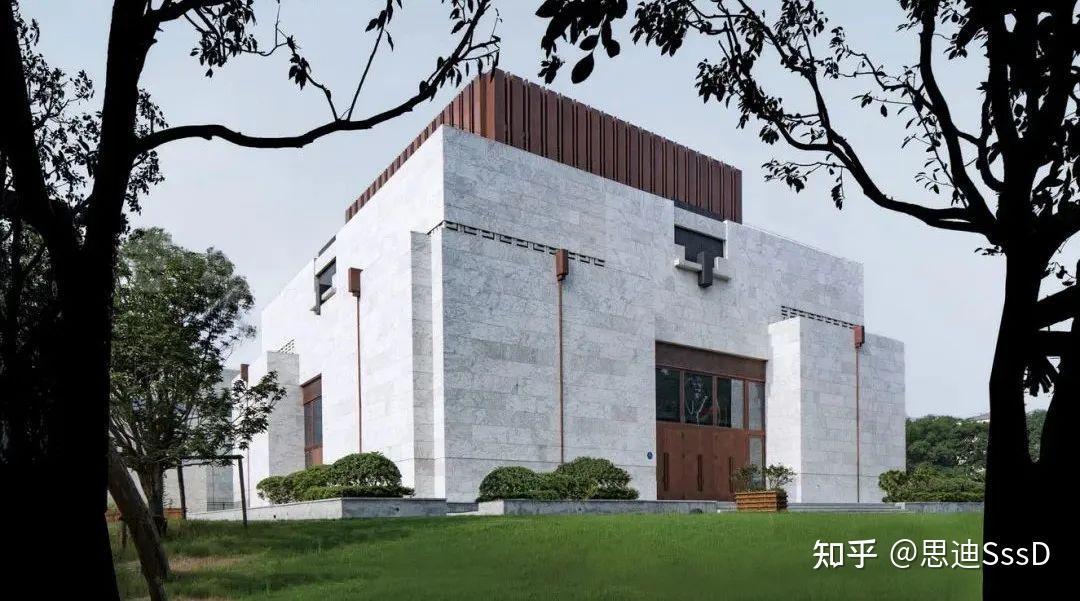
The Nanjing Museum is one of China's three great museums, alongside the Palace Museum and National Palace Museum. It houses over 420,000 artifacts, including 18 national treasures.
Admission: Free (reserve 1-2 weeks in advance)
Hours: 9:00-17:00 (Closed Mondays)
Duration: 3-4 hours
Xuanwu Lake — Nanjing's Urban Living Room
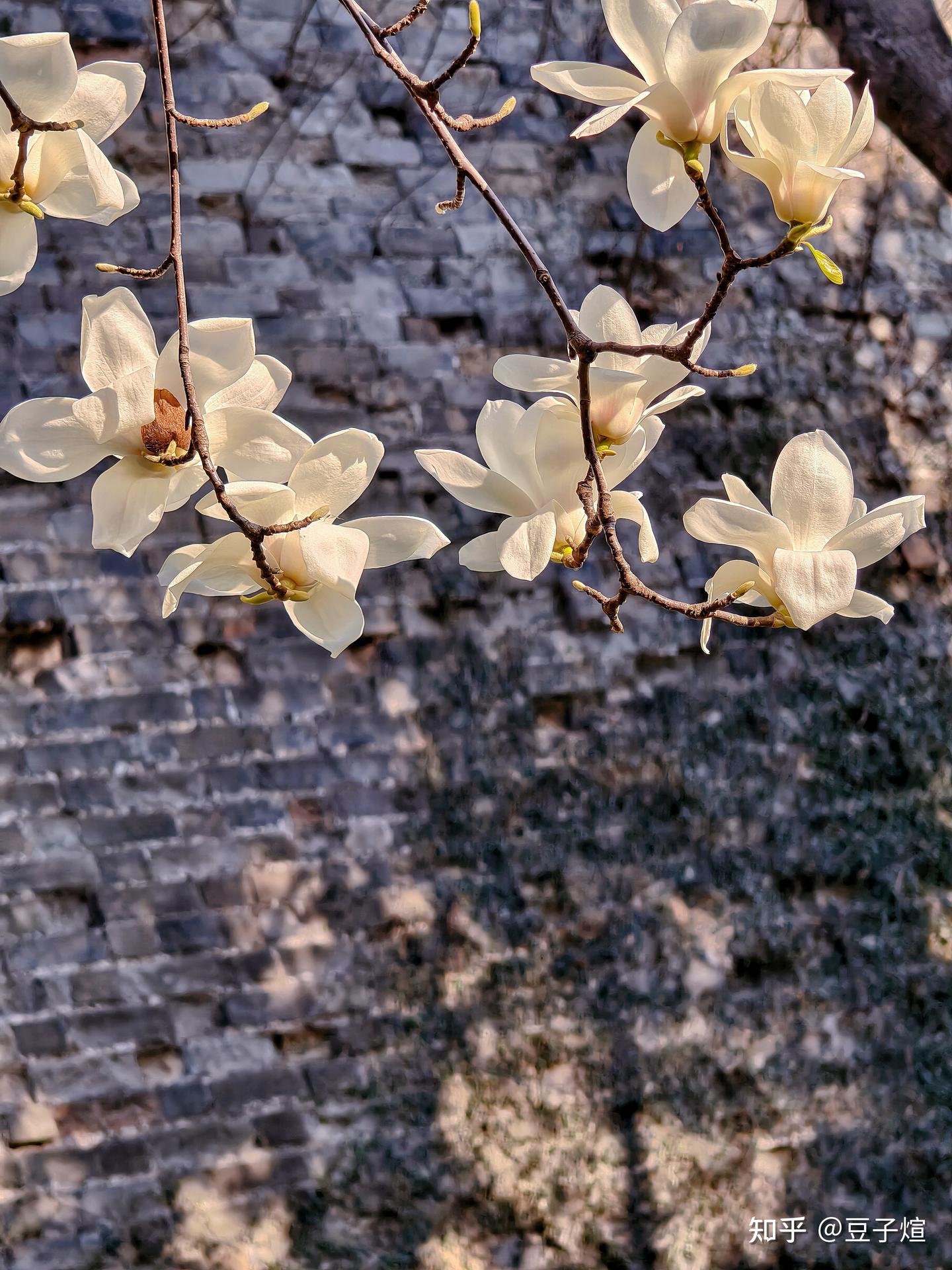
Xuanwu Lake is the largest urban park in Jiangnan, with over 1,500 years of history—it was once an imperial garden. The lake contains five islets, each with its own character, perfect for walking, cycling, and boating.
Admission: Free
Hours: Open all day
Niushou Mountain — Buddhist Cultural Sanctuary
Niushou Mountain is a Buddhist holy site—the discovery of Shakyamuni Buddha's skull relic here in 2010 shocked the world. The Usnisa Palace is magnificent and serves as Niushou Mountain's iconic landmark, nicknamed the "Golden Durian."
Admission: ¥98
Hours: 8:30-17:30
Duration: 3-4 hours
Suzhou Must-See
Humble Administrator's Garden — Premier Garden of Suzhou
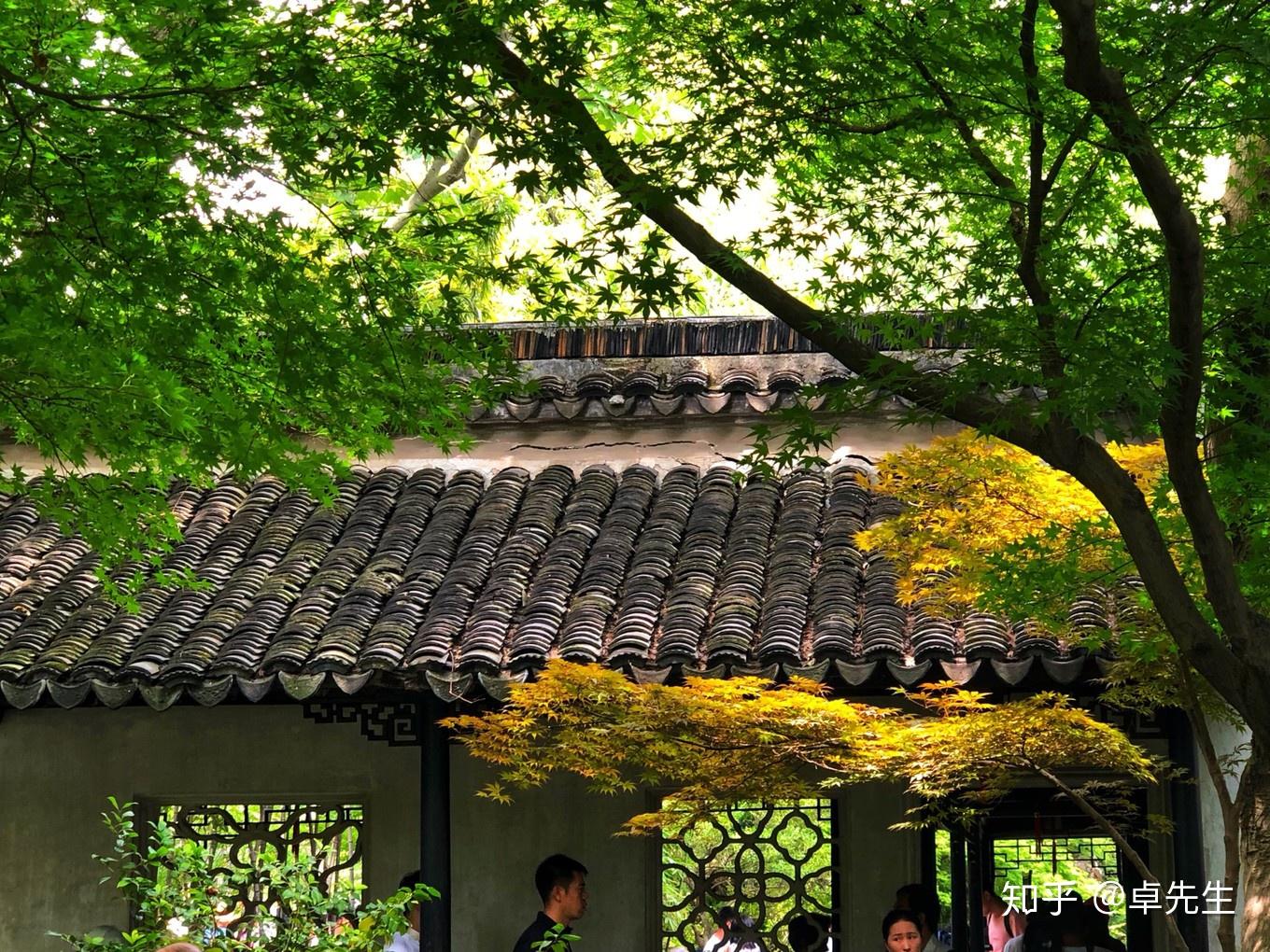
The Humble Administrator's Garden is Suzhou's largest classical garden, listed among China's Four Great Gardens. Built during the Ming Dynasty over 500 years ago, it represents the pinnacle of Suzhou garden art. The garden excels in water features, with pavilions and towers artfully arranged—every view is a painting.
Admission: Peak season ¥80, off-season ¥70
Hours: 7:30-17:30
Duration: 2-3 hours
Suzhou Museum — I.M. Pei's Final Masterpiece
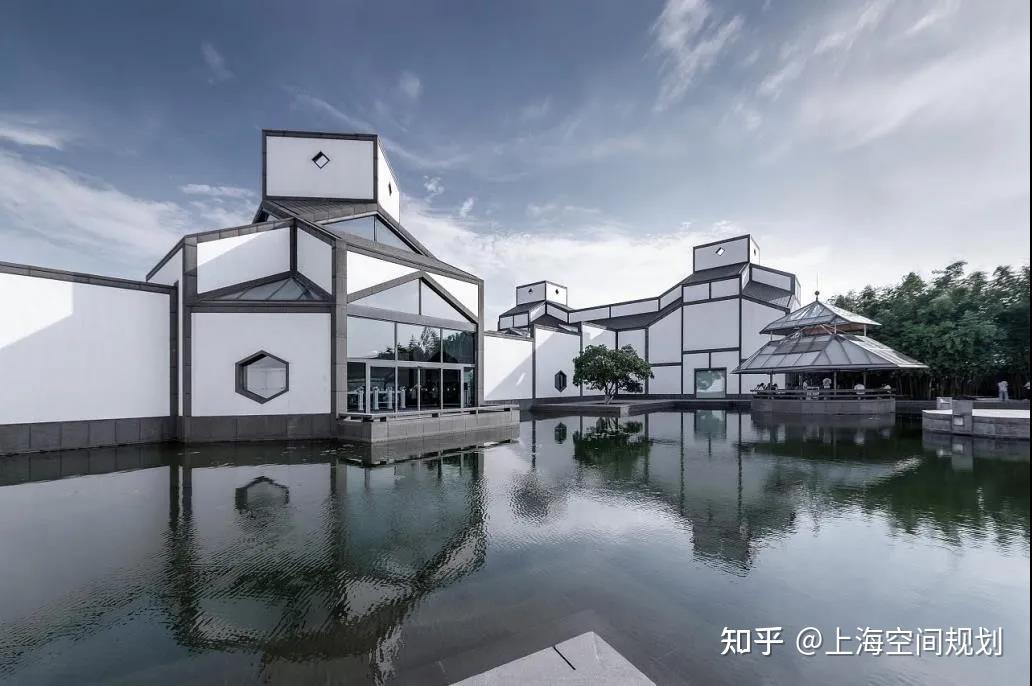
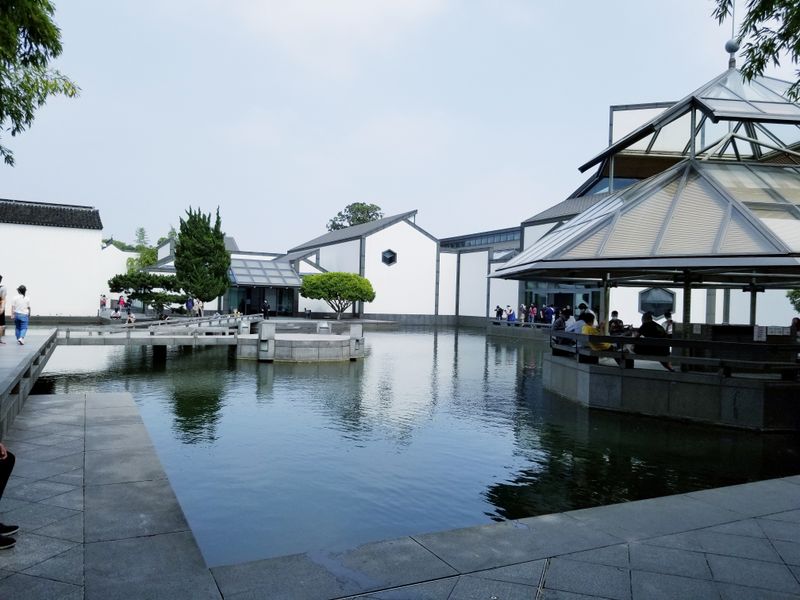
Designed by architectural master I.M. Pei, this is the final work of "the last master of modern architecture." The building perfectly blends traditional Suzhou white walls and gray tiles with modern geometric elements—the architecture itself is a work of art.
Admission: Free (advance reservation required)
Hours: 9:00-17:00 (Closed Mondays)
Lion Grove Garden — Kingdom of Rockeries
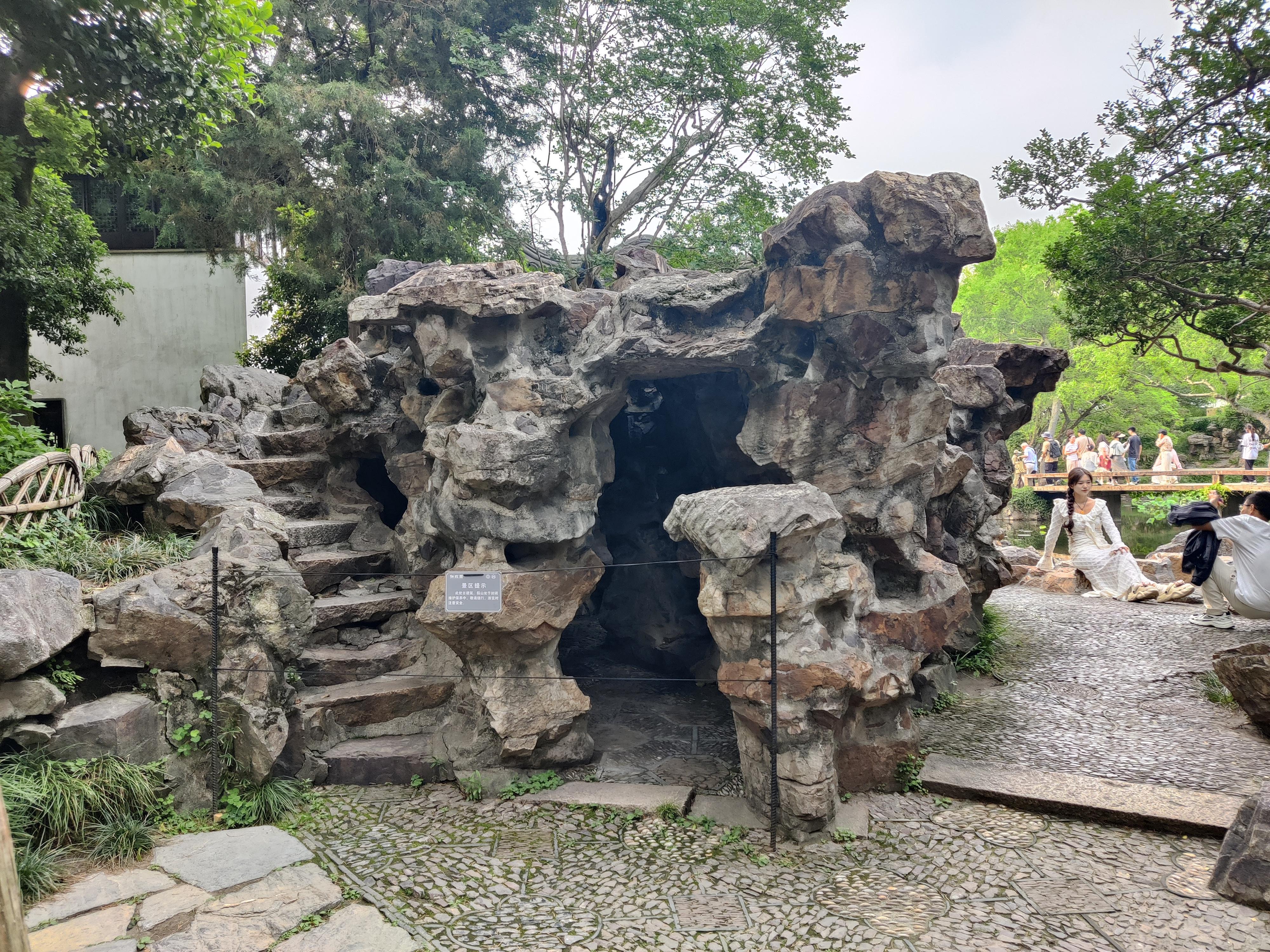
Lion Grove is famous for its rockeries, earning the title "Kingdom of Rockeries." Built in the Yuan Dynasty over 600 years ago, its rockery complex is the largest and most intricate in Chinese classical gardens.
Admission: ¥40
Hours: 7:30-17:30
Pingjiang Road — Suzhou's Slow Life
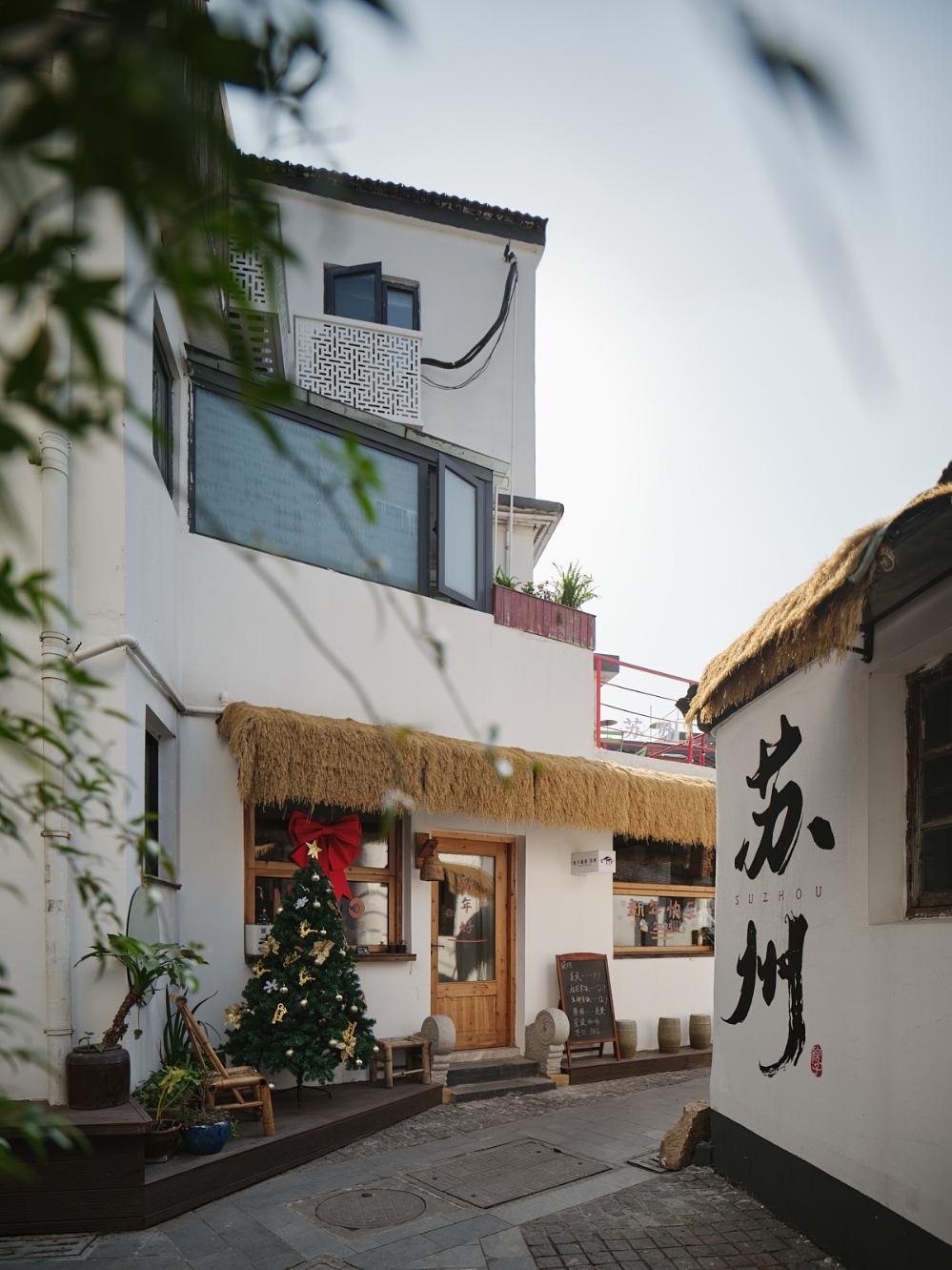
Pingjiang Road is Suzhou's best-preserved historic district, with over 2,500 years of history. Water and land run parallel, streets and canals adjacent—filled with cafes, teahouses, and creative shops.
Admission: Free
Tiger Hill — Premier Attraction of Wu Region
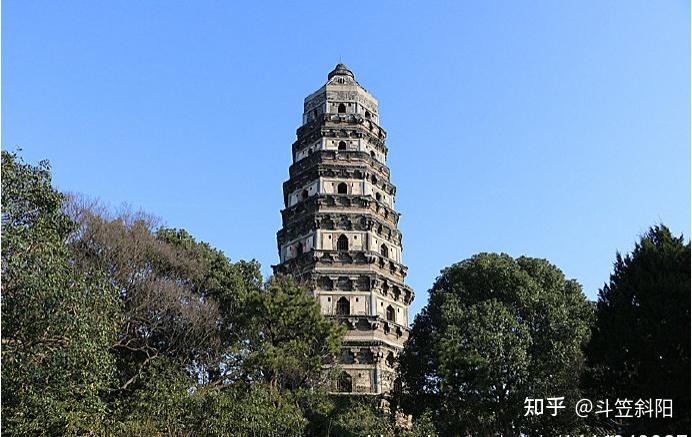
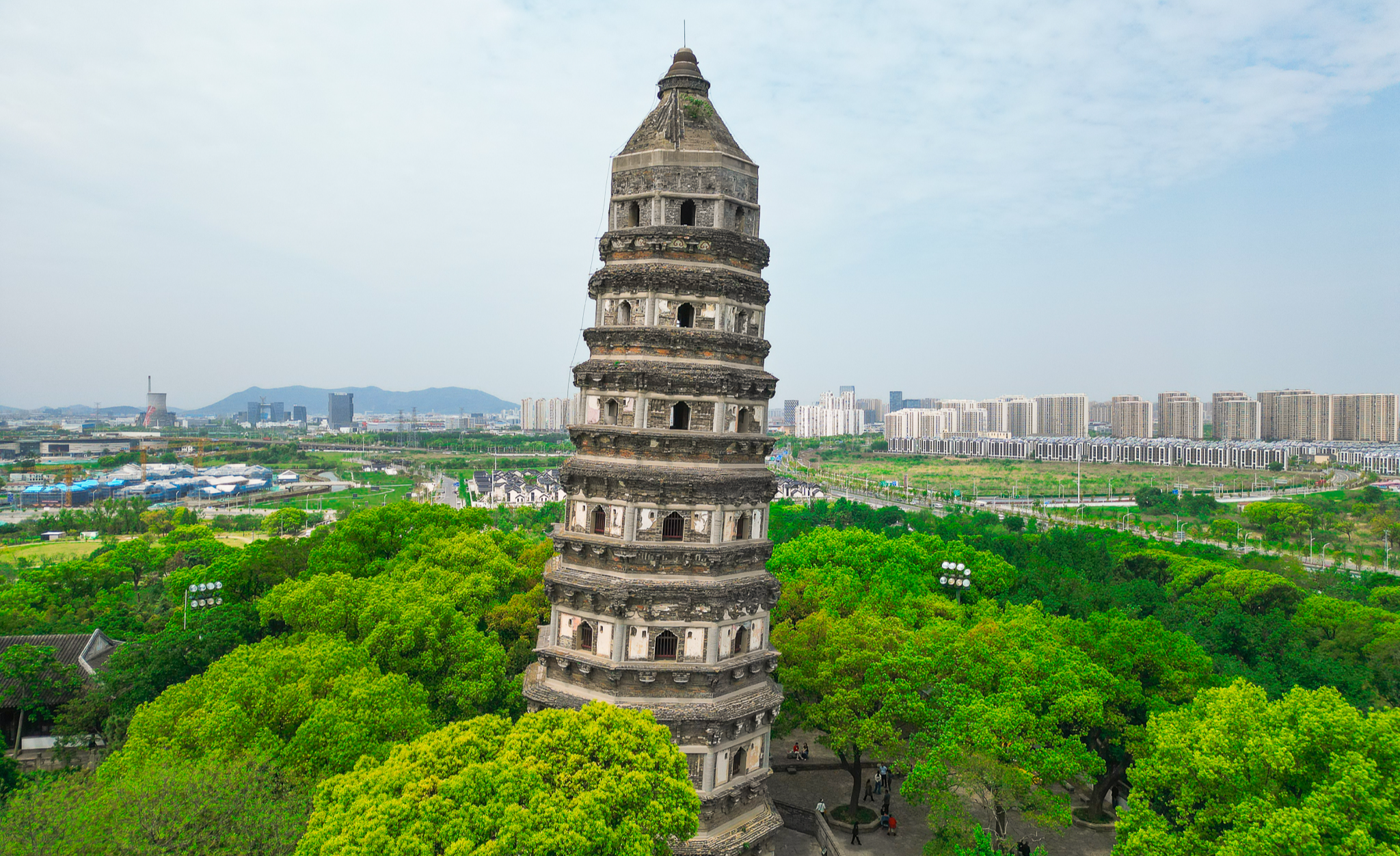
Tiger Hill has over 2,500 years of history. Su Dongpo said, "Visiting Suzhou without seeing Tiger Hill is a lifelong regret." The Tiger Hill Pagoda is the world's second-leaning tower, tilted for a millennium without falling.
Admission: Peak season ¥80, off-season ¥60
Hanshan Temple — Midnight Bell Reaches the Guest Boat
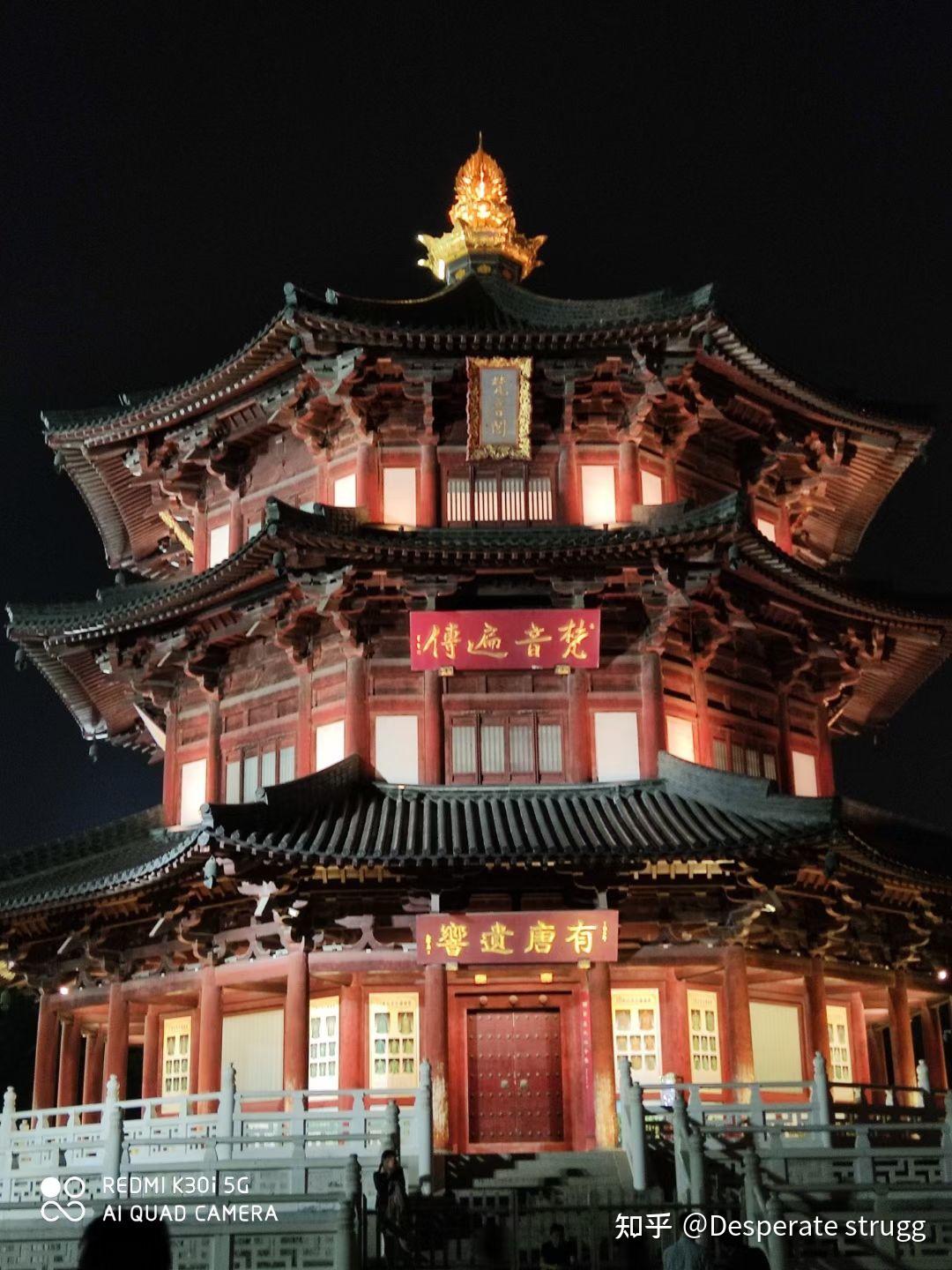
Hanshan Temple is world-famous from Zhang Ji's poem "Beyond Suzhou city lies Hanshan Temple; At midnight, the bell tolls to the guest boat." Built in the Southern Dynasties over 1,500 years ago.
Admission: ¥20
Shantang Street — Premier Street of Gusu
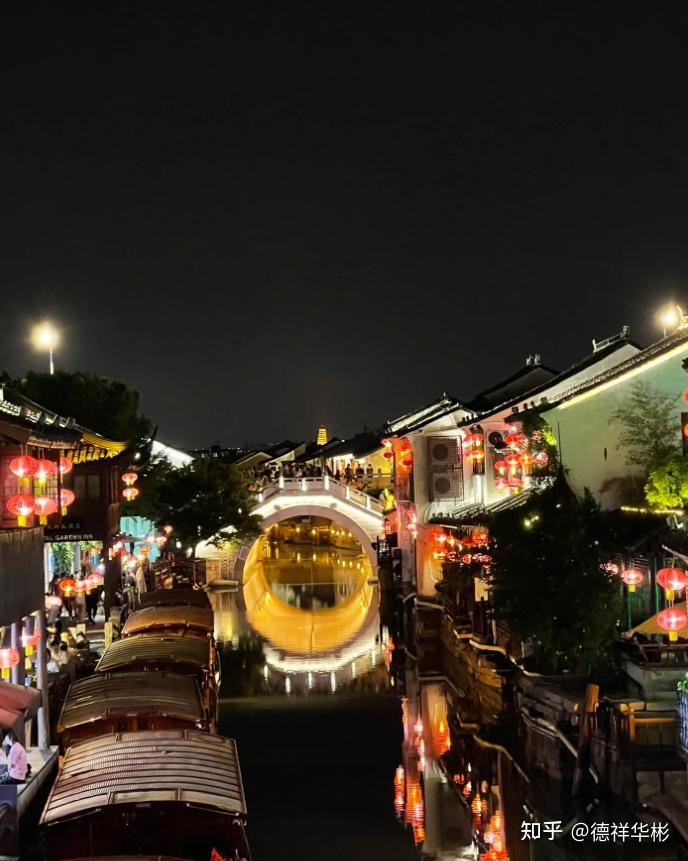
Shantang Street has over 1,100 years of history, built when Bai Juyi served as Suzhou's prefect. Night views along the canal are spectacular.
Admission: Free
Tongli Ancient Town — Oriental Little Venice
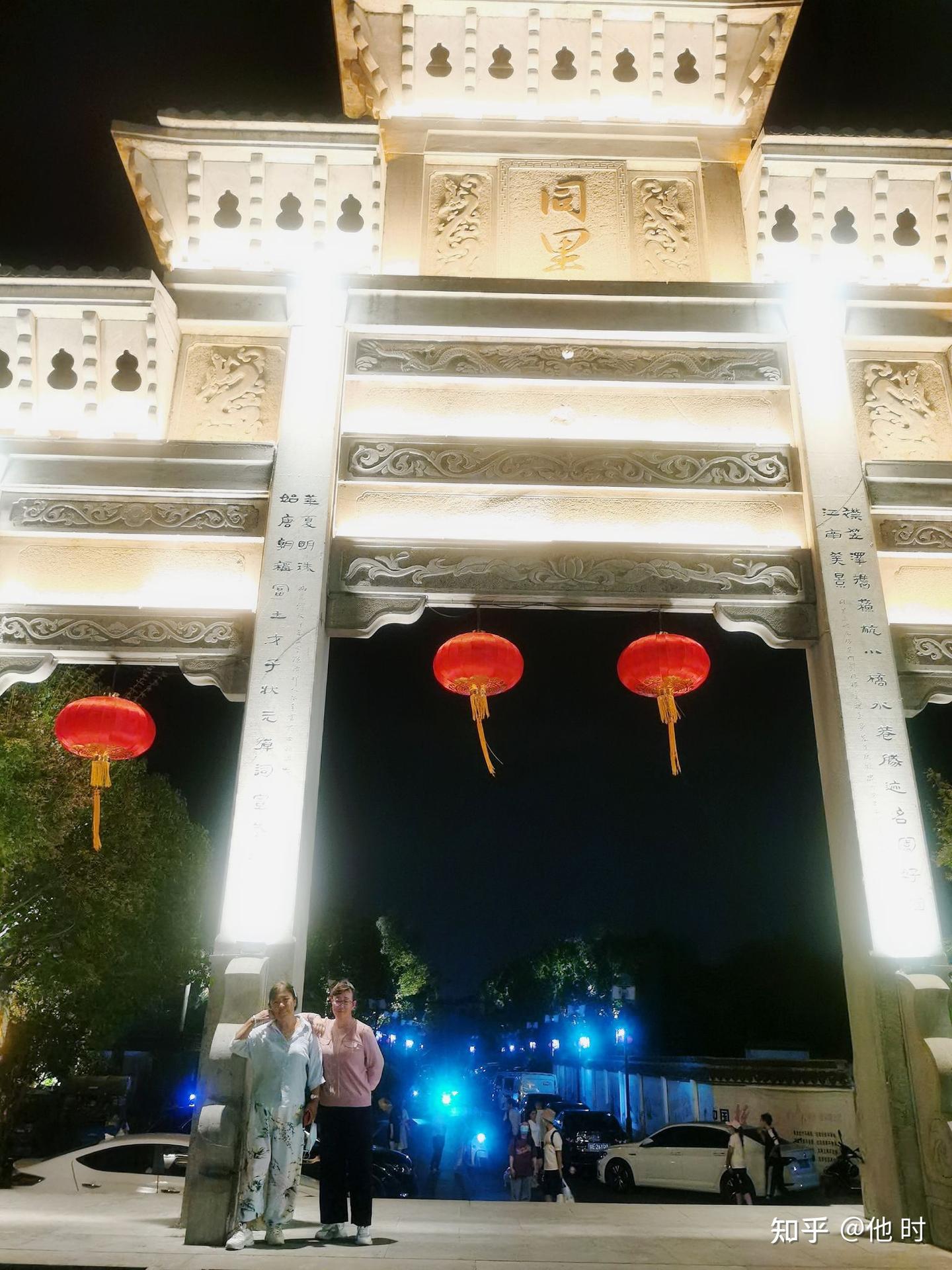
Tongli Ancient Town is nicknamed "Oriental Little Venice," with over 1,000 years of history. Every household faces water, every home accessible by boat—the quintessential Jiangnan water town. The Retreat and Reflection Garden is a UNESCO World Heritage Site.
Admission: ¥100
Zhouzhuang Ancient Town — China's No. 1 Water Town
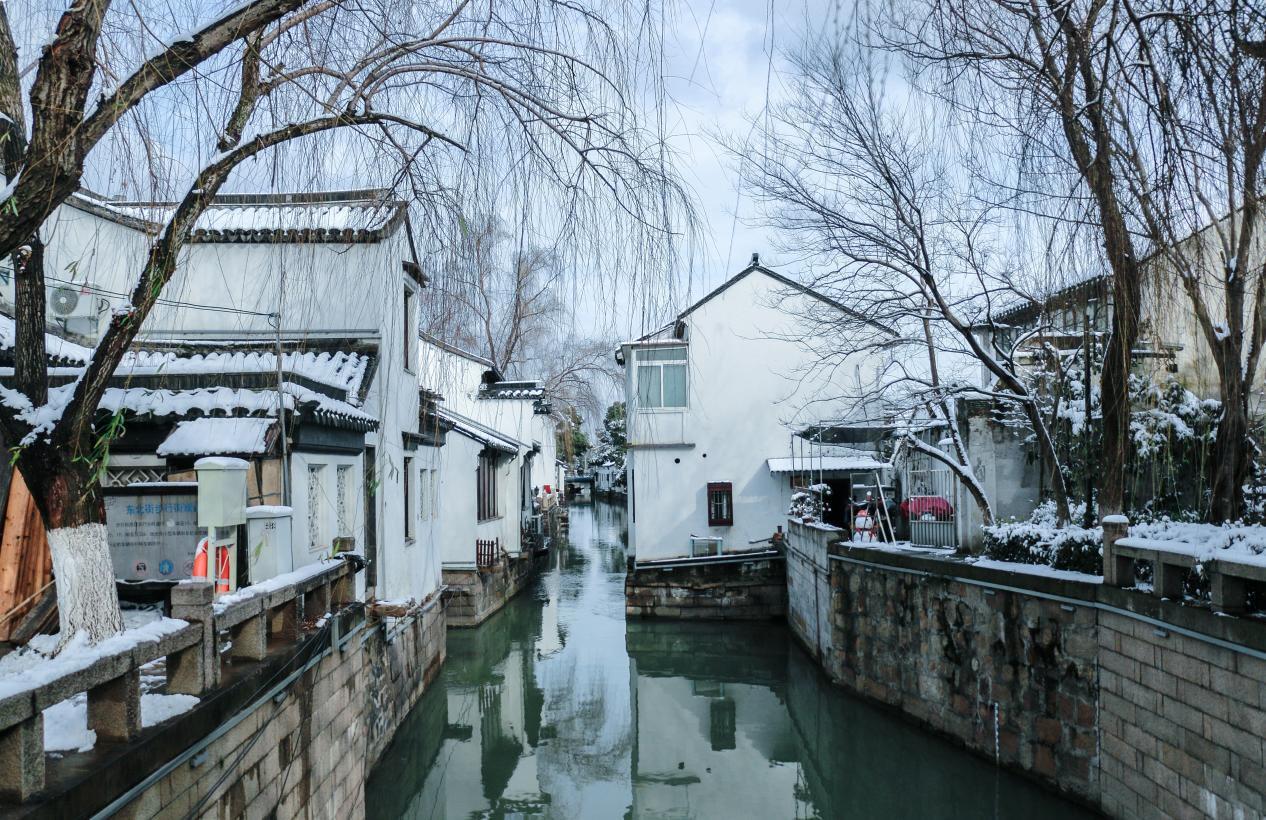
Zhouzhuang is acclaimed as "China's Number One Water Town," with over 900 years of history. The Twin Bridges, Shen Hall, and Zhang Hall are must-see attractions.
Admission: Day ticket ¥100, Night ticket ¥80
10-Day Itinerary
Day 1: Arrive in Nanjing + Confucius Temple Night View
Morning/Afternoon: Arrive at Nanjing Lukou Airport, take Metro Line S1 to city center (about 1 hour). Check into hotel (recommend Xinjiekou or Confucius Temple area).
Evening: Head to Confucius Temple-Qinhuai Scenic Belt. First explore Laomendong (more authentic food street). Night cruise on Qinhuai River (¥60-100), experiencing "sounds of oars and lantern light on the Qinhuai River."
Day 2: Zhongshan Scenic Area (Ming Xiaoling + Sun Yat-sen Mausoleum)
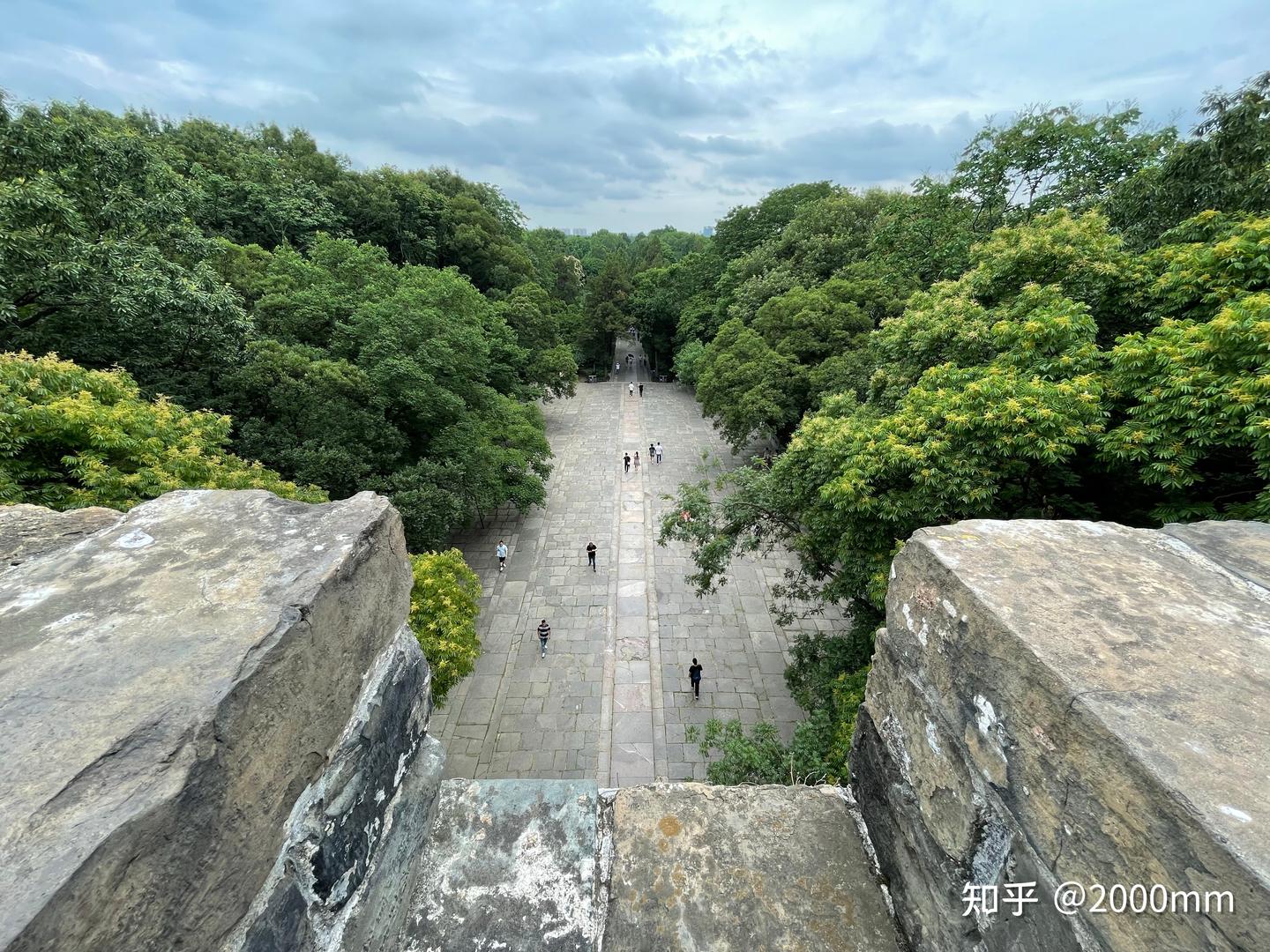
6:00 AM: Early departure to Ming Xiaoling (enter before 6:30 for free admission!). First visit the Sacred Way—the 600-meter stone animal avenue is especially beautiful in morning light.
Afternoon: Proceed to Sun Yat-sen Mausoleum (free, reservation required). Ascend 392 steps, feeling the solemn atmosphere. Visit Music Stage, feed pigeons (¥10 ticket).
Day 3: Nanjing Museum + Presidential Palace
Morning: Visit Nanjing Museum (free, reserve 1-2 weeks in advance). Focus on Republican Era Hall (restored Republican-era streets), History Hall (jade burial suit, celadon beast-shaped zun). Allow 3-4 hours.
Afternoon: Visit Presidential Palace (¥40, closed Mondays). Then walk to Xuanwu Lake (free), watch sunset.
Day 4: Nanjing → Suzhou (Humble Administrator's Garden + Suzhou Museum)
Morning: If time permits, visit Niushou Mountain (¥98). Or head directly to Suzhou.
Noon: High-speed train from Nanjing South Station to Suzhou (about 1 hour, ¥115).
Afternoon: Humble Administrator's Garden (peak season ¥80). Then Suzhou Museum (free, reservation required).
Night: Walk to Pingjiang Road, find a teahouse for tea while listening to pingtan.
Day 5: Suzhou Garden Highlights Day
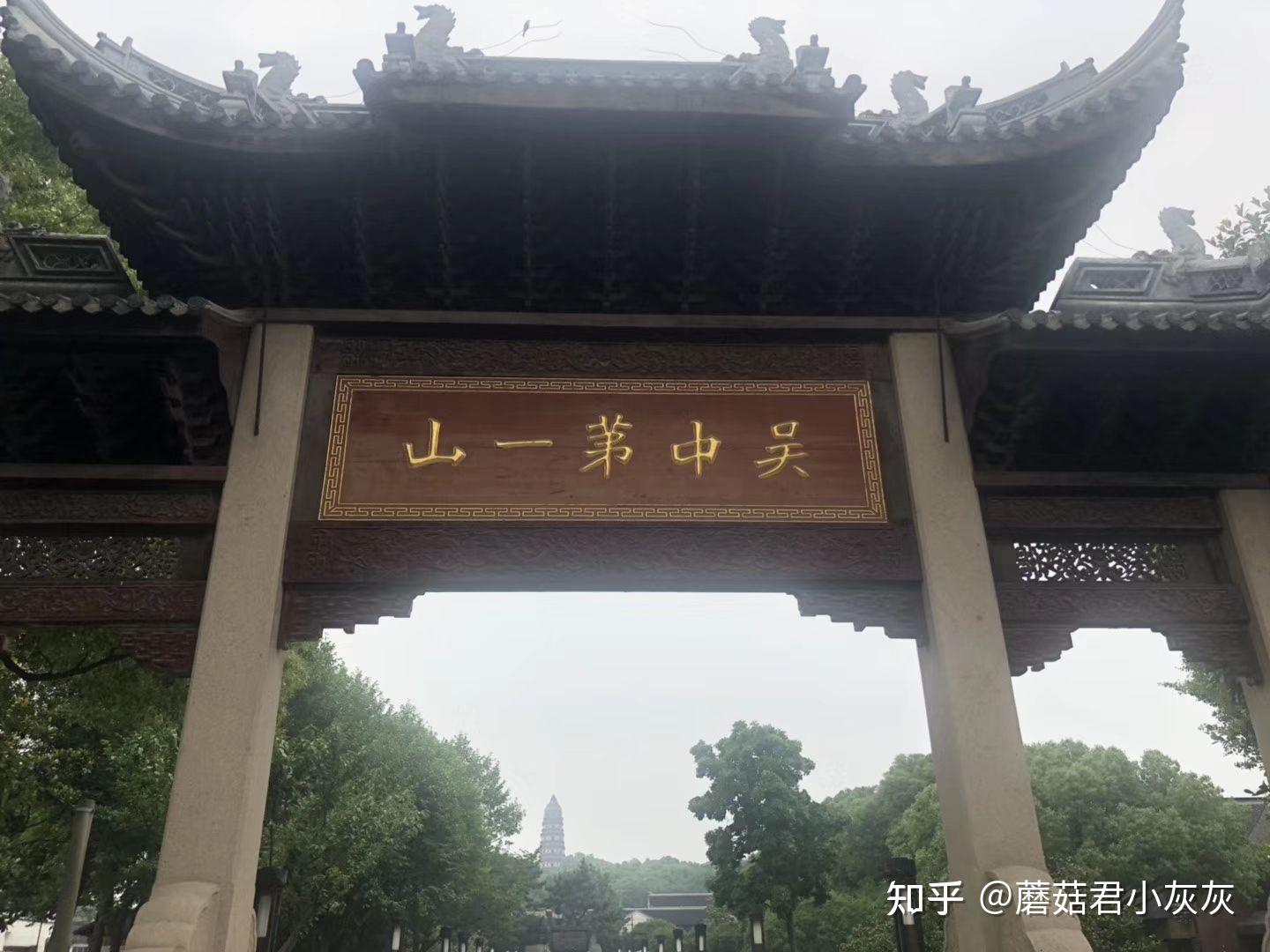
Morning: Lion Grove Garden (¥40), famous for its rockeries. Arrive at 7:30 to avoid tour groups.
Afternoon: Tiger Hill (peak season ¥80)—Su Dongpo said, "Visiting Suzhou without seeing Tiger Hill is a lifelong regret."
Evening: Shantang Street (free), night cruise boat ¥45.
Day 6: Suzhou → Wuxi (Pearl of Taihu)
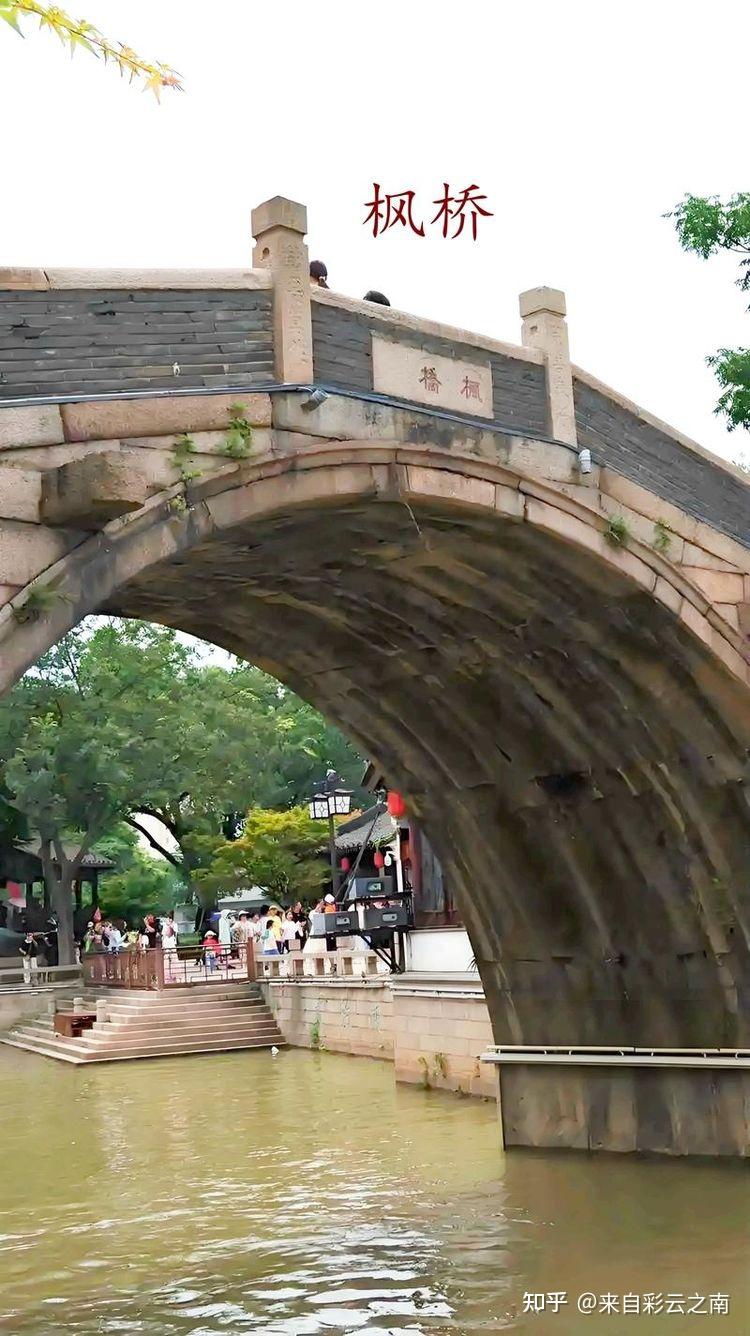
Morning: Hanshan Temple (¥20), world-famous from Zhang Ji's poem. Arrive at 7:30 for best morning bell atmosphere.
Noon: High-speed train from Suzhou Station to Wuxi (about 30 minutes, ¥39).
Afternoon: Yuantouzhu (Turtle Head Isle, ¥90), the most beautiful corner of Taihu Lake.
Day 7: Wuxi Deep Dive
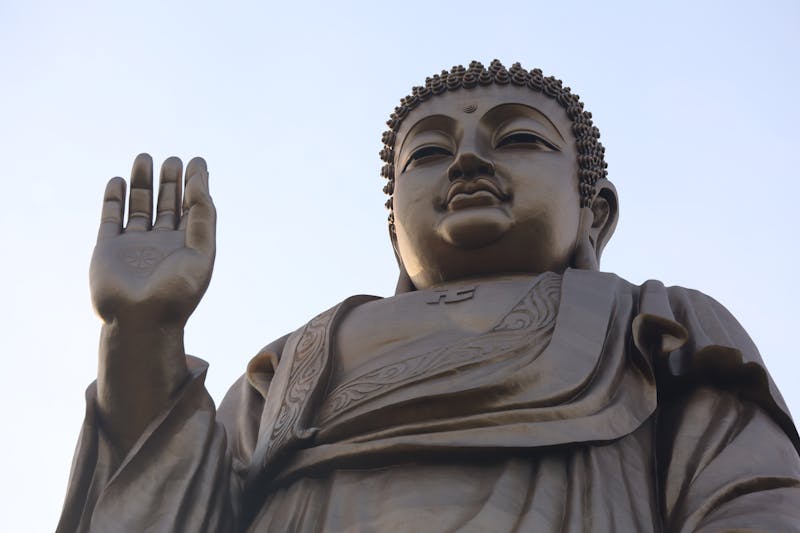
Morning: Lingshan Grand Buddha (¥80), the world's tallest bronze standing Shakyamuni statue at 88 meters. The Lingshan Brahma Palace is called the "Versailles of the East."
Afternoon: Nianhua Bay (free), a Lingshan town themed on Zen. Then Huishan Ancient Town (free), with over 100 ancestral halls.
Day 8: Yangzhou Slow Life
7:00 AM: Experience Yangzhou morning tea culture at Fuchun Teahouse or Yechun Teahouse. Must-order: three-ding buns, jade-colored shaomai, thousand-layer oil cake, boiled shredded dried tofu.
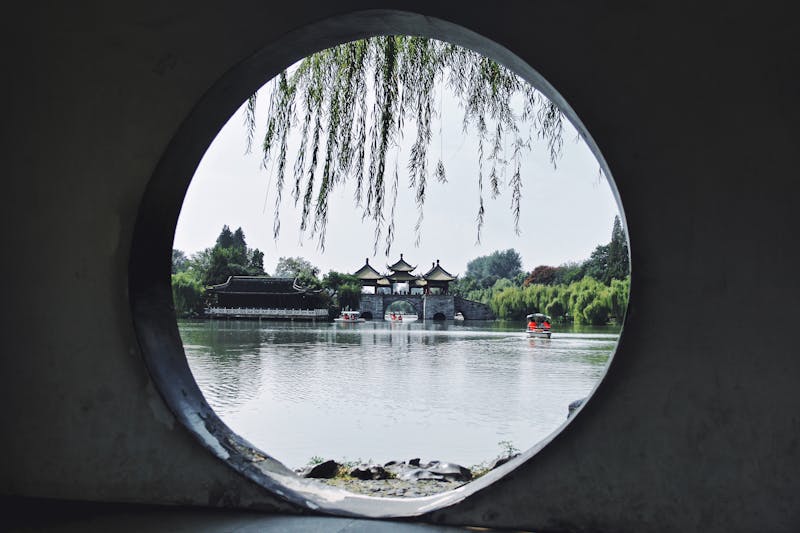
Morning: Visit Slender West Lake (¥100), Yangzhou's most famous attraction. The Five Pavilion Bridge is Slender West Lake's symbol.
Afternoon: Ge Garden (¥45) and He Garden (¥45). Then Daming Temple (¥30), climb Qiling Pagoda (¥25) for panoramic views.
Day 9: Yangzhou → Nanjing
Morning: Stroll through Yangzhou's old town, experience slow life. Pishi Street, Zhu Ziqing's Former Residence.
Afternoon: High-speed train back to Nanjing (about 1 hour, ¥97). Visit the Nanjing Massacre Memorial Hall (free, advance reservation required).
Day 10: Wrap-up + Departure
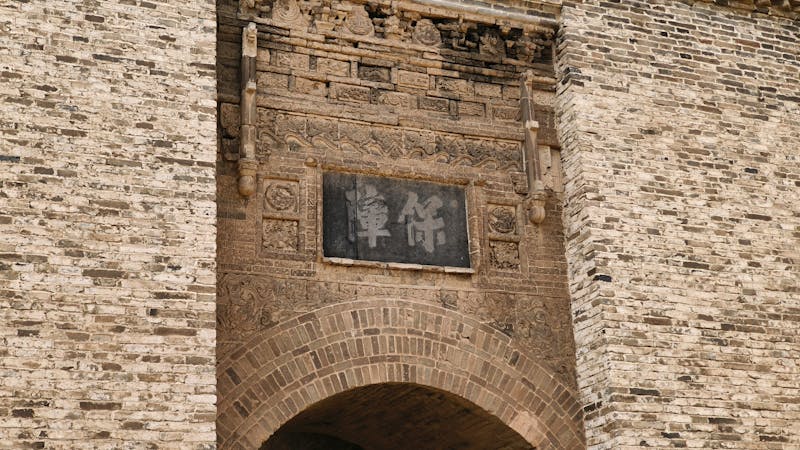
Morning: Walk along Nanjing City Wall (¥30), the world's longest ancient city wall. Browse Laomendong, buy Nanjing specialties.
Afternoon: Head to Nanjing Lukou Airport. Take Metro Line S1 (about 1 hour) or taxi (about ¥150).
What to Eat
Nanjing Cuisine
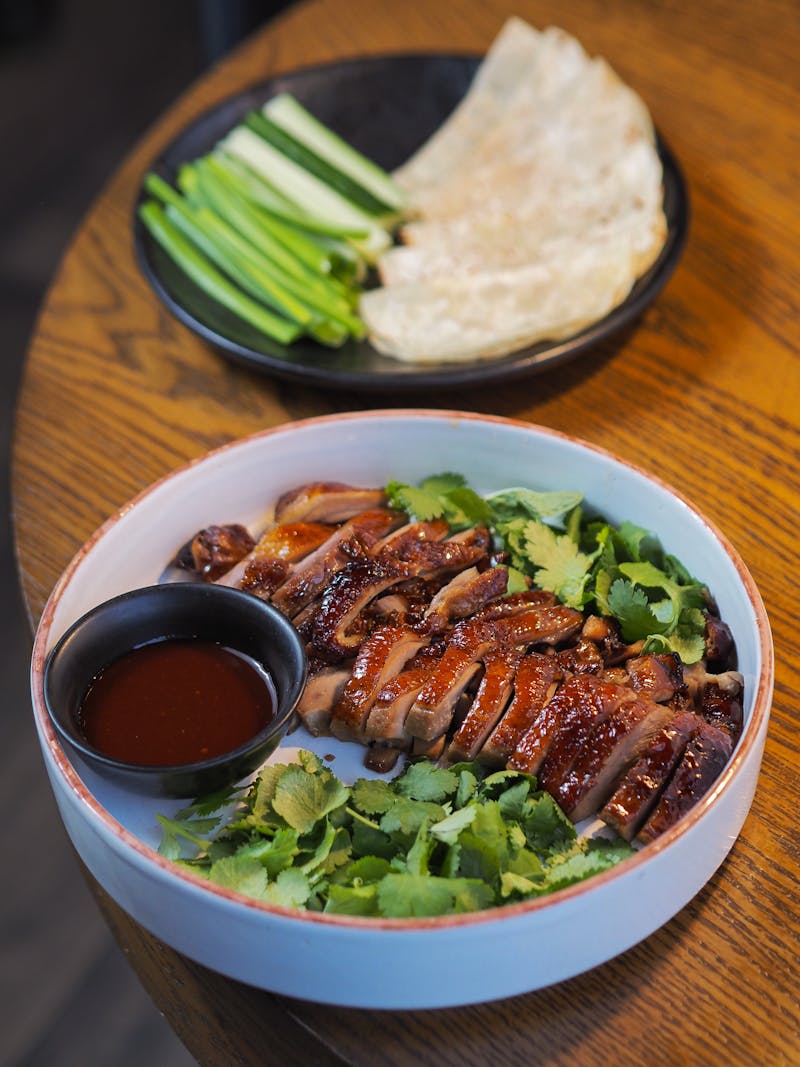
- Salted Duck: Nanjing's signature dish—Zhangyun Salted Duck, Jinhongxing Duck Shop
- Duck Blood Vermicelli Soup: Xiaopanji, Yadebao, Lao Shengqing
- Soup Dumplings: Old Gulou Soup Dumplings, Jiming Soup Dumplings
- Beef Potstickers: Li's Halal Restaurant
Suzhou Cuisine
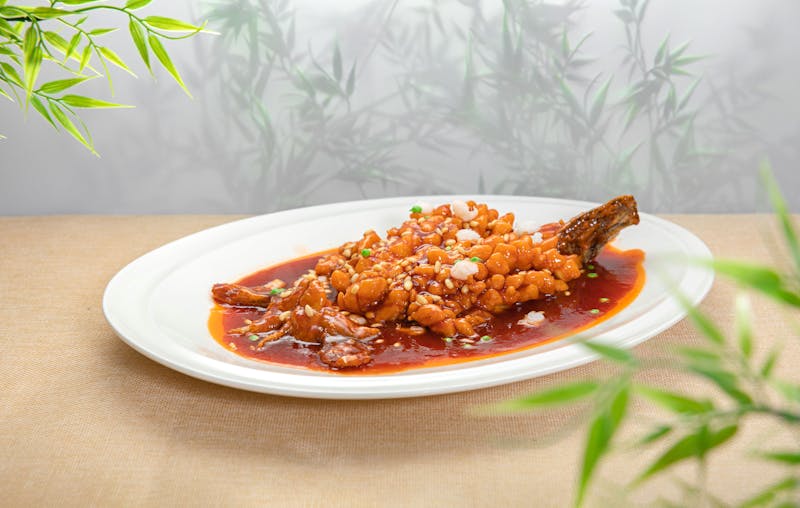
- Squirrel-Shaped Mandarin Fish: Representative Su-style dish—Songhelou, Deyuelou
- Sautéed Eel Paste: Suzhou specialty
- Suzhou-Style Noodles: Fengzhen noodles, Aozao noodles
Wuxi Cuisine
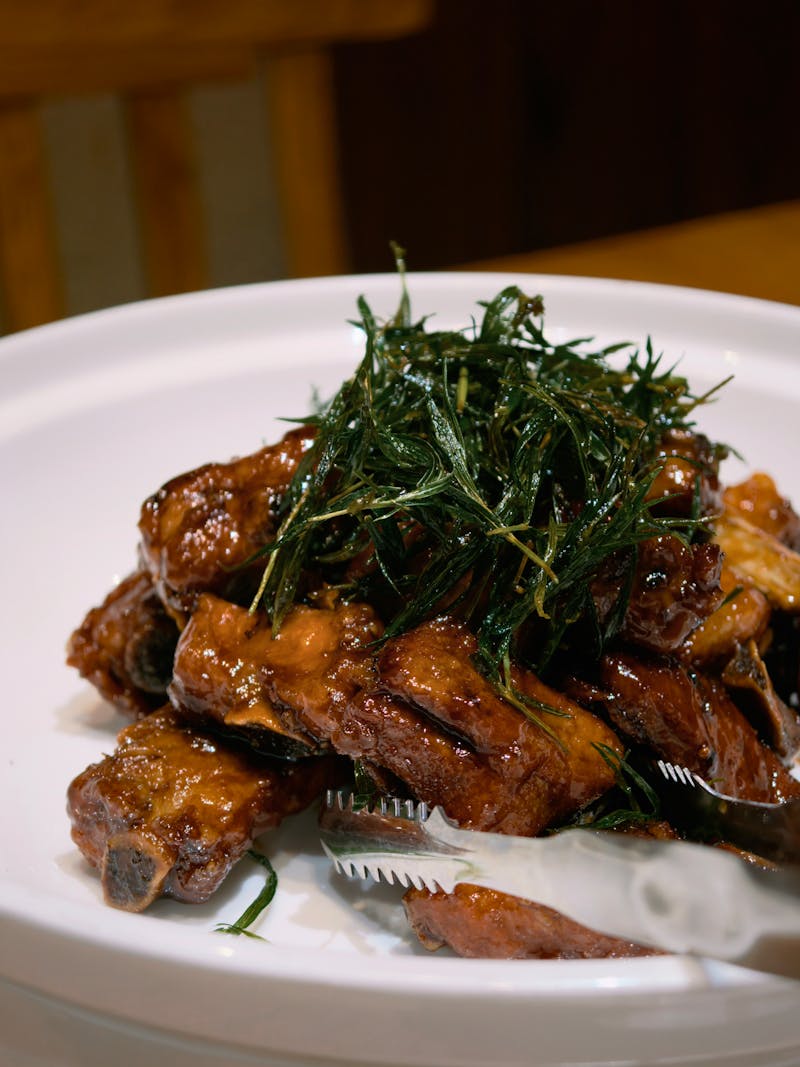
- Wuxi Pork Ribs: Sweet-sour flavor, Wuxi's signature
- Xiaolongbao: Thin skin and abundant broth
- Taihu Three Whites: White fish, white shrimp, silver fish
Yangzhou Cuisine
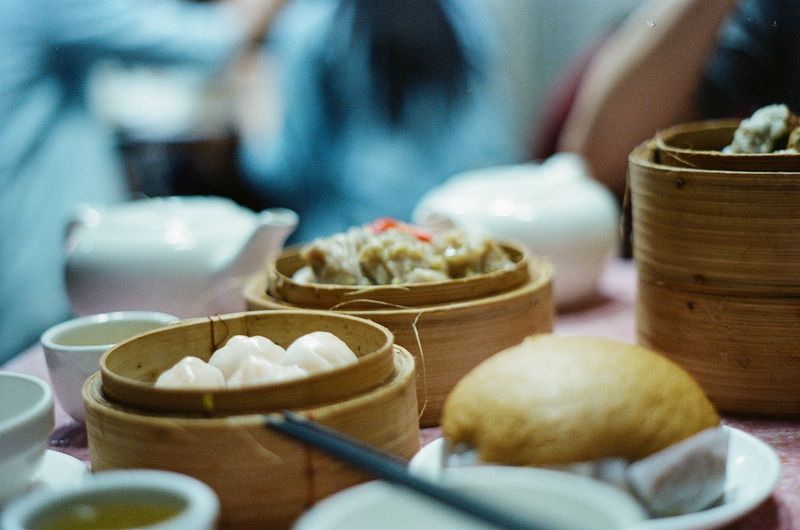
- Yangzhou Fried Rice: Yangzhou's signature
- Yangzhou Morning Tea: Fuchun Teahouse, Yechun Teahouse
- Lion's Head Meatball: Yangzhou's famous dish
- Boiled Shredded Dried Tofu: Yangzhou specialty
Where to Stay
- Nanjing: Xinjiekou (city center, most convenient), Confucius Temple (old town, beautiful night views), Xuanwu Lake (pleasant environment)
- Suzhou: Pingjiang Road (historic district, Jiangnan water town life), Guanqian Street (commercial district), Near Suzhou Station (convenient transport)
- Wuxi: Nanchang Street (by the ancient canal, beautiful night views), City Center (convenient transport)
- Yangzhou: Dongguan Street (old town, walking distance to Slender West Lake), Wenchang Pavilion (city center)
Getting Around
Jiangsu has a well-developed high-speed rail network:
- Nanjing → Suzhou: High-speed rail 1 hour
- Suzhou → Wuxi: High-speed rail 30 minutes
- Wuxi → Yangzhou: High-speed rail 1 hour
- Yangzhou → Nanjing: High-speed rail 1 hour
Recommended Apps: Metro Dahuidu (Nanjing), Sue Xing (Suzhou), Amap, Baidu Maps, Dianping, Meituan.
Practical Tips
Weather and Clothing
| Season | Temperature | Clothing | Notes |
|---|---|---|---|
| Spring (Mar-May) | 10-25°C | Light jacket + long sleeves | Plum rain season, bring umbrella |
| Summer (Jun-Aug) | 25-35°C | Short sleeves + sun protection | Hot and humid, prevent heatstroke |
| Autumn (Sep-Nov) | 15-28°C | Light jacket + long sleeves | Best travel season |
| Winter (Dec-Feb) | 0-10°C | Heavy coat + sweater | Damp cold feels worse than the north |
Reservation Reminders
- Nanjing Museum: Reserve 1-2 weeks ahead, tickets released at 6 PM
- Sun Yat-sen Mausoleum: Reserve in advance via WeChat official account
- Suzhou Museum: Reserve in advance via official website or WeChat
- Nanjing Massacre Memorial Hall: Reserve one week ahead
Pitfalls to Avoid
- Confucius Temple Street Food: Heavily commercialized, overpriced—go to Sanqibaxiang for authentic food
- Scenic Area Souvenirs: Same as Yiwu wholesale goods, expensive and not unique
- Holidays: Crowded—avoid if possible