City hero image

Datong

Ancient capital of the Northern Wei Dynasty and one of China's Nine Great Ancient Capitals—home to the magnificent UNESCO Yungang Grottoes and the gravity-defying Hanging Temple.

About

Datong stands as one of China's most historically significant cities in the north, a place where over 2,000 years of history converge. As the ancient capital of the Northern Wei Dynasty, this city witnessed a golden age of Buddhist art and cultural exchange that shaped East Asian civilization.

The crown jewel of Datong is undoubtedly the Yungang Grottoes, a UNESCO World Heritage Site that ranks among China's most spectacular treasures. Carved into sandstone cliffs between the 5th and 6th centuries, the grottoes contain over 51,000 Buddhist statues ranging from tiny figures to massive 17-meter Buddhas. These masterpieces represent the pinnacle of Northern Wei artistry and stand as a testament to the cultural fusion of Indian, Central Asian, and Chinese artistic traditions.

The Hanging Temple, clinging precariously to a sheer cliff face on Hengshan Mountain, defies architectural logic. Built over 1,500 years ago, this remarkable structure is the world's oldest wooden temple suspended from a cliff, uniquely combining Buddhist, Taoist, and Confucian elements under one roof.

Within the city, the Huayan and Shanhua Temples preserve magnificent Liao and Jin Dynasty architecture. The Huayan Temple's "Heavenly Palace Pavilion" miniature architecture inside the Sutra Hall is considered an unparalleled masterpiece of Chinese wooden craftsmanship. The Nine Dragon Wall, originally the spirit screen of a Ming Dynasty prince's residence, stands as the oldest and largest of its kind in China.

Datong's culinary heritage is equally distinguished. The city is famous as the "Home of Sliced Noodles," where skilled chefs shave dough into perfectly formed noodles with a distinctive curved knife. The Datong Sliced Noodles, with their smooth exterior and chewy interior, have been elevated to an art form recognized as national intangible cultural heritage.

Once known primarily as China's "Coal Capital," Datong has transformed itself into a cultural tourism destination. The restored Ancient City Wall, illuminated at night, encircles a revitalized historic district where traditional architecture meets modern amenities. The city's strategic location at the junction of Shanxi, Hebei, and Inner Mongolia has made it a gateway between China proper and the northern steppes for millennia.

Whether exploring ancient grottoes, marveling at the gravity-defying Hanging Temple, or savoring the city's famous noodles, visitors discover a place where history lives in every stone and every bowl.

👥
Population 3.05 million
📐
Area 14,176 km²
💬
Language Mandarin Chinese, Datong dialect. English spoken in hotels and major tourist sites.

History & Development

Datong's history spans over 2,000 years, with the area inhabited since the Warring States period. The city's greatest significance came during the Northern Wei Dynasty (386-534 AD), when Emperor Daowu moved the capital here in 398 AD, naming it Pingcheng.

As the Northern Wei capital for nearly a century, Pingcheng flourished as a center of Buddhism and cultural exchange. Emperor Wencheng initiated the construction of the Yungang Grottoes in 460 AD, commissioning the creation of magnificent Buddhist caves that would take decades to complete. This period saw an unprecedented fusion of Indian, Central Asian, and Chinese artistic traditions.

The city served as the secondary capital during the Liao (907-1125) and Jin (1115-1234) Dynasties, when many of its magnificent temples were built. The Huayan Temple, constructed in 1038 AD during the Liao Dynasty, and the Shanhua Temple, dating from the Tang Dynasty but extensively rebuilt during the Liao-Jin period, stand as testaments to this era.

During the Ming Dynasty (1368-1644), Datong became an important military garrison on the northern frontier. The city walls were constructed, and the Nine Dragon Wall was built as part of a prince's residence. The city's strategic position earned it the name "Northern Lock and Key."

In modern times, Datong developed as China's "Coal Capital," with coal mining driving economic growth throughout the 20th century. Since the early 2000s, the city has undergone a remarkable transformation, investing heavily in cultural heritage preservation and tourism development while diversifying its economy beyond coal.

Economy & Industries

Datong's economy has undergone a significant transformation from its traditional reliance on coal mining to a more diversified structure centered on cultural tourism, clean energy, and advanced manufacturing.

For decades, Datong was known as China's "Coal Capital," with coal production driving the local economy. The city's high-quality thermal coal was shipped nationwide, supporting China's industrialization. Today, while coal remains important, the industry has been modernized with focus on cleaner production methods and value-added products.

Cultural tourism has emerged as a major economic driver. The Yungang Grottoes, Hanging Temple, and other heritage sites attract millions of visitors annually. The city has invested heavily in tourism infrastructure, including the restoration of the Ancient City Wall and development of cultural districts. This shift has created thousands of jobs in hospitality, transportation, and cultural services.

The clean energy sector represents Datong's future-oriented development. The city has become a center for solar power equipment manufacturing and wind energy development. Its abundant sunshine and wind resources support renewable energy generation, while local factories produce solar panels for domestic and international markets.

Agriculture remains significant in surrounding counties, with specialty products including Huanghua (daylily), known as the "Gold of Datong," and premium millet. The city is also developing its food processing industry based on these agricultural products.

Datong's GDP reached approximately 181.5 billion yuan in 2025. The city's development strategy focuses on continuing the transition from coal-dependent industry to a more sustainable, service-oriented economy while preserving and promoting its extraordinary cultural heritage.

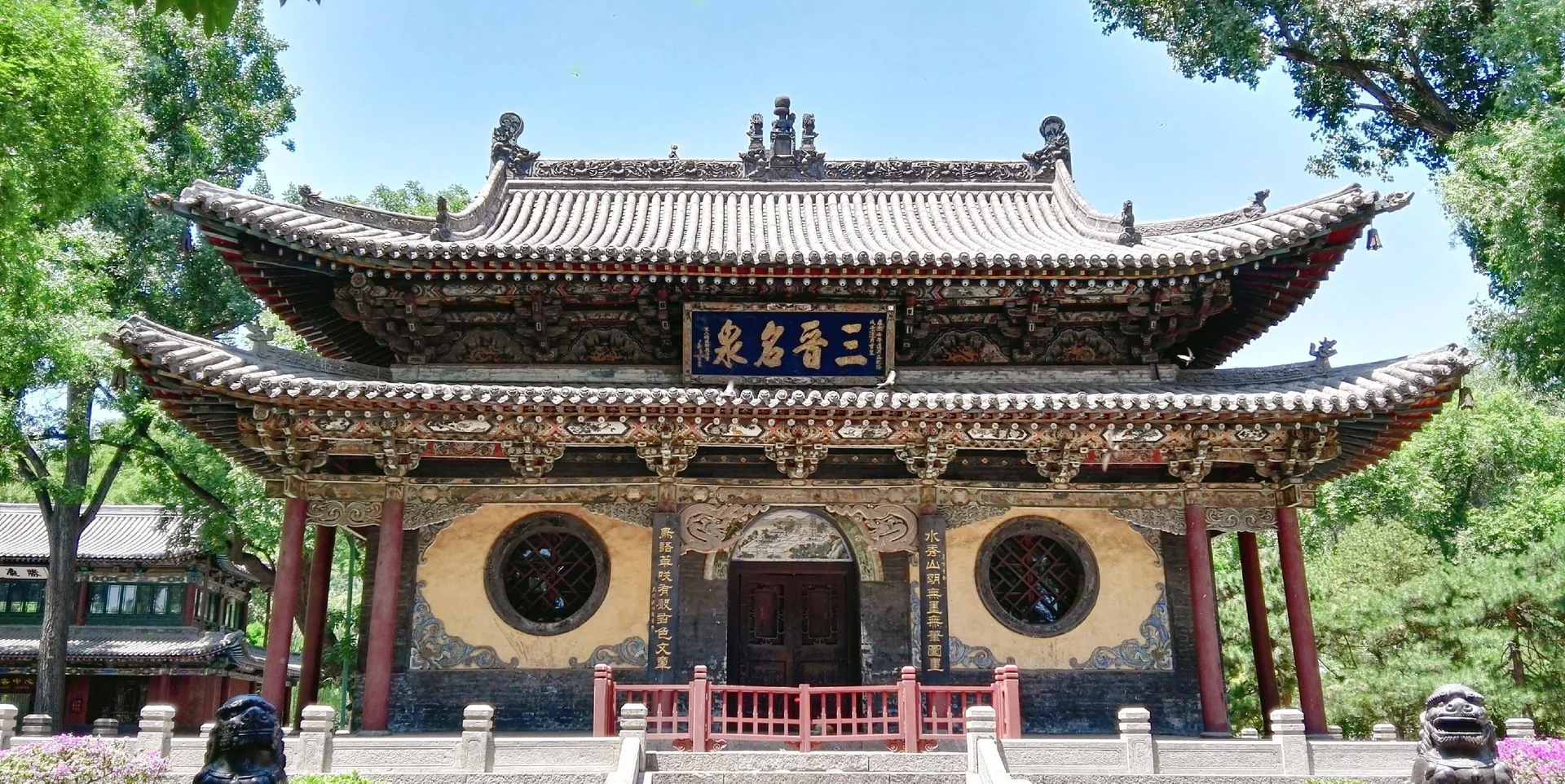
Top Attractions

📍 Other

Yungang Grottoes

A UNESCO World Heritage Site featuring over 51,000 Buddhist statues carved into sandstone cliffs between the 5th and 6th centuries. The massive Buddhas and intricate reliefs represent the pinnacle of Northern Wei artistry and cultural fusion.

★★★★★ 5
🕐 8:30 AM-5:30 PM
🎫 ¥120
⛩️ Temple

Hanging Temple

The world's oldest wooden temple suspended from a sheer cliff face, built over 1,500 years ago. Uniquely combines Buddhist, Taoist, and Confucian elements. A marvel of ancient engineering that seems to defy gravity.

★★★★ 4.8
🕐 8:00 AM-5:00 PM
🎫 ¥130
⛩️ Temple

Huayan Temple

One of China's three surviving Liao Dynasty temples, built in 1038 AD. The "Heavenly Palace Pavilion" miniature architecture inside the Sutra Hall is considered an unparalleled masterpiece of Chinese wooden craftsmanship.

★★★★ 4.7
🕐 8:30 AM-5:30 PM
🎫 ¥65
⛩️ Temple

Shanhua Temple

A perfectly preserved Liao-Jin Dynasty temple complex with the most complete layout of its era. Houses 34 golden-era sculptures and features four buildings dating from the Liao and Jin dynasties.

★★★★ 4.6
🕐 8:30 AM-5:30 PM
🎫 ¥40
📍 Other

Datong Ancient City Wall

Ming Dynasty city walls with a total circumference of 7.24 km. Beautifully restored and illuminated at night, offering panoramic views of the historic city and surrounding mountains.

★★★★ 4.5
🕐 8:00 AM-9:00 PM
🎫 ¥30
📍 Other

Nine Dragon Wall

The oldest and largest of China's three Nine Dragon Walls, built in 1392 as the spirit screen for a Ming Dynasty prince's residence. Features nine vivid dragons in colorful glazed tiles.

★★★★ 4.4
🕐 8:30 AM-5:30 PM
🎫 ¥10
📍 Other

Hengshan Mountain

The Northern Great Mountain of China's Five Sacred Mountains, rising 2,016 meters. Features ancient temples, pine forests, and the famous Hanging Temple in its Golden Dragon Canyon.

★★★★ 4.5
🕐 8:00 AM-6:00 PM
🎫 ¥45

Food & Culture

Discover the culinary treasures of Datong, from traditional street food to imperial cuisine.

Things to Do

🏛️

Yungang Grottoes Exploration

Marvel at ancient Buddhist art carved into sandstone cliffs over 1,500 years ago.

⛩️

Hanging Temple Visit

Experience the thrill of walking through a temple suspended from a sheer cliff.

Ancient City Wall Walk

Walk or cycle along the restored Ming Dynasty walls with panoramic city views.

🍴

Noodle Tasting Tour

Sample authentic Datong sliced noodles at legendary local establishments.

Getting Around

✈️

Airport

Datong Yungang Airport (DAT) - 15 km from city center

🚄

High-Speed Rail

Connected to major cities

🚌

Bus Network

Extensive network throughout the city

🚕

Taxi & Rideshare

Available throughout the city

Best Time to Visit

🌸

Spring

Apr - Jun

★★★★★

Mild temperatures and blooming flowers. Ideal for outdoor exploration.

  • Comfortable weather
  • Flower blossoms
  • Clear skies
☀️

Summer

Jul - Aug

★★★★☆

Cool summers compared to much of China—a great escape from heat. Occasional rain.

  • Cool escape
  • Lush scenery
  • Summer festivals
🍂

Autumn

Sep - Oct

★★★★★

Cool and crisp with golden autumn colors—peak season for sightseeing.

  • Best weather
  • Autumn foliage
  • Harvest season
❄️

Winter

Nov - Mar

★★★☆☆

Cold but often clear. Indoor museums and hot pot make for cozy experiences. Fewer tourists.

  • Fewer crowds
  • Hot pot season
  • Snow scenery

🎉 Festivals & Events

Lunar New Year period
Datong Lantern Festival

Spectacular lantern displays on the Ancient City Wall and throughout the historic district.

August
Yungang Cultural Tourism Festival

Annual festival celebrating Datong's heritage with performances, exhibitions, and cultural activities.

💡 Weather Tips

Bring layers for mountain visits. Winter requires warm clothing.

Travel Reminders

☀️

sightseeing

Visit in the morning for the best light for photography. The site is vast—allow at least 3 hours.

💡

sightseeing

Arrive early morning or late afternoon to avoid long queues. The narrow walkways get very crowded.

💡

food

Try the famous Datong Sliced Noodles at established shops. Watch the skilled chefs shave noodles to order.

💡

transportation

Hanging Temple is 65 km from downtown—allow a full day for the round trip. Taxis and tour buses available.

Continue Exploring China

Discover more cities, food guides, and travel inspiration.