City hero image

Handan

Ancient capital of the Zhao State—where 3,000 years of history meets modern steel and equipment manufacturing.

About

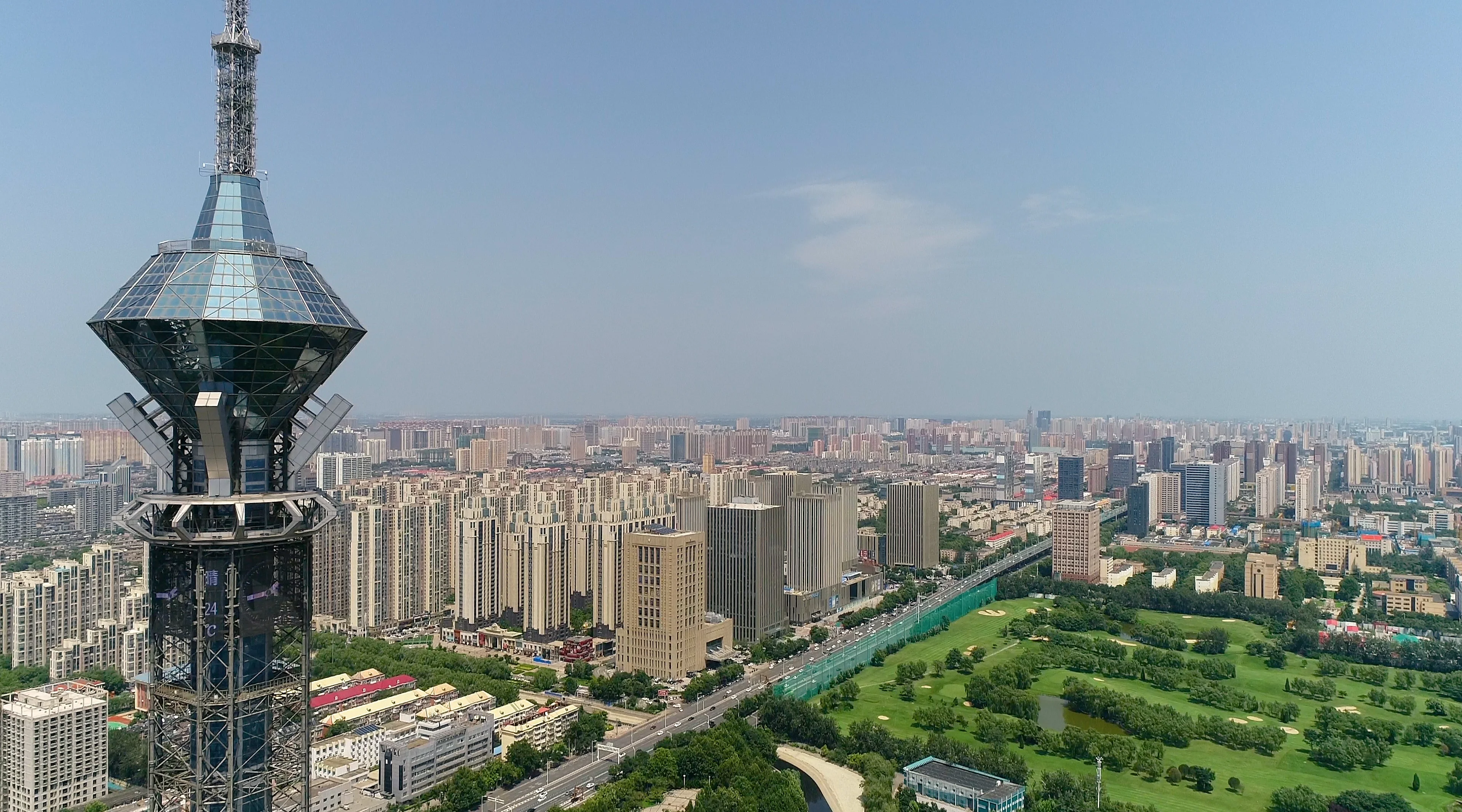
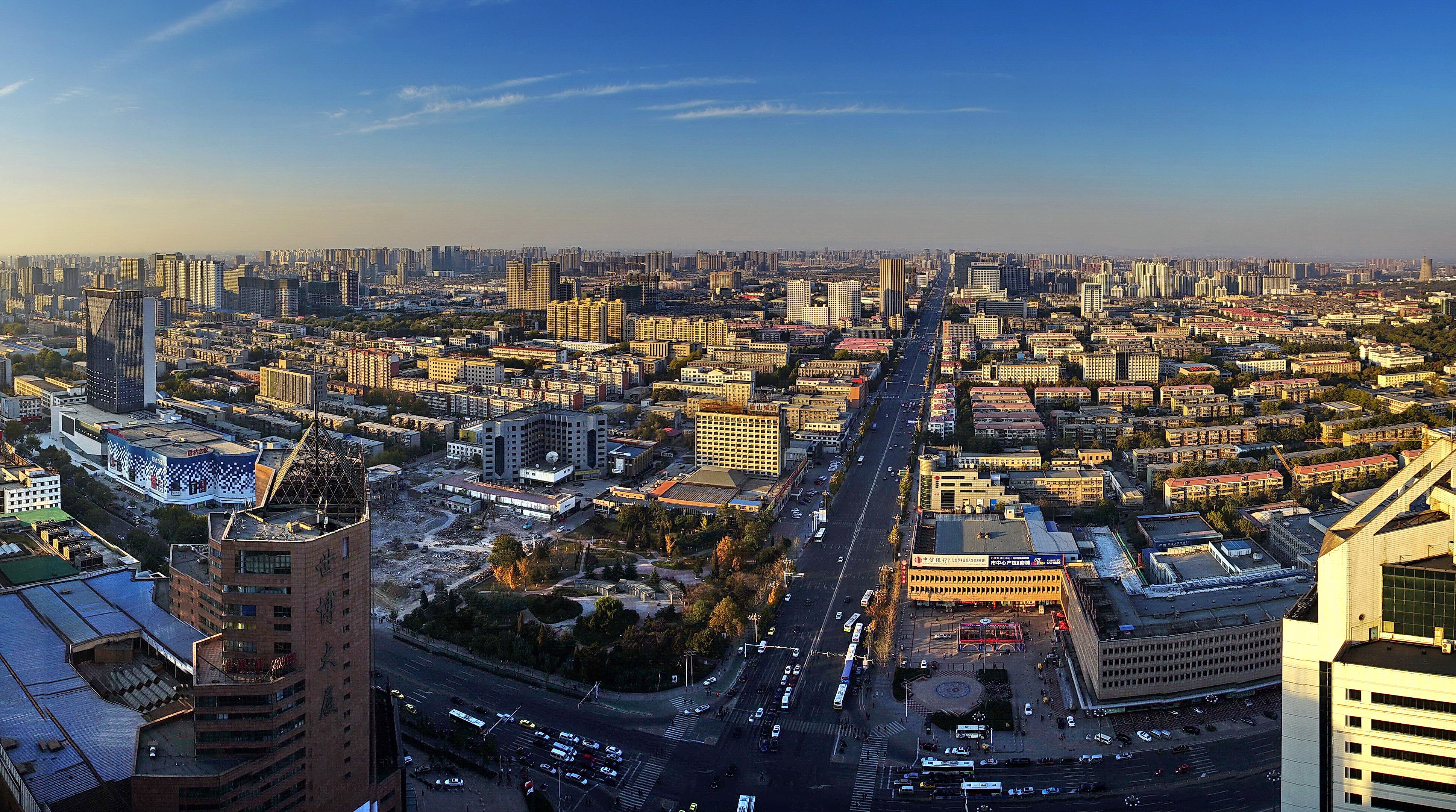
Handan, a city of nearly 10 million people in southern Hebei Province, is one of China's most historically significant urban centers. It served as the capital of the Zhao Kingdom during the Warring States period (475-221 BC) and was among the largest cities in the world at the time. Over 1,500 Chinese idioms and historical tales originate from Handan, earning it the title "the city of idioms."

The city's modern economy is anchored by steel production, equipment manufacturing, and a growing agricultural processing sector. While not as wealthy as its eastern coastal counterparts, Handan is a major industrial base in Hebei, with a GDP of approximately 550 billion yuan. Its strategic location at the junction of Hebei, Henan, and Shandong provinces makes it an important regional transport hub.

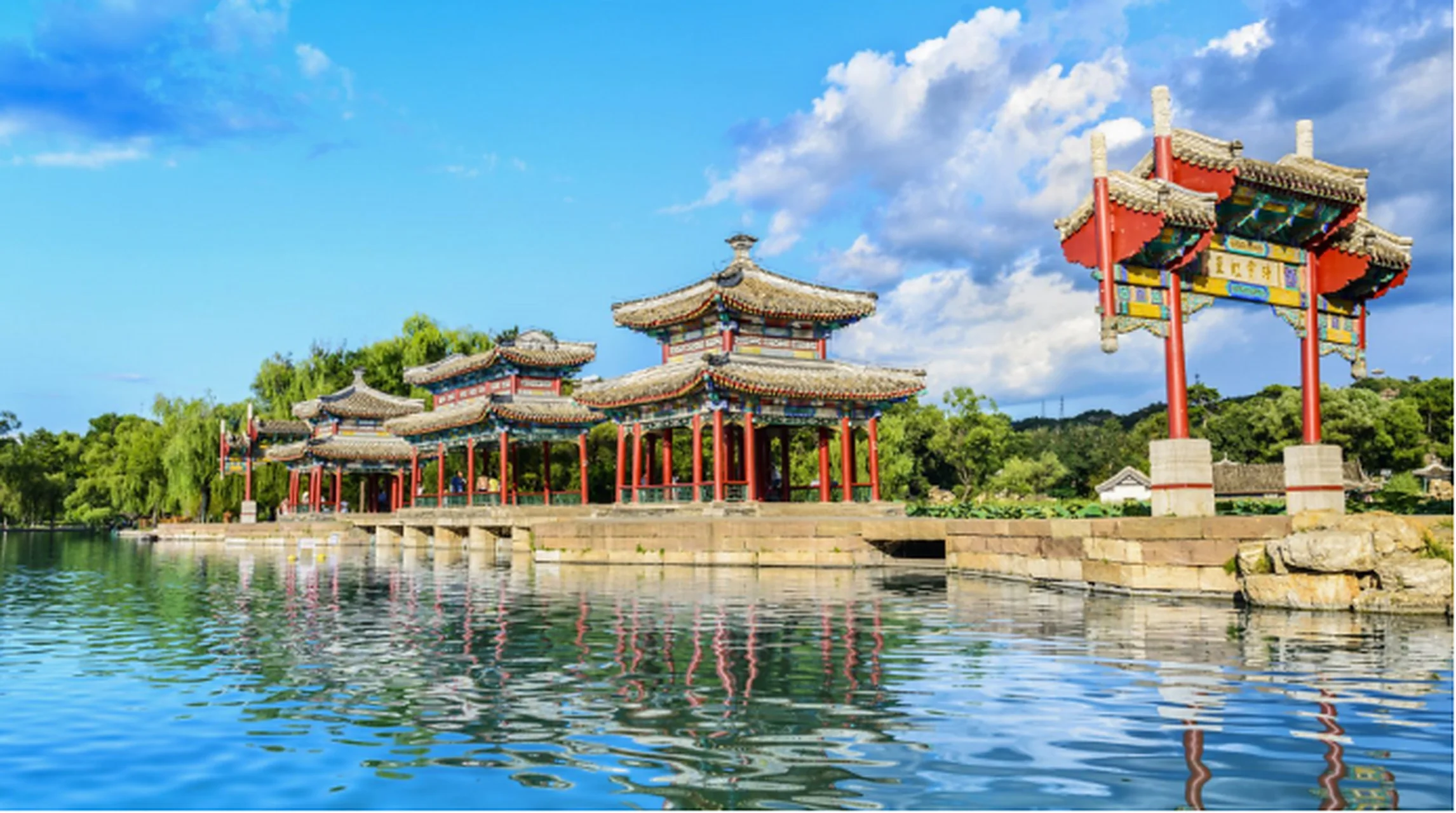
Handan's cultural treasures span millennia. The Wahuang Temple (Nüwa Temple) clings dramatically to a cliff face north of the city, while Congtai Terrace stands as a 2,300-year-old symbol of Zhao Kingdom power. The Jingniang Lake and surrounding mountains provide natural escapes with limestone karst landscapes. The city's ancient streets and traditional food culture make it a fascinating destination for history buffs.

History & Development

Handan's history stretches back over 3,000 years. Its golden age was the Warring States period (475-221 BC), when it served as the capital of the Zhao Kingdom. Zhao was one of the seven major powers of the era, and Handan was its magnificent capital, a walled city of over 170,000 inhabitants. King Wuling of Zhao, one of China's most innovative rulers, introduced "barbarian clothing and mounted archery" reforms here, revolutionizing Chinese warfare.

The Qin Dynasty unified China in 221 BC, ending Zhao's independence, but Handan remained an important regional center. During the Han Dynasty, it was a renowned commercial city. The Three Kingdoms period saw Handan as a strategic prize fought over by Cao Cao and rival warlords.

The Sui and Tang dynasties brought stability, and Handan continued as a trading hub. The famous tale of "Handan Dream" (the origin of the idiom "Yellow Millet Dream") was set here during the Tang Dynasty, reflecting the city's cultural prominence.

In the modern era, Handan industrialized around coal and iron ore resources. The 1970s and 1980s saw rapid expansion of steel mills and equipment factories. The Handan Iron and Steel Group became a nationally recognized model of modern enterprise management. Today, the city balances heavy industrial output with cultural heritage preservation and environmental improvement.

Economy & Industries

Handan's economy, with a GDP of approximately 550 billion yuan, is built on three pillars: steel and metallurgy, equipment manufacturing, and modern agriculture.

Steel is the dominant industry. Handan Iron and Steel Group (Hansteel), one of China's major steel enterprises, produces over 10 million tons of steel annually. The city's steel cluster includes dozens of downstream processing plants producing special steel, pipes, and structural components. The development of the Handan Economic Development Zone has attracted investment in clean steel production and energy-efficient technologies.

Equipment manufacturing is the second major sector. Handan produces mining machinery, agricultural equipment, electrical transformers, and construction vehicles. The city's long industrial tradition has created a deep talent pool of engineers and skilled technicians.

Modern agriculture leverages Handan's position on the North China Plain—one of China's most fertile agricultural regions. The city is a major producer of wheat, cotton, peanuts, and fruits. Processed agricultural products, including cooking oils, flour, and packaged snacks, are shipped nationwide.

Tourism is a growing sector. The Wahuang Temple, Congtai Terrace, and Zhao Kingdom ruins attract cultural tourists. The Jingniang Lake and mountain areas draw weekend visitors from nearby Beijing and Shijiazhuang. Handan's government is investing in heritage tourism infrastructure to boost the service economy.

Top Attractions

🏛️ Landmark

Congtai Terrace

The iconic symbol of Handan—a magnificent earthen platform built by King Wuling of Zhao in 325 BC. Originally used for military reviews and royal ceremonies, the 26-meter-high terrace offers sweeping views of the city. The surrounding Congtai Park features Ming Dynasty pavilions, ancient steles, and the Seven Sages Shrine. The terrace has been rebuilt many times but retains its Warring States grandeur.

★★★★ 4.5
🕐 8:00 AM-6:00 PM
🎫 ¥25
⛩️ Temple

Wahuang Temple

A stunning temple complex clinging to a sheer cliff face, dedicated to Nüwa—the goddess who, in Chinese mythology, created humanity and repaired the sky. Built during the Northern Qi Dynasty (550-577 AD), the main hall hangs from the mountainside supported by iron chains, earning it the nickname "the suspended temple." The site includes ancient cliff-carved Buddhist sutras dating to the 6th century.

★★★★ 4.7
🕐 8:00 AM-5:30 PM
🎫 ¥60
🎭 Museum

Zhao Wang City Ruins

The archaeological remains of the ancient Zhao Kingdom capital, which was one of the largest cities in the world during the Warring States period (475-221 BC). The rectangular walled city covered 17 square kilometers, with palace foundations, defensive ramparts, and royal workshops clearly visible. The on-site museum displays bronze weapons, jade ornaments, and pottery excavated from the site.

★★★★ 4.3
🕐 8:30 AM-5:00 PM
🎫 ¥30
🏔️ Nature

Jingniang Lake

A scenic reservoir lake surrounded by steep limestone cliffs and dense forests, about 60km northwest of Handan. Named after a Tang Dynasty legend about a beautiful maiden (Jingniang) rescued by a heroic swordsman. The lake offers boat cruises, a glass-bottomed suspension bridge, and hiking trails. In autumn, the surrounding mountains are ablaze with red and gold foliage.

★★★★ 4.4
🕐 8:00 AM-6:00 PM
🎫 ¥70
🏛️ Landmark

Ancient Handan Street

A restored historical street in the old city center, featuring Qing Dynasty architecture, traditional shop fronts, and stone-paved lanes. The street is famous for the "Handan Dream" story—the idiom "Handan Dream" comes from a Tang Dynasty tale about a man who dreamed of a lifetime of glory while cooking millet here. The street comes alive at night with lanterns, street food vendors, and traditional performances.

★★★★ 4.2
🕐 Open daily
🎫 Free
🏔️ Nature

Longgong Mountain

A dramatic karst limestone mountain featuring natural caves, underground rivers, and ancient Taoist temples. The main cave system extends over 2 kilometers with stalactites, stalagmites, and underground waterfalls illuminated by colored lights. Local legend claims this was the underwater palace of the Dragon King. The mountain also has hiking trails through wildflower meadows.

★★★★ 4.2
🕐 8:00 AM-5:00 PM
🎫 ¥50
🏔️ Nature

Yesan San You

A scenic area of three interconnected valleys—each with its own character: the Valley of the Sages with ancient temples, the Valley of Water with streams and waterfalls, and the Valley of Peaks with dramatic rock formations. This is Handan's best destination for hiking, photography, and escaping summer heat. Wild peach blossoms in spring create a pink carpet across the valley floors.

★★★★ 4.3
🕐 8:00 AM-5:00 PM
🎫 ¥40

Food & Culture

Discover the culinary treasures of Handan, from traditional street food to imperial cuisine.

Things to Do

🏛️

Wahuang Temple Pilgrimage

Visit the cliff-hanging temple dedicated to the goddess Nüwa.

Congtai Park Stroll

Walk the grounds of Handan's 2,300-year-old royal terrace.

🏛️

Zhao Ruins Exploration

Walk through the remains of the ancient Zhao capital.

Jingniang Lake Boat Ride

Cruise the scenic reservoir surrounded by limestone cliffs.

🏛️

Ancient Street Night Walk

Experience the lantern-lit historic district and street food.

🏛️

Idiom Culture Tour

Visit sites connected to Handan's 1,500 Chinese idioms.

Getting Around

✈️

Airport

Handan Airport (15km)

🚄

High-Speed Rail

Handan East Station (2h to Beijing, 1h to Shijiazhuang, 2.5h to Zhengzhou)

🚇

Metro

No metro. Public buses and taxis serve the city.

Best Time to Visit

🌸

Spring

Mar - May

★★★★★

Mild and pleasant. Wild peach blossoms at Yesan San You.

  • Wildflowers
  • Comfortable hiking
  • Temple visits
☀️

Summer

Jun - Aug

★★★☆☆

Hot and dry. Jingniang Lake and mountain areas offer cool retreat.

  • Mountain escapes
  • Jingniang Lake
  • Indoor museums
🍂

Autumn

Sep - Nov

★★★★★

Golden season with crisp air and colorful foliage.

  • Best weather
  • Autumn colors
  • Idyllic hiking
❄️

Winter

Dec - Feb

★★☆☆☆

Cold and dry. Snow occasionally enhances the ancient sites.

  • Snow at Wahuang Temple
  • Fewer tourists
  • Warm local stews

Continue Exploring China

Discover more cities, food guides, and travel inspiration.