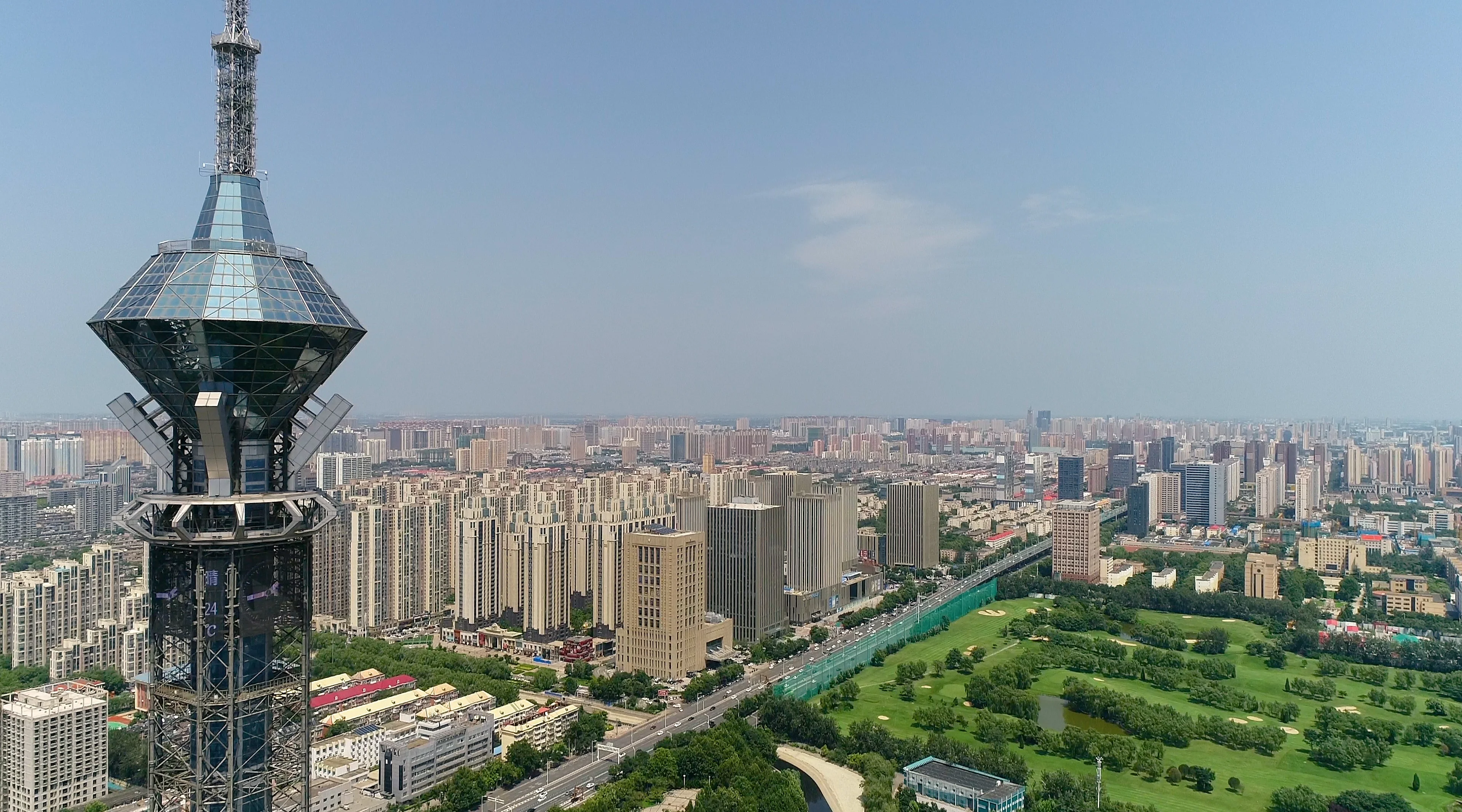
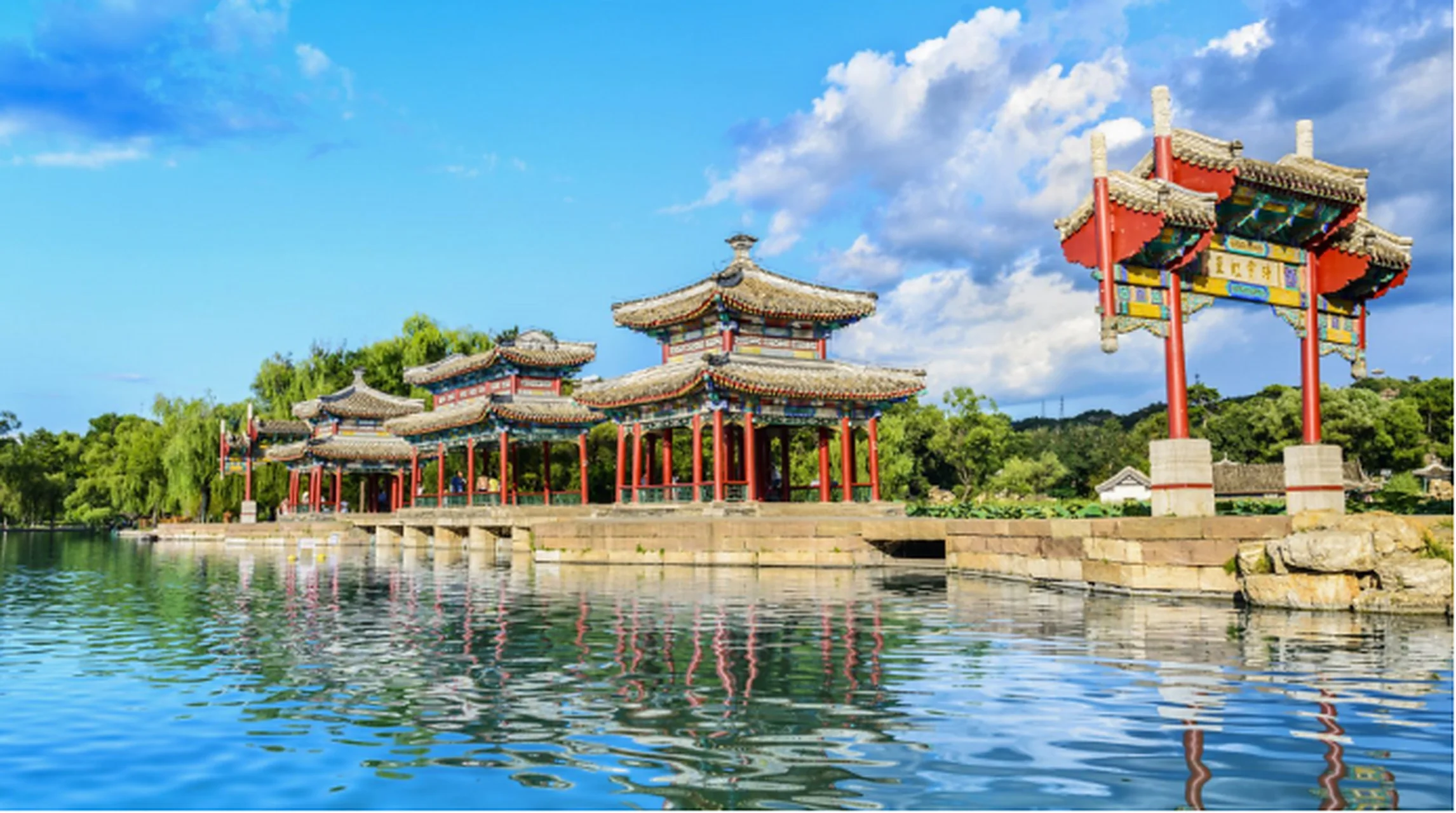
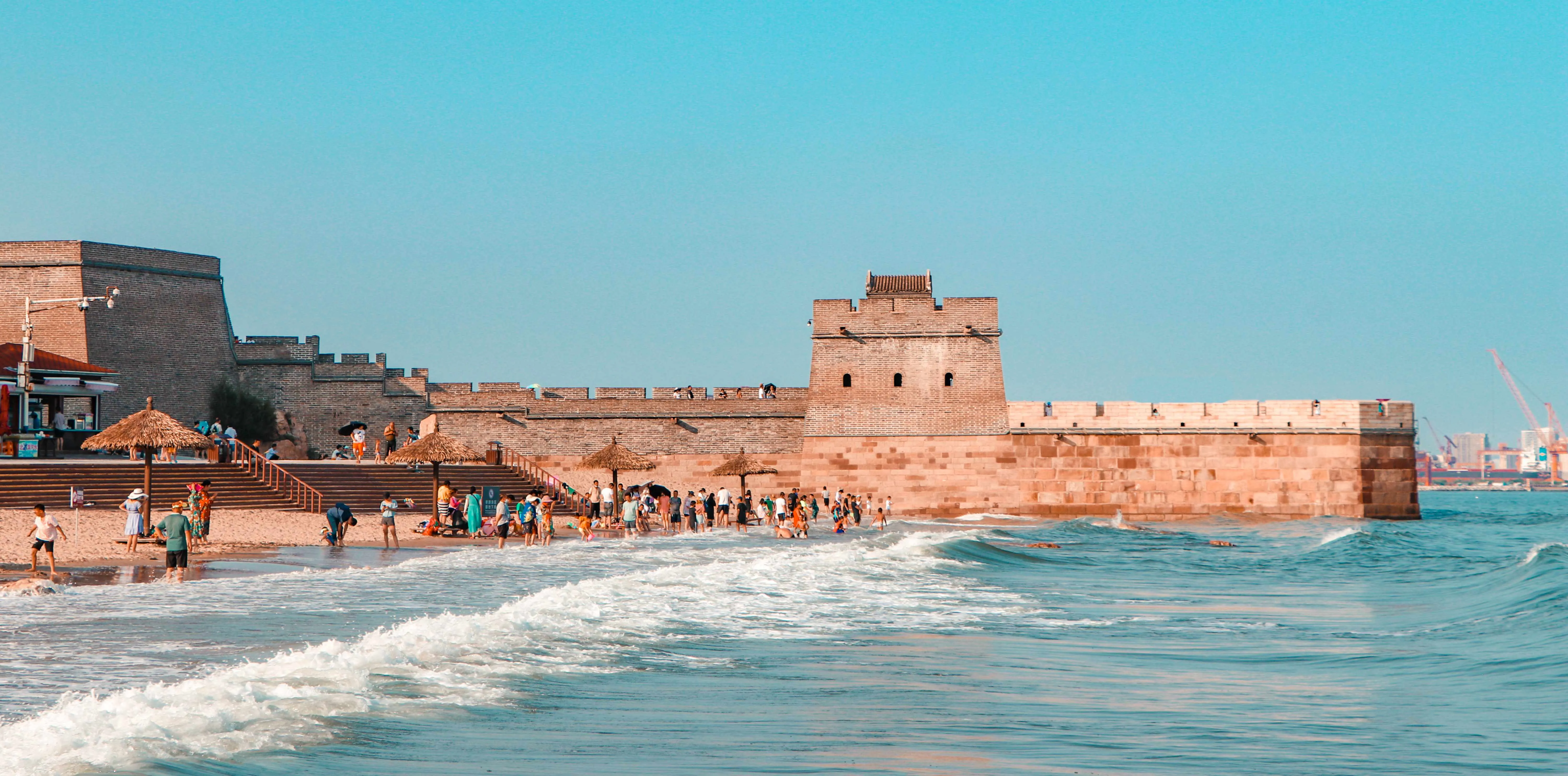
City hero image

Tangshan

A world steel titan—HBIS Group is the globe's largest steelmaker—rising from the ashes of the 1976 earthquake.

About

Tangshan, a heavy-industrial powerhouse on the Bohai Bay coast of Hebei Province, is the global capital of steelmaking. The city is headquarters to HBIS Group (formerly Hebei Iron and Steel Group), the world's largest steel producer by volume, operating mills across China and abroad. This industrial might is matched by Tangshan's remarkable story of survival and rebirth.

In 1976, the Great Tangshan Earthquake—magnitude 7.8—killed over 240,000 people and destroyed nearly the entire city. Out of that devastation emerged a completely rebuilt modern metropolis, earning Tangshan the nickname "the Phoenix City." Today, Tangshan is a symbol of Chinese resilience and determination.

The city's industrial landscape extends from the massive Caofeidian deep-water port—one of the world's busiest bulk cargo ports—to sprawling steel mills, petrochemical complexes, and ceramics factories that produce fine porcelain for domestic and export markets. Tangshan ceramics have been famous since the Ming Dynasty. The Eastern Qing Tombs, a UNESCO World Heritage site, provides a stunning counterpoint of imperial history and architectural grandeur.

History & Development

Tangshan's history as a settlement dates back over 4,000 years, but its modern identity begins in the late 19th century. In 1878, the Qing government established the Kailuan Mining Administration, opening one of China's first modern coal mines. The Kailuan Railway, built in 1881, was China's first standard-gauge railway, and the mine's steam locomotives were among the first in Asia.

The discovery of high-quality iron ore in the surrounding mountains led to the establishment of steel mills in the early 20th century. Tangshan's ceramics industry, already producing fine porcelain for the imperial court, expanded into industrial ceramics. By the 1920s, Tangshan had become northern China's most important industrial city.

The defining event of Tangshan's history occurred on July 28, 1976, at 3:42 AM. The earthquake destroyed 90% of buildings and killed an estimated 242,000 people. International aid arrived, and the Chinese government mounted the largest reconstruction effort in modern history. Within a decade, Tangshan had been completely rebuilt with earthquake-resistant construction standards.

Since the 1990s, Tangshan has undergone further transformation. The Caofeidian port and industrial zone, built in the 2000s, opened the city to global maritime trade. HBIS Group was formed in 2008 through the merger of multiple Hebei steel companies, creating the world's largest steel enterprise.

Economy & Industries

Tangshan's economy, with a GDP exceeding 900 billion yuan, is fundamentally defined by steel, port logistics, ceramics, and heavy equipment manufacturing.

Steel is the overwhelming dominant industry. HBIS Group, headquartered in Tangshan, is the world's largest steel producer with annual crude steel output exceeding 40 million tons. The group operates integrated steel mills across China, Canada, South Africa, and Serbia. Tangshan's steel industrial cluster includes over 200 steel-related enterprises, forming a complete value chain from iron ore processing to finished products.

Port logistics is the second economic pillar. Caofeidian Port, built in 2005, has 70+ berths and handles over 400 million tons of cargo annually, primarily iron ore, coal, steel products, and crude oil. The port is the main import gateway for iron ore feeding China's northern steel mills. The Caofeidian Industrial Zone hosts steel processing, petrochemical refining, and shipbuilding facilities.

Ceramics are Tangshan's traditional strength. The city has been a ceramics center since the Ming Dynasty and now produces both fine tableware and industrial ceramics. Tangshan ceramic brands are sold in over 100 countries.

Heavy equipment manufacturing includes mining machinery, port equipment, and construction vehicles. The city's 140-year industrial heritage has created a skilled workforce and supporting ecosystem unmatched in northern China. Tourism, centered on the Eastern Qing Tombs and earthquake memorial sites, is a growing sector.

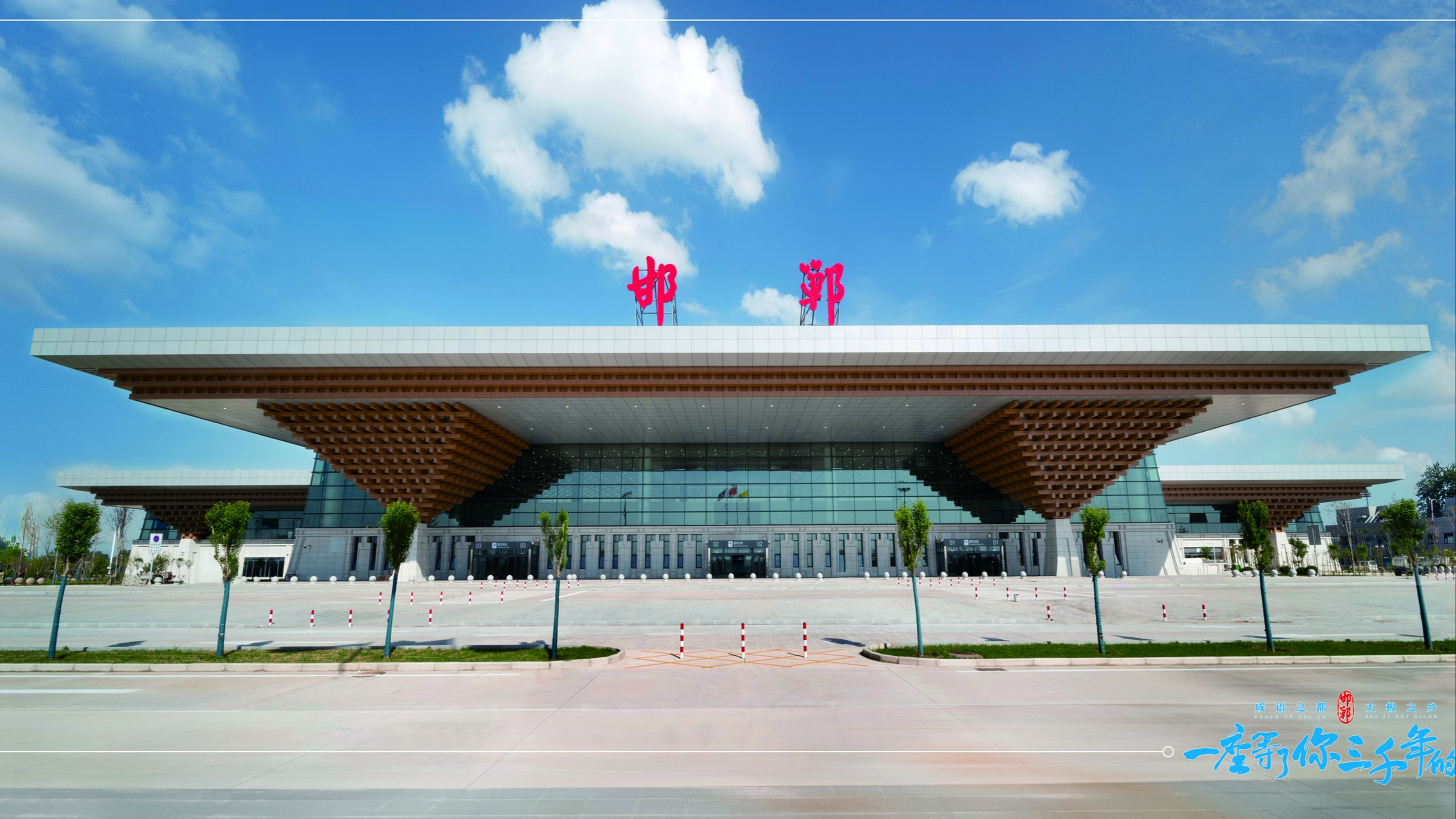
Top Attractions

🏛️ Landmark

Eastern Qing Tombs

A UNESCO World Heritage site and the largest, best-preserved imperial mausoleum complex in China. Located at the foot of Changrui Mountain, spanning 80 square kilometers, the complex houses the tombs of 5 emperors, 4 empresses, and 136 imperial concubines of the Qing Dynasty. The main attraction is the Xiaoling Tomb of Emperor Shunzhi, the Yuling Tomb of Emperor Qianlong with its exquisitely carved stone reliefs, and the Dingdongling Tomb of Empress Dowager Cixi with its golden hall.

★★★★ 4.8
🕐 8:00 AM-5:00 PM
🎫 ¥120
🎭 Museum

Tangshan Earthquake Memorial

A profoundly moving museum documenting the 1976 Tangshan earthquake—magnitude 7.8—which claimed over 240,000 lives and flattened 90% of the city. The memorial park features a striking sculpture complex, the preserved original ground fissure site, and a museum with photographs, personal artifacts, and multimedia exhibits. The adjacent Earthquake Memorial Wall, inscribed with victims' names, stretches 493 meters.

★★★★ 4.7
🕐 9:00 AM-5:00 PM (Closed Mondays)
🎫 Free
🌳 Park

South Lake Park

A remarkable urban transformation story—once a massive collapsed-area pit from coal mining, now a 28-square-kilometer ecological park. The largest urban central park in China, South Lake features wetlands, flower gardens, a waterfall, and a dramatic lakeside light show. The park is a symbol of Tangshan's post-industrial green transition, hosting the 2016 World Horticultural Exposition.

★★★★ 4.5
🕐 6:00 AM-10:00 PM
🎫 Free
🏛️ Landmark

Caofeidian Port

A deep-water port on the Bohai Bay coast, named after a legendary Tang Dynasty princess. Built in the 2000s as a strategic national project, it handles over 400 million tons of cargo annually, making it one of the largest bulk ports in the world. The port area includes the Caofeidian Industrial Park with steel mills, petrochemical plants, and shipbuilding facilities. Visitors can watch massive freighters loading ore and coal.

★★★★ 4.1
🕐 Viewing area open daily
🎫 Free
🏔️ Nature

Qingdongling (Eastern Qing Tombs)

The broader scenic area surrounding the Eastern Qing Tombs includes the Changrui Mountain Nature Reserve, with hiking trails through pine forests, traditional Manchu villages where descendants of imperial tomb keepers still live, and the Sacred Way—a long path lined with 18 pairs of stone animals and officials. The area is especially beautiful in the golden autumn season.

★★★★ 4.4
🕐 8:00 AM-5:00 PM
🎫 ¥50
🏔️ Nature

Panlong Lake Mountain

A scenic reservoir area 70km north of Tangshan, known as "the little Guilin of Hebei." The lake winds between limestone karst peaks, creating landscapes reminiscent of southern China. Boat tours, waterside hiking trails, and a lakeside resort make this a popular weekend getaway. The nearby Panlong Mountain has a 1,000-year-old Taoist temple perched on a cliff.

★★★★ 4.3
🕐 8:00 AM-6:00 PM
🎫 ¥60
🎭 Museum

Kailuan National Mine Park

Located at the historic Kailuan Coal Mine—one of China's first modern coal mines, opened in 1878. The park preserves the original mining shafts, steam locomotives, and industrial buildings. Visitors can descend 100 meters underground to experience a real coal mining tunnel and learn about the lives of miners. The museum traces the 140-year history of the Kailuan Mining Administration.

★★★★ 4.3
🕐 8:30 AM-5:00 PM
🎫 ¥70

Food & Culture

Discover the culinary treasures of Tangshan, from traditional street food to imperial cuisine.

Things to Do

🏛️

Eastern Qing Tombs Tour

Explore the UNESCO imperial tombs of the Qing emperors.

🏛️

Earthquake Memorial Visit

Honor the victims and understand Tangshan's rebirth story.

South Lake Park Walk

Enjoy China's largest urban park built on a former coal mining subsidence area.

Caofeidian Port Tour

Watch massive bulk carriers at one of the world's busiest ports.

🏛️

Mine Park Underground

Descend 100 meters into a real coal mine tunnel.

🏛️

Ceramics Shopping

Buy Tangshan porcelain directly from factories and showrooms.

Getting Around

✈️

Airport

Tangshan Sannvhe Airport (20km)

🚄

High-Speed Rail

Tangshan Station (1h to Beijing, 30min to Tianjin)

🚇

Metro

No metro. Extensive bus network connects city districts.

Best Time to Visit

🌸

Spring

Mar - May

★★★★☆

Warming weather, flowers bloom at South Lake Park.

  • Mild temperatures
  • South Lake blossoms
  • Comfortable tomb touring
☀️

Summer

Jun - Aug

★★★☆☆

Hot and humid with coastal breezes at Caofeidian.

  • Caofeidian sea breeze
  • South Lake evening
  • Seafood season
🍂

Autumn

Sep - Nov

★★★★★

Golden autumn with clear blue skies. Best for tomb and park visits.

  • Best weather
  • Autumn foliage at tombs
  • Comfortable hiking
❄️

Winter

Dec - Feb

★★☆☆☆

Cold and dry with occasional snow dusting the imperial tombs.

  • Snow-covered tombs
  • Fewer visitors
  • Hot pot season

Continue Exploring China

Discover more cities, food guides, and travel inspiration.