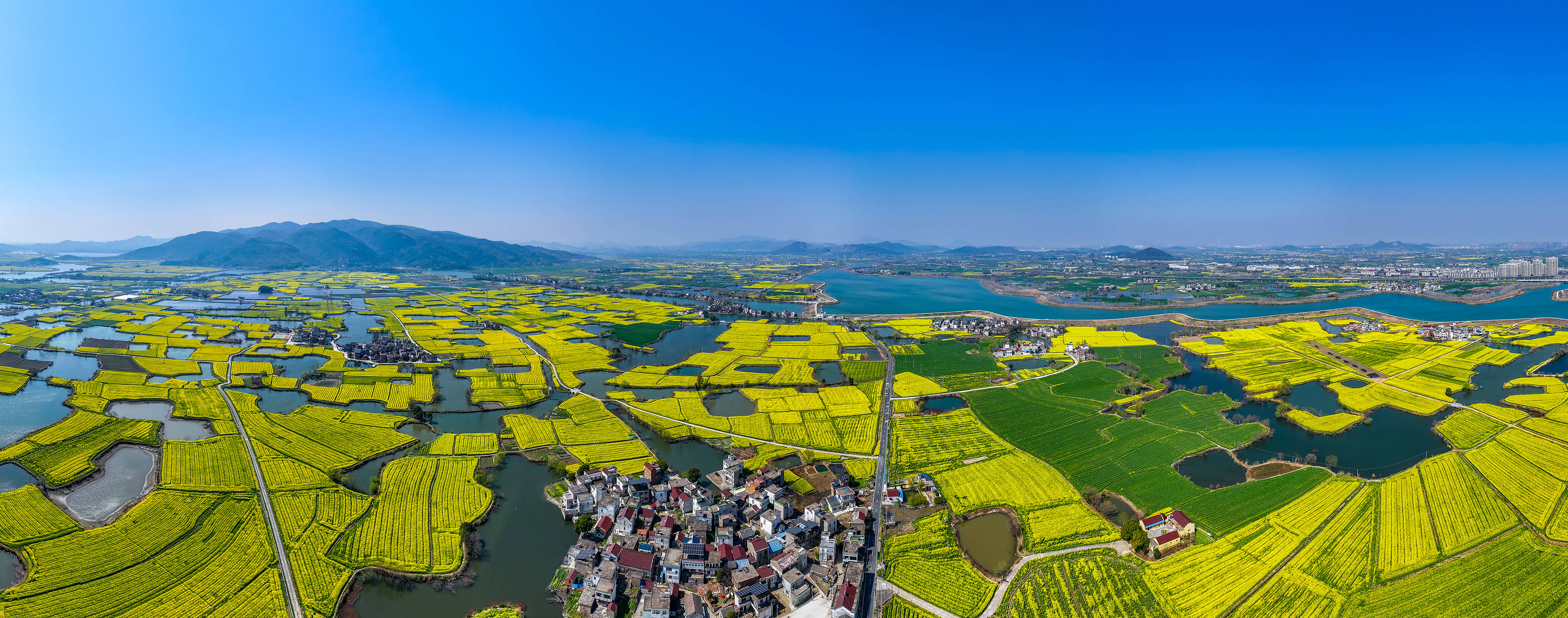
City hero image

Huangshan

UNESCO World Heritage Site—famous for peculiar pines, strange rocks, sea of clouds, and ancient Huizhou villages.

About

Huangshan is home to one of China's most iconic mountain ranges, a UNESCO World Heritage Site renowned for its peculiar pines, strange rock formations, sea of clouds, and hot springs. The city's namesake mountain has inspired Chinese artists and poets for centuries, with its granite peaks and ancient pine trees creating otherworldly landscapes.

The region is equally famous for its well-preserved ancient villages. Hongcun and Xidi, both UNESCO World Heritage Sites, showcase traditional Huizhou architecture with white-walled homes, horse-head gables, and intricate wood carvings. These villages appear frozen in time, their layouts inspired by feng shui principles and ancient Chinese cosmology.

As the birthplace of Huizhou culture, the area boasts a rich culinary heritage. Huizhou cuisine, one of China's eight great culinary traditions, emphasizes local ingredients and meticulous preparation. Signature dishes like Huizhou Mandarin Fish showcase the region's innovative cooking techniques, while local teas like Taiping Houkui represent centuries of cultivation expertise.

Beyond tourism, the city serves as a gateway to exploring traditional Chinese culture, from calligraphy and painting to classical architecture and philosophy.

History & Development

Huangshan's recorded history spans over 2,200 years. The region was part of the ancient Huizhou prefecture, a prosperous administrative region during imperial times known for its scholarly culture and merchant class.

The mountain itself, originally called Yishan, was renamed Huangshan (Yellow Mountain) in 747 AD during the Tang dynasty by imperial decree, honoring the legendary Yellow Emperor who was said to have attained immortality here. This renaming elevated the mountain's cultural status and attracted generations of poets, artists, and pilgrims.

During the Ming and Qing dynasties, Huizhou merchants flourished, building magnificent homes and funding architectural masterpieces. Their wealth funded the construction of Hongcun, Xidi, and hundreds of other villages that still stand today. The distinctive Huizhou architectural style—with white walls, dark tiles, and horse-head gables—became synonymous with refined elegance.

The region's modern development began after 1979 when the local government promoted tourism development. Since then, Huangshan has become one of China's most visited destinations, attracting millions of domestic and international travelers annually while preserving its cultural heritage.

Economy & Industries

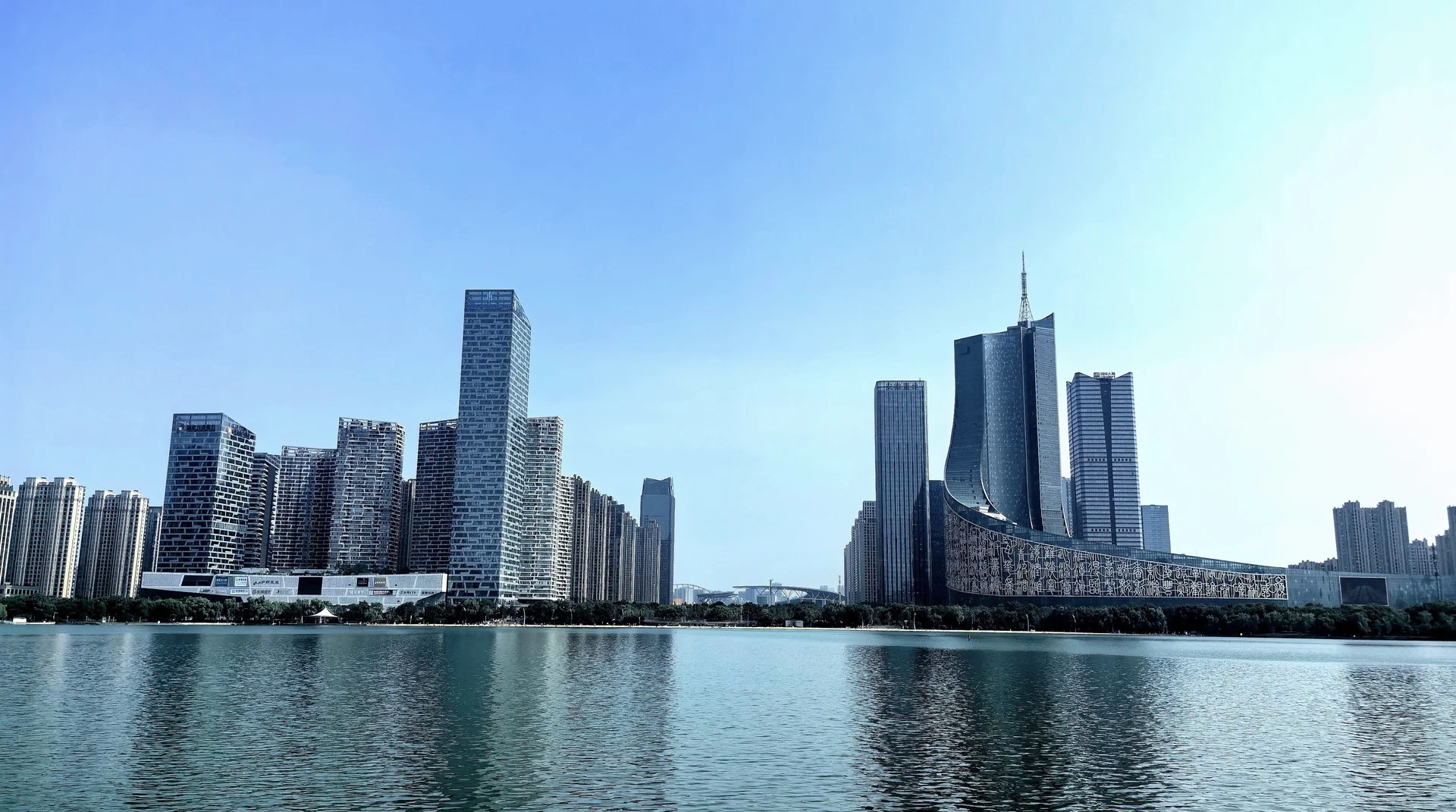
Tourism dominates Huangshan's economy, contributing over 60% of GDP. The city receives more than 70 million visitors annually, drawn by the mountain's natural beauty and the region's cultural heritage sites. Peak seasons occur during spring blossoms and autumn foliage.

Tea production represents another major economic pillar. The region produces some of China's most prestigious teas, including Huangshan Maofeng and Taiping Houkui. These teas command premium prices and are exported worldwide. Traditional cultivation methods and strict quality standards maintain their reputation.

Agriculture focuses on mountain products like bamboo shoots, stone fungus, and organic vegetables. The region's clean environment and traditional farming methods support a growing organic food industry.

Cultural industries, including traditional crafts like ink stick production and wood carving, contribute to the local economy while preserving intangible cultural heritage. The government actively promotes cultural tourism and supports artisan workshops.

Top Attractions

🏔️ Nature

Huangshan Mountain

A UNESCO World Heritage Site renowned for its four wonders: peculiar pines, strange rock formations, sea of clouds, and hot springs. The granite peaks and ancient trees create otherworldly landscapes that inspired Chinese art for centuries.

★★★★ 4.8
🕐 24/7
🎫 ¥190
📍 Other

Hongcun Village

A UNESCO World Heritage Site shaped like a water buffalo, featuring traditional Huizhou architecture with white walls, horse-head gables, and a serene pond that mirrors the ancient buildings.

★★★★ 4.6
🕐 24/7
🎫 ¥104
📍 Other

Xidi Village

A UNESCO World Heritage Site preserving over 100 Ming and Qing dynasty residences. The village showcases refined Huizhou architecture with intricate wood carvings and stone engravings.

★★★★ 4.5
🕐 24/7
🎫 ¥104
📍 Other

Tunxi Ancient Street

A Song dynasty-style commercial street preserving traditional Huizhou architecture. Lined with tea houses, antique shops, and local delicacies, offering a glimpse into the region's mercantile past.

★★★★ 4.4
🕐 24/7
🎫 Free
📍 Other

Tangyue Archways

Seven magnificent stone archways representing loyalty, filial piety, and chastity. Each archway tells a story of virtue, showcasing the pinnacle of Ming-Qing stone carving artistry.

★★★★ 4.3
🕐 8:00 AM-5:30 PM
🎫 ¥100
🏔️ Nature

Emerald Valley

A scenic valley famous as a filming location for 'Crouching Tiger, Hidden Dragon.' Features over 100 colorful pools in various shades of green and blue, surrounded by lush bamboo forests.

★★★★ 4.3
🕐 7:00 AM-5:30 PM
🎫 ¥75

Food & Culture

Discover the culinary treasures of Huangshan, from traditional street food to imperial cuisine.

Things to Do

Watch the Sunrise

Wake up early to witness the sea of clouds from Lion Peak or Bright Top.

Explore Ancient Villages

Wander through Hongcun and Xidi to experience traditional Huizhou architecture.

🍴

Taste Huizhou Cuisine

Sample authentic Huizhou dishes like Mandarin Fish and Mao Tofu.

Tea Culture Experience

Visit tea plantations and learn about Taiping Houkui production.

Getting Around

✈️

Airport

Huangshan Tunxi International Airport (TXN)

🚄

High-Speed Rail

Huangshan North Station (connections to Hefei, Hangzhou, Shanghai)

Best Time to Visit

Spring (April-May) and Autumn (September-October) offer the best weather for most destinations in China.

Travel Reminders

💡

Reserve mountain-top hotels in advance to catch the sunrise.

💡

Comfortable hiking shoes and rain gear are essential.

💡

Try traditional ink stick making and wood carving workshops.

💡

Sample local teas at traditional tea houses in Tunxi Ancient Street.

Continue Exploring China

Discover more cities, food guides, and travel inspiration.