Other
Wuhu Fangte Oriental Fantasy
A massive theme park featuring Chinese mythology-themed rides, roller coasters, and spectacular laser shows. One of the largest theme parks in China.
9:30 AM - 5:30 PM (weekends extended)
¥280
A Yangtze River port city and China's auto export capital — home to Chery Automobile, the nation's top vehicle exporter.
Wuhu is a dynamic Yangtze River port city in southeastern Anhui Province, with a population of 3.64 million and an area of 6,026 square kilometers. It is best known as the global headquarters of Chery Automobile, China's largest vehicle exporter.
Chery Automobile, founded in Wuhu in 1997, has grown into a global automotive powerhouse. The company exports vehicles to over 80 countries and regions, making Wuhu China's unofficial "Auto Export Capital." Chery's success has fostered a comprehensive automotive supply chain and attracted related industries to the city.
Beyond automobiles, Wuhu is emerging as a robotics and AI hub. Anhui's robot industry cluster, centered in Wuhu, includes dozens of companies specializing in industrial robots, service robots, and intelligent manufacturing solutions.
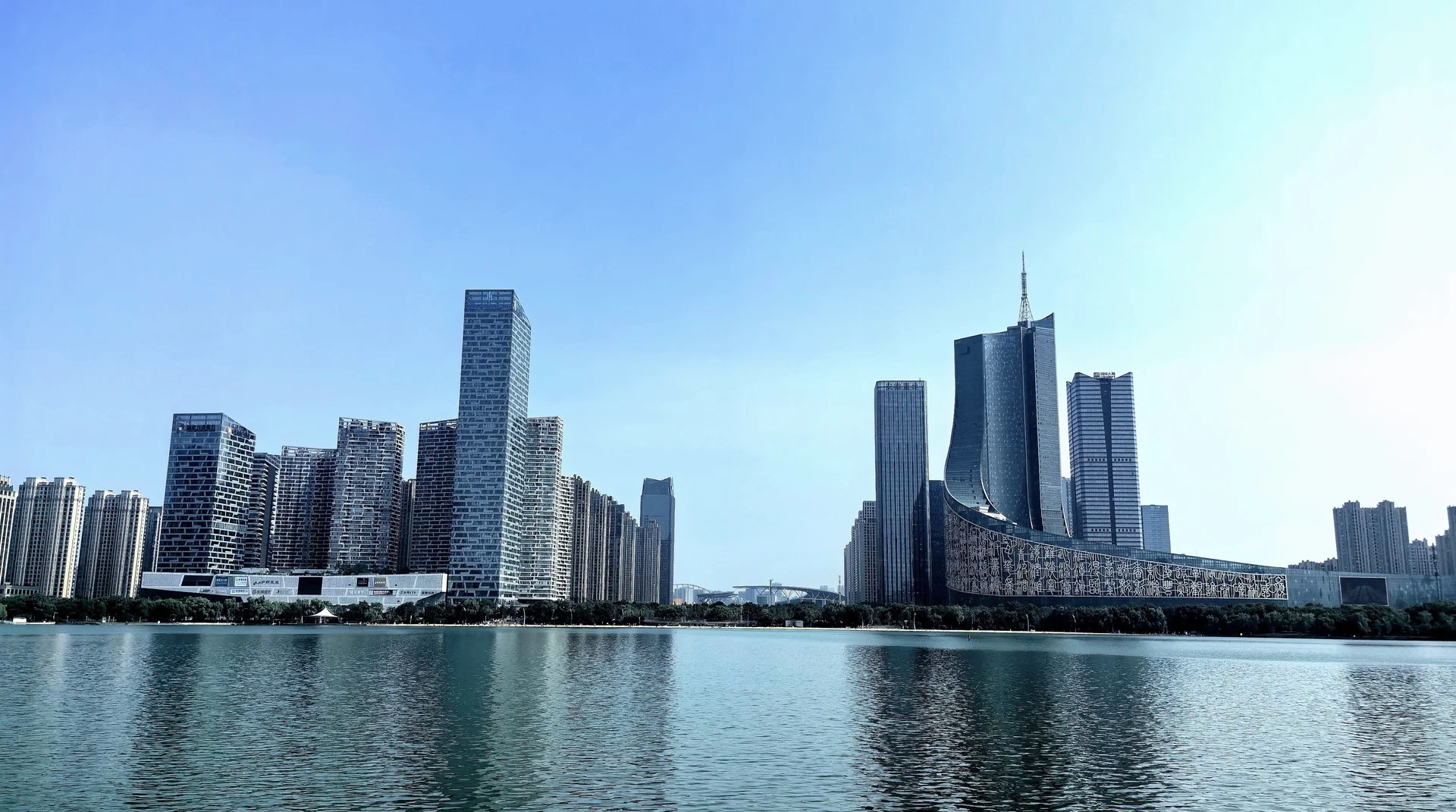
The city enjoys a prime location on the southern bank of the Yangtze River. The Wuhu Yangtze River Bridge, a combined rail-road bridge, is an engineering landmark. The riverfront has been developed into a scenic leisure area with parks, promenades, and public art.
Wuhu also offers cultural attractions including the Fangte Oriental Fantasy theme park, ancient temples on Zheshan Mountain, and the beautiful Jinghu Lake in the city center. The city is known for its unique iron painting craft, where skilled artisans create artworks with molten iron.
Wuhu's history as a settlement dates back over 2,000 years. During the Three Kingdoms period (220-280 AD), it was an important military garrison along the Yangtze River.
The city's strategic location on the Yangtze made it a prosperous port during the Tang and Song dynasties, trading rice, tea, and silk. During the Ming Dynasty, Wuhu became one of China's major commercial centers, known for its dyeing and textile industries.
In 1876, the Treaty of Yantai opened Wuhu as a treaty port to foreign trade. This brought Western merchants, missionaries, and the beginning of industrial development. Wuhu became a center for rice trading and was known as the "Rice Capital of China" in the late 19th and early 20th centuries.
After 1949, Wuhu developed as an industrial city with shipbuilding, textile, and machinery manufacturing. The establishment of Chery Automobile in 1997 marked a turning point, transforming Wuhu's economy and global profile.
In the 2010s, Wuhu diversified into robotics, new energy vehicles, and high-tech manufacturing. The city has invested heavily in research and development, establishing innovation parks and partnering with universities to build a knowledge-based economy.
Wuhu's economy is built on automobiles, robotics, new building materials, shipbuilding, and e-commerce. In 2024, the city's GDP reached approximately 480 billion yuan.
Automobile manufacturing dominates Wuhu's industrial landscape. Chery Automobile, headquartered in Wuhu, is China's largest passenger vehicle exporter and one of the country's top 10 automakers. Chery produces over 1 million vehicles annually and has joint ventures with Jaguar Land Rover and others. The company has driven the development of a comprehensive auto parts cluster in the city.
Robotics and intelligent manufacturing is Wuhu's fastest-growing sector. The Wuhu Robot Industrial Park hosts over 100 companies, including Efort Robotics and many specialized automation firms. The cluster covers industrial robots, welding robots, logistics automation, and AI-powered systems.
New building materials is a traditional strength. Wuhu is home to Conch Group, one of China's largest building materials manufacturers, producing cement, commercial concrete, and new wall materials.
Shipbuilding and marine engineering benefit from Wuhu's Yangtze River port location. The city has several shipyards building cargo vessels, container ships, and special-purpose vessels.
E-commerce and cross-border trade are growing rapidly, supported by Wuhu's logistics advantages. The city serves as a distribution hub for products flowing between eastern coastal cities and the inland provinces.
Discover the culinary treasures of Wuhu, from traditional street food to imperial cuisine.
Wuhu Xuanzhou Airport (WHA)
Connected to Nanjing (30 minutes) and Hefei (40 minutes) via high-speed rail
No metro system; buses and taxis available
March to May
Mild temperatures 12-24°C. Best time for visiting parks and enjoying the Yangtze River scenery. Cherry blossoms around Jinghu Lake.
June to August
Hot and humid, 26-36°C. The Fangte theme park water rides are a popular way to cool off.
September to November
Cool and comfortable, 10-26°C. Excellent for outdoor sightseeing and sculpture park visits.
December to February
Cold and damp, 0-8°C. Museums and indoor attractions are the primary options.
Discover more cities, food guides, and travel inspiration.