Landmark
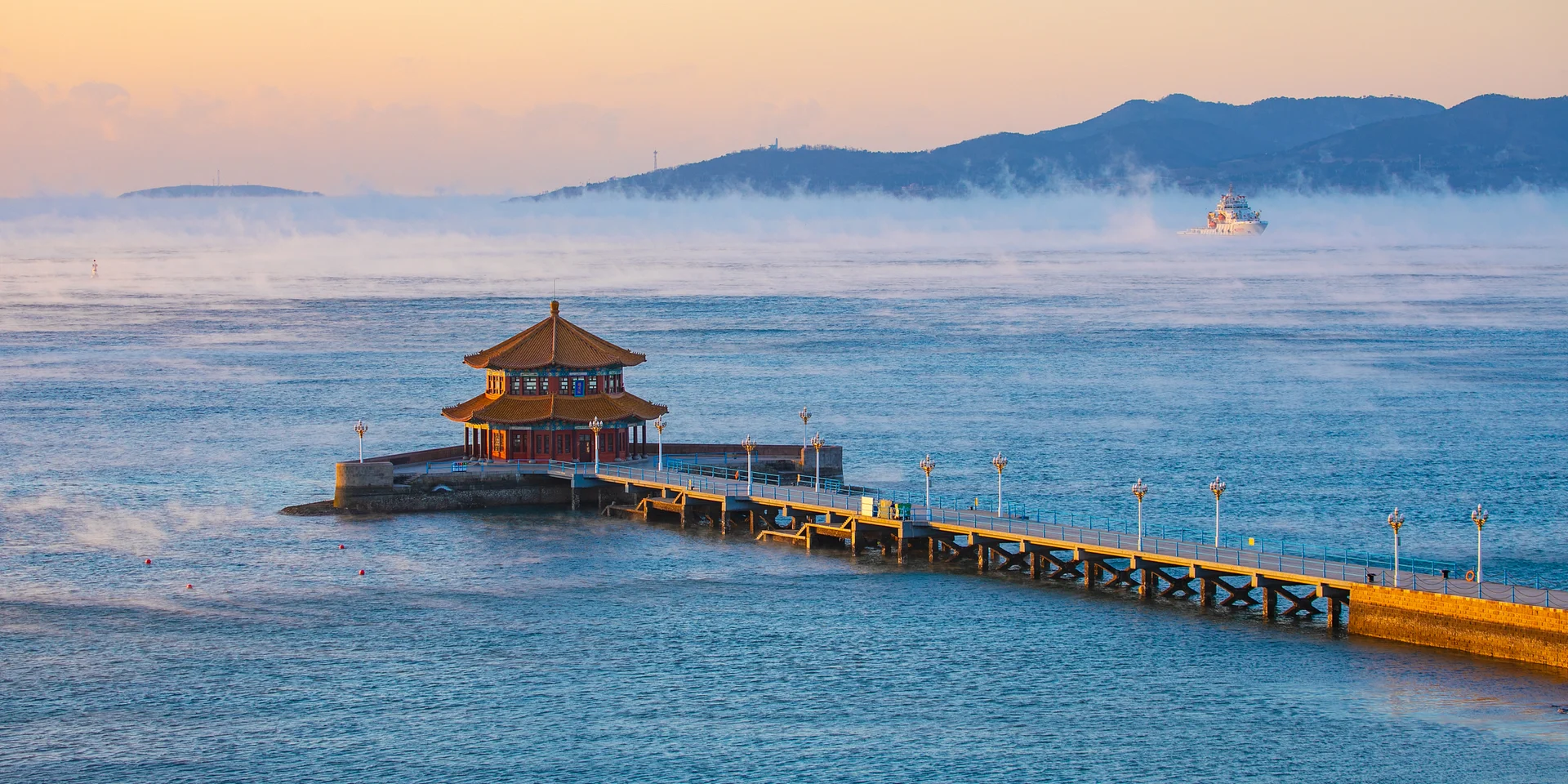
Penglai Pavilion
One of China's Four Great Towers, legendary home of the Eight Immortals, known for mirage phenomena over the sea.
7:00 AM - 6:00 PM
¥100
A romantic coastal city known as "Fairyland on Earth," famous for Penglai Pavilion, fine wines, and pristine beaches along the Yellow Sea.
Yantai is a romantic coastal city on the Yellow Sea in Shandong Province, known as the "Fairyland on Earth" for its legendary connections to Chinese mythology. The city covers 13,746 square kilometers and has a population of 7.06 million, making it one of the most livable cities in China.
The city's name literally means "Smoke Tower," derived from the beacon towers built during the Ming Dynasty to warn of pirates. Today, Yantai is famous for its pristine coastline, fine wines, and the legendary Penglai Pavilion - one of China's Four Great Towers.
Yantai is China's wine capital, home to the historic Changyu Winery founded in 1892, the oldest and largest wine producer in Asia. The city's temperate climate and coastal location create ideal conditions for grape cultivation, and visitors can explore century-old underground cellars and sample award-winning wines.
The Penglai Pavilion, perched on a cliff overlooking the sea, is steeped in mythology as the home of the Eight Immortals and the site of legendary mirage phenomena. Nearby Changdao Islands offer pristine beaches, dramatic cliffs, and a seal sanctuary.
Yantai cuisine emphasizes fresh seafood and simple preparation. Local specialties include Spanish mackerel dumplings, sea intestine with leeks, and the famous Yantai apples - crisp, sweet fruits that have become a symbol of the city.
Yantai's history spans over 2,000 years, with the area first established as Donglai County during the Qin Dynasty. The name "Yantai" (Smoke Tower) originated during the Ming Dynasty (1368-1644) when beacon towers were built to warn of Japanese pirate invasions.
The legendary Penglai Pavilion has been a site of myth and pilgrimage since ancient times. According to Chinese mythology, it was here that the Eight Immortals crossed the sea, and the spot where emperors sought the elixir of immortality. The current pavilion was built in 1061 during the Northern Song Dynasty.
During the Qing Dynasty, Yantai became one of the first treaty ports opened to foreign trade in 1858. This brought Western influences, colonial architecture, and the establishment of the Changyu Winery in 1892 - China's first modern winery.
The city played a significant role in China's modernization. Zhang Bishi, the founder of Changyu, introduced modern winemaking techniques and helped establish Yantai as a center of commerce and industry.
After 1949, Yantai developed into a major industrial and agricultural center. The city became known for its apples, wine, and seafood processing industries. In 1984, it was designated as one of China's first coastal open cities, attracting foreign investment.
Today, Yantai balances its historical heritage with modern development. The colonial architecture on Yantai Hill, ancient temples on Kunyu Mountain, and legendary Penglai Pavilion coexist with thriving industries and vibrant urban life.
Yantai's economy is built on manufacturing, agriculture, and tourism. In 2024, the city's GDP reached 1,001.5 billion yuan, making it one of Shandong's strongest economies.
Manufacturing is the backbone of Yantai's economy. The city is a major producer of automobiles, machinery, electronics, and food processing equipment. Several Fortune 500 companies have operations in Yantai, attracted by its port facilities and skilled workforce.
Agriculture remains important, with Yantai apples being the city's most famous product. The city produces over 5 million tons of apples annually, exported worldwide. Other agricultural products include cherries, grapes, and seafood.
Wine production is a signature industry. Changyu Wine Company, founded in 1892, remains China's largest wine producer. The city hosts the International Wine Expo and has developed wine tourism around its vineyards and cellars.
Tourism is growing rapidly, with visitors attracted by Penglai Pavilion, Changdao Islands, and the city's beaches. The coastal location and mild climate make Yantai a popular summer destination. The city also benefits from cruise ship visits and ferry connections to Dalian.
Discover the culinary treasures of Yantai, from traditional street food to imperial cuisine.
Yantai Penglai International Airport (YNT)
Connected to Jinan, Qingdao, and major cities
Network under development
Extensive network covering all districts
Available throughout the city
Spring (April-May) and Autumn (September-October) offer the best weather for most destinations in China.
Discover more cities, food guides, and travel inspiration.