Nature
Mount Lao (Laoshan)
Known as the "First Mountain on the Sea," a sacred Taoist mountain with stunning coastal views and ancient temples.
7:00 AM - 6:00 PM (year-round)
¥90 (South Route), ¥65 (North Route)
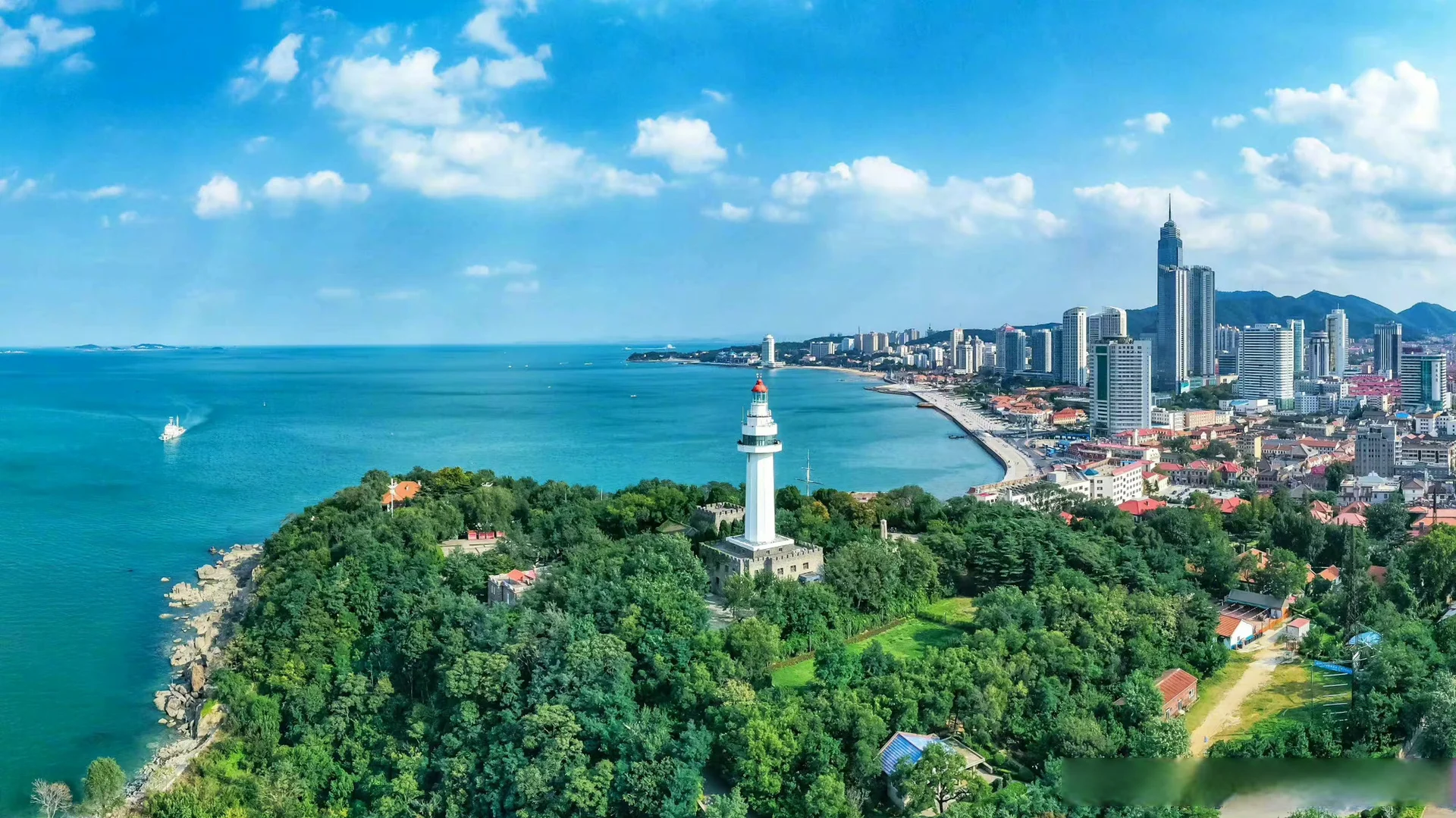
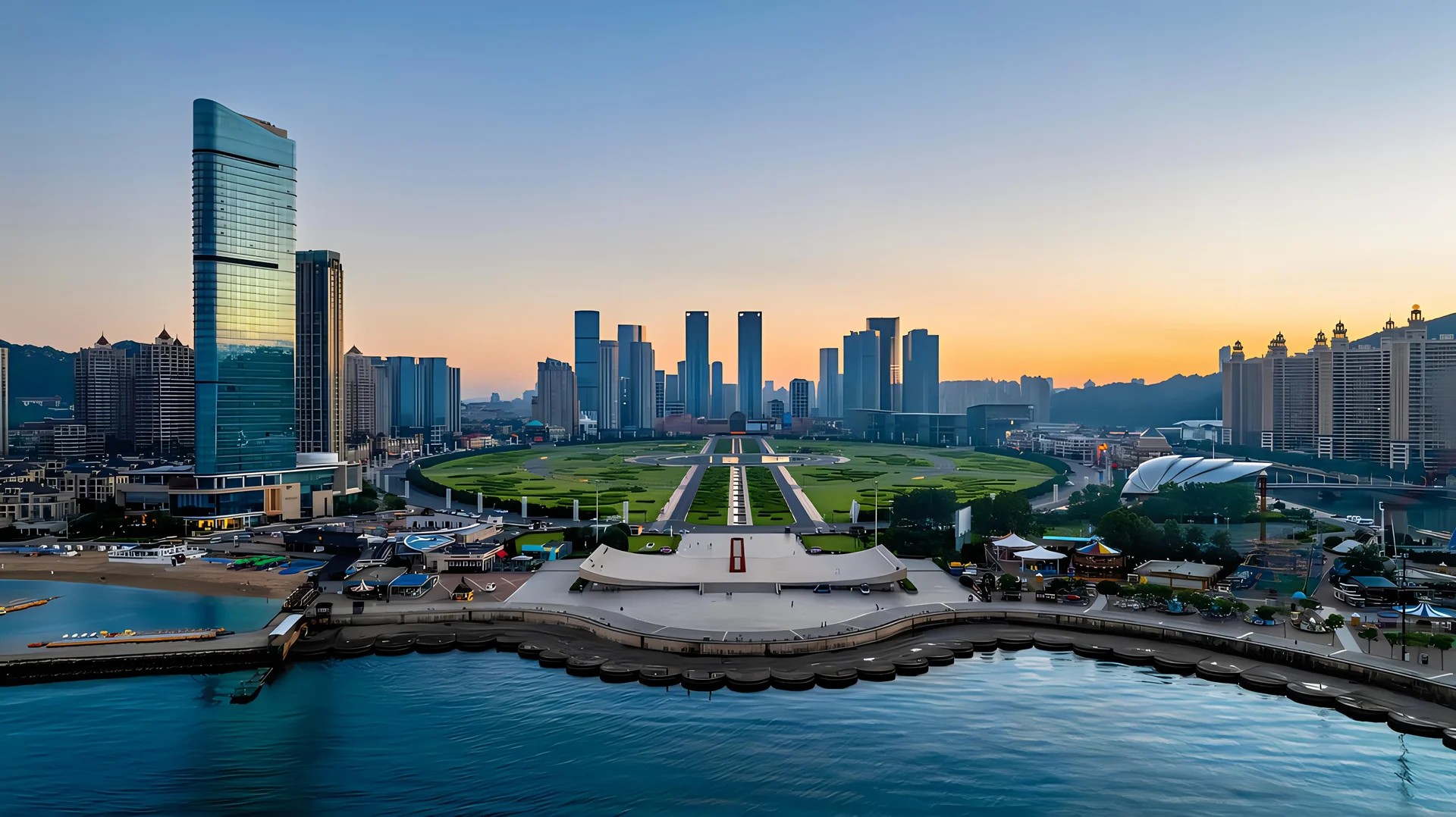
A coastal city where mountains meet the sea, famous for its colonial architecture, golden beaches, and the world-renowned Tsingtao Beer.
Qingdao is where mountains meet the sea on the southern coast of the Shandong Peninsula. The city spans 11,293 square kilometers, with a coastline of 817 kilometers that shapes both its economy and character. By the end of 2025, Qingdao had 10.5155 million permanent residents, making it one of China's major coastal cities.
The city's identity was forged in the late 19th century when Germany leased the area and built it as a "model colony," complete with a brewery that would become world-famous. That legacy lives on in the red-roofed villas of Badaguan, the historic Zhan Qiao pier, and the Tsingtao Beer that still flows from the original brewery. Qingdao was also the flashpoint for the May Fourth Movement in 1919, a pivotal moment in modern Chinese history.
Today, Qingdao balances its colonial architecture with modern development. The Olympic Sailing Center, built for the 2008 Beijing Olympics, has become a symbol of the city's contemporary identity. Golden Beach and the surrounding coastline draw millions of visitors each summer, while Mount Lao offers a different experience with its Taoist temples and mountain trails overlooking the Yellow Sea.
Qingdao's strategic location on Jiaozhou Bay made it an important port since the Tang and Song dynasties. In 1891, the Qing government established a military garrison here, marking the beginning of Qingdao as an administrative entity. Six years later, in 1897, Germany seized the area using the "Juye Incident" as a pretext, turning it into a colony and building the port and railway that would drive Qingdao's growth.
The German era left lasting marks: the grid street layout, European-style architecture, the brewery established in 1903, and infrastructure that helped Qingdao surpass Yantai as Shandong's largest commercial port within a decade. When World War I broke out in 1914, Japan replaced Germany as the occupying power, leading to the May Fourth Movement in 1919 when Chinese citizens demanded the return of Qingdao.
Qingdao returned to Chinese control in 1922 and was designated a special city. After 1949, it became a major industrial and tourism center. The city gained global recognition as the sailing venue for the 2008 Beijing Olympics, and its economy has grown into one of China's strongest, with a GDP of 1.756 trillion yuan in 2025.
Qingdao's economy is built on its port, manufacturing base, and growing service sector. In 2025, the city's GDP reached 1.756 trillion yuan, with year-on-year growth of 5.4% at constant prices. The city is designated as a "modern ocean city" and "international coastal tourism destination" in national planning.
Traditional industries include smart home appliances, high-end chemicals and new materials, and modern light industry. Haier, Hisense, and Tsingtao Beer are among the nationally famous brands headquartered here. Emerging sectors include next-generation information technology and artificial intelligence. The port of Qingdao is among the world's busiest, handling over 700 million tons of cargo annually.
Tourism contributes significantly to the economy, with the city receiving millions of domestic and international visitors each year, especially during summer. The annual Qingdao International Beer Festival in August has become one of Asia's largest beer festivals, drawing visitors worldwide.
Discover the culinary treasures of Qingdao, from traditional street food to imperial cuisine.
Qingdao Jiaodong International Airport (TAO)
Connected to Beijing, Shanghai, Jinan, and major cities
Network with multiple lines covering urban area
Extensive network covering all districts
Available throughout the city
April - May
Comfortable temperatures and blooming flowers, ideal for sightseeing and hiking Mount Lao.
June - August
Peak beach season with hot weather, perfect for swimming and the International Beer Festival.
September - October
Cool and pleasant weather, perfect for outdoor activities and cultural exploration.
November - March
Cold and windy, but fewer tourists and lower prices. Indoor attractions remain comfortable.
Asia's largest beer festival, featuring beers from around the world, live music, and cultural performances. Held at Golden Beach Beer City, the festival spans two weeks and attracts millions of visitors.
Celebrating Qingdao's maritime heritage with sailing competitions, beach sports, seafood festivals, and cultural events along the coast.
Spring flower festival at Dazhu Mountain, when thousands of azaleas bloom across the hillsides, creating a spectacular natural display.
Summer is the peak tourist season with the best beach weather. Spring and autumn offer comfortable temperatures for sightseeing. Winter is cold and windy but least crowded.
Discover more cities, food guides, and travel inspiration.