Landmark
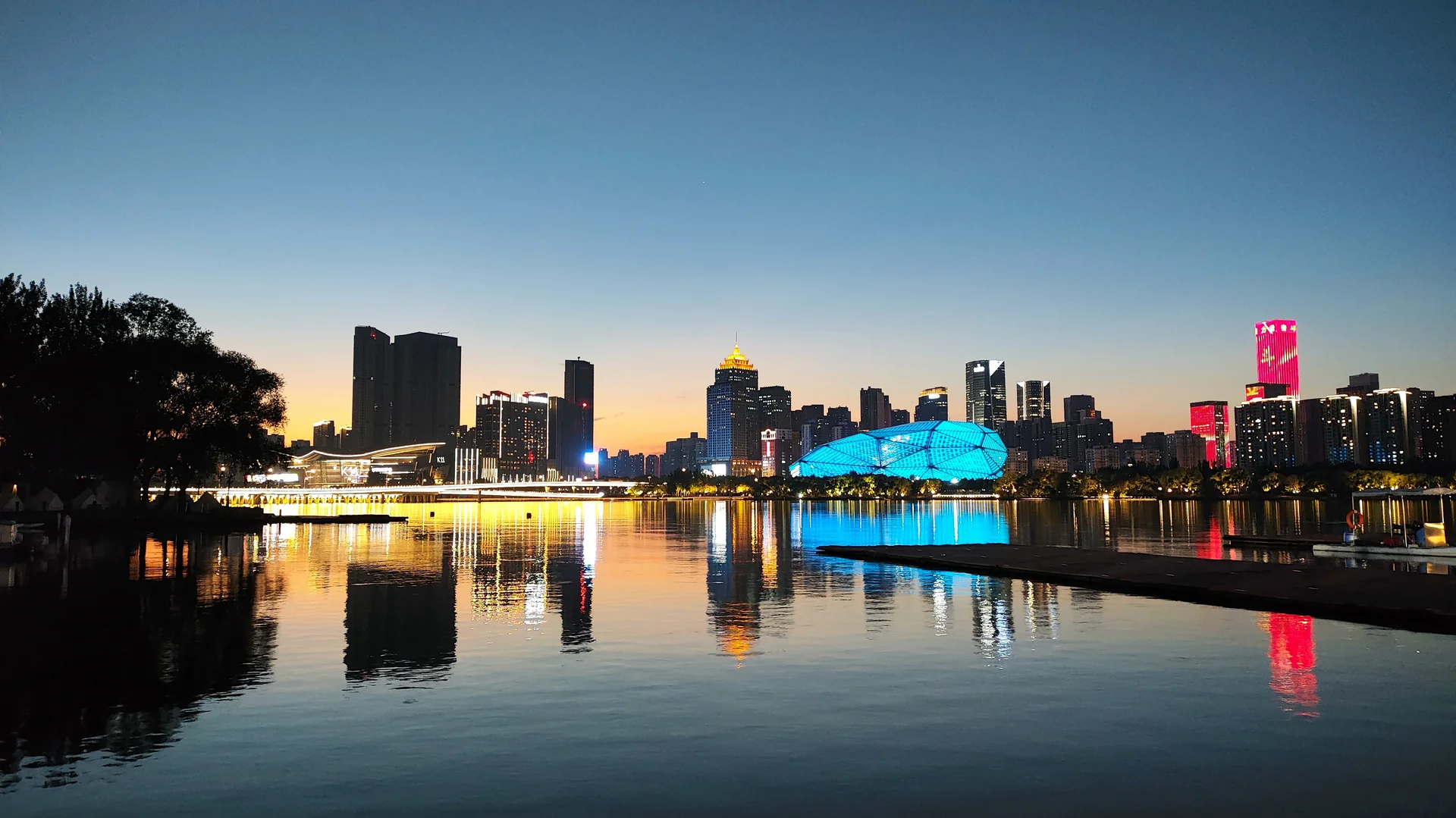
Xinghai Square
Asia's largest city square, an iconic Dalian landmark with spectacular sea views and the Xinghai Bay Bridge.
Open 24 hours
Free
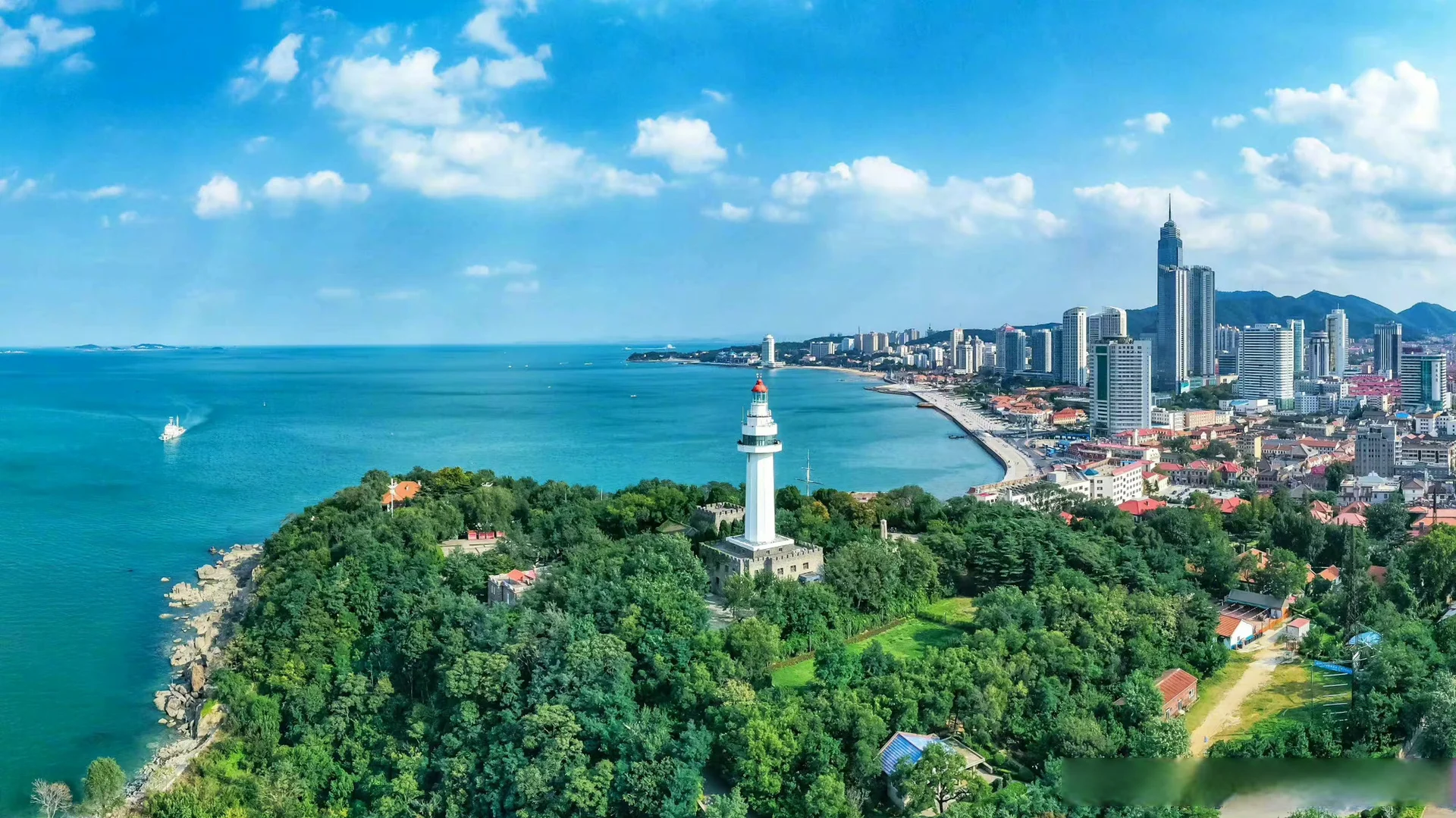
A romantic coastal city known as the "Pearl of the North," famous for its beaches, squares, and colonial architecture.
Dalian is a coastal gem on the southern tip of Liaodong Peninsula, known as the "Pearl of the North" and the "Romantic City." The city spans 12,574 square kilometers and has a population of 7.45 million, making it one of Northeast China's most important port cities and tourist destinations.
The city's unique character was shaped by its colonial history. From 1898 to 1955, Dalian was under Russian and Japanese rule, leaving behind a rich architectural heritage including the Russian Street and various European-style buildings. This multicultural background gives Dalian a distinctive charm different from other Chinese cities.
Today, Dalian is famous for its beautiful squares, beaches, and seafood. Xinghai Square, Asia's largest city square, serves as the city's iconic landmark. The Binhai Road coastal drive offers stunning sea views, while Bangchuidao and Jinshitan provide pristine beaches for relaxation. The city's seafood cuisine, particularly sea cucumber and abalone, is renowned throughout China.
Dalian's strategic location on Liaodong Peninsula made it an important port since ancient times. During the Qing Dynasty, it was a small fishing village until the late 19th century when Russia, and later Japan, recognized its strategic value.
In 1898, Russia leased the area from China and began building a modern port city, naming it "Dalny." After Russia's defeat in the Russo-Japanese War in 1905, Japan took control and renamed it "Dairen." The city developed rapidly under Japanese rule, becoming an important industrial and commercial center.
After World War II, Dalian was returned to China in 1955. The city became a major industrial base and one of China's first coastal cities to open to foreign investment in the 1980s. Today, Dalian is known for its software industry, shipbuilding, and tourism.
Dalian's economy is built on its port, manufacturing, and growing service sector. In 2025, the city's GDP reached 815 billion yuan. As Northeast China's largest port, Dalian handles over 300 million tons of cargo annually.
Traditional industries include shipbuilding, machinery, and petrochemicals. The city is also a major software outsourcing center, often called "China's Bangalore." Tourism contributes significantly to the economy, with millions of visitors attracted by the beaches, squares, and seafood each year.
The Dalian Port is a crucial gateway for Northeast China's international trade, connecting to over 300 ports worldwide. The city's seafood industry is also significant, with Dalian sea cucumber and abalone commanding premium prices in Chinese markets.
Discover the culinary treasures of Dalian, from traditional street food to imperial cuisine.
Dalian Zhoushuizi International Airport (DLC)
Connected to Beijing, Shenyang, Harbin and major cities
Network with multiple lines covering urban area
Extensive network covering all districts
Available throughout the city
April - May
Comfortable temperatures and blooming flowers, ideal for sightseeing.
June - August
Peak beach season with warm weather, perfect for swimming and seaside activities.
September - October
Cool and pleasant weather, perfect for outdoor activities.
November - March
Cold and windy, but fewer tourists and lower prices.
Major fashion event featuring runway shows, exhibitions, and cultural performances.
Spring festival celebrating the city's locust flowers with food, music, and cultural events.
Annual marathon event attracting runners from around the world.
Summer is the peak tourist season with the best beach weather. Spring and autumn offer comfortable temperatures for sightseeing. Winter is cold and windy but least crowded.
Discover more cities, food guides, and travel inspiration.