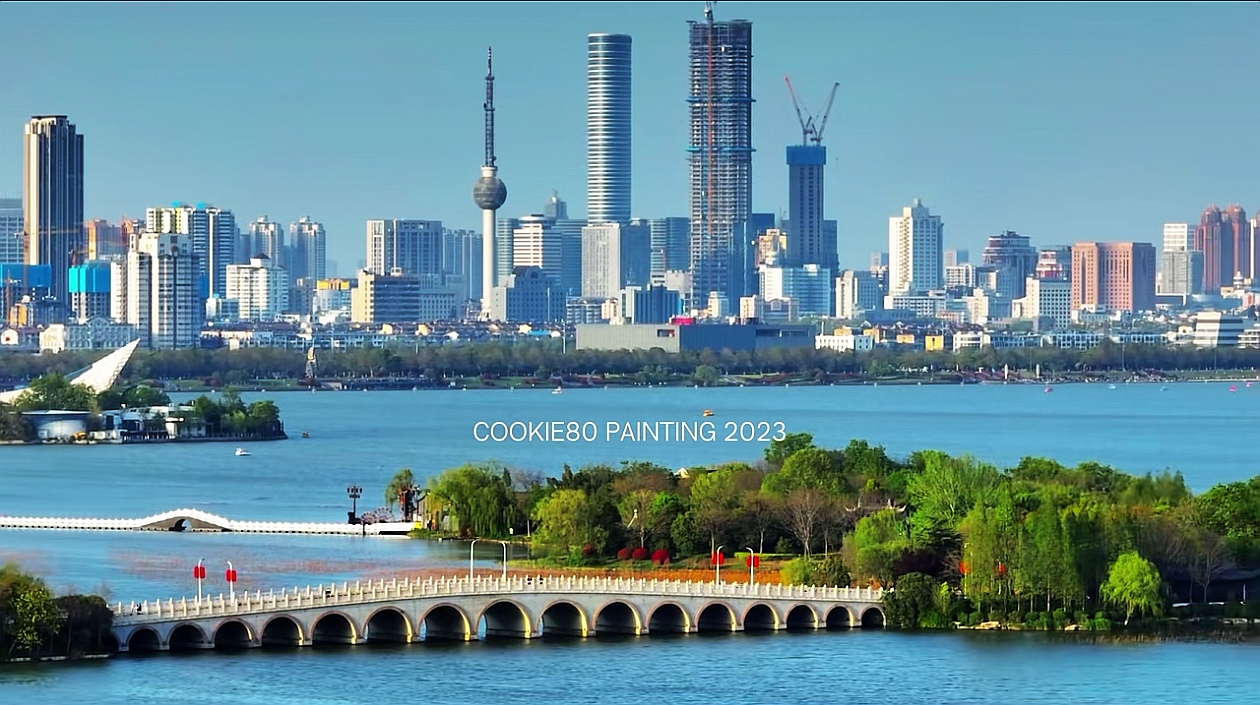
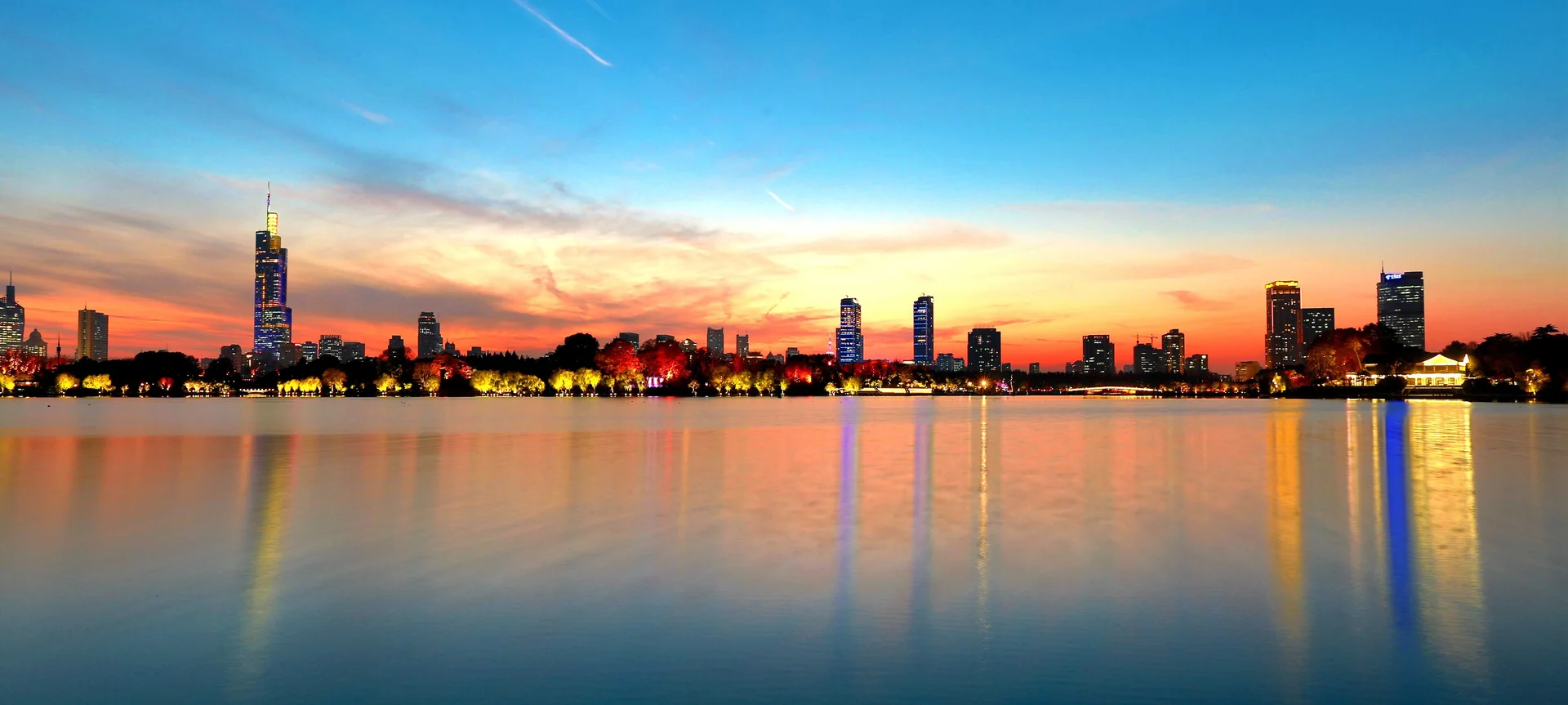
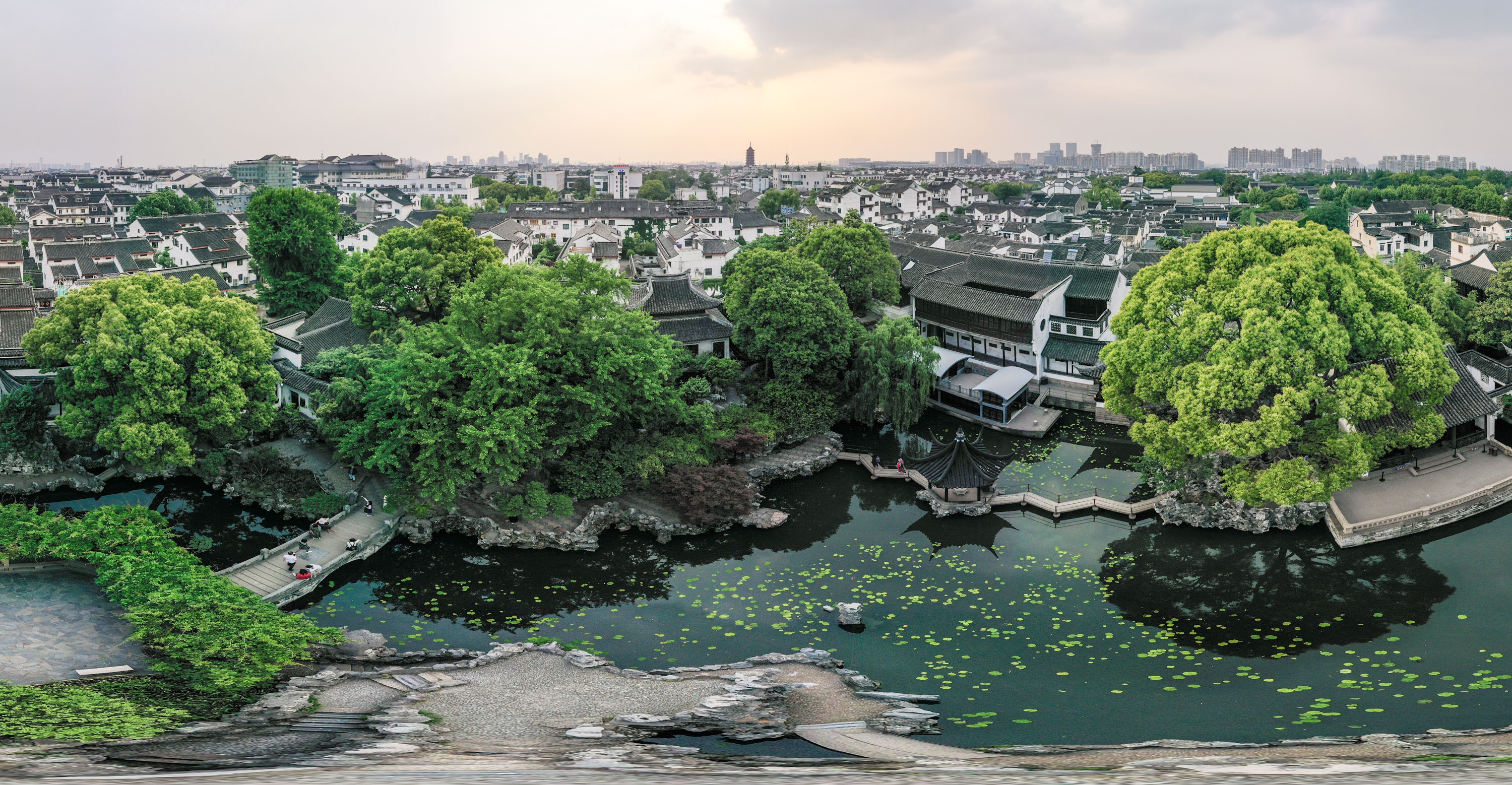
City hero image

Changzhou

A new-energy powerhouse where Trina Solar leads global photovoltaics and CRRC builds next-generation rail transit.

About

Changzhou, a mid-sized city in the heart of the Yangtze River Delta, has earned its reputation as China's "New Energy Capital." The city is headquarters to Trina Solar, one of the world's largest photovoltaic panel manufacturers, and a major base for CRRC—the state-owned rolling stock giant that builds high-speed trains and subway cars for cities worldwide.

The city's transformation from textile center to clean-tech powerhouse mirrors China's industrial evolution. Changzhou now hosts one of the country's most advanced robotics industrial parks and a growing cluster of new materials companies. Its GDP of over one trillion yuan places it among China's wealthiest prefecture-level cities.

Changzhou balances its industrial dynamism with impressive cultural assets. Tianning Temple's towering pagoda, the family-friendly China Dinosaur Park, and the ancient Yancheng ruins offer diverse attractions. The nearby Tianmu Lake and Nanshan Bamboo Sea provide natural escapes into bamboo forests and hot spring resorts.

History & Development

Changzhou's history spans over 3,200 years, beginning with the founding of the Yancheng settlement during the Spring and Autumn Period (771-476 BC). The triple-moated city of Yancheng served as the capital of the Yan State and remains one of the best-preserved ancient city sites in China.

During the Sui and Tang dynasties, the construction of the Grand Canal brought prosperity to Changzhou. The city became a major transport hub and trading center for grain, silk, and tea. Tianning Temple, built in 645 AD, became one of the most important Buddhist centers in southeastern China.

The Ming and Qing periods saw Changzhou emerge as a center for textile manufacturing, particularly cotton weaving. The city's comb-making industry also flourished, making Changzhou famous throughout China for its fine hair combs.

The reform era after 1978 transformed Changzhou into an industrial powerhouse. The city's entrepreneurs pioneered township enterprises that grew into modern corporations. The most dramatic shift came in the 2000s when Changzhou bet heavily on solar energy, establishing the infrastructure that would attract Trina Solar and create the city's new-energy ecosystem.

Economy & Industries

Changzhou's economy, with a GDP exceeding one trillion yuan, is anchored by three pillar industries: new energy, rail transit equipment, and intelligent manufacturing.

The new energy sector is the city's most dynamic growth driver. Trina Solar, headquartered here since 1997, has shipped over 100 GW of solar modules globally. The Changzhou Photovoltaic Industrial Park hosts a complete supply chain from silicon ingot production to module assembly. The city also manufactures lithium batteries and electric vehicle components.

Rail transit equipment manufacturing is the second pillar. CRRC Changzhou produces electric locomotives, high-speed train carriages, and subway cars for domestic and international markets. The facility has supplied trains to over 20 countries including Australia, Argentina, and Ethiopia.

Robotics and intelligent manufacturing represent Changzhou's future. The Changzhou Robotics Park houses over 100 companies specializing in industrial robots, collaborative robots, and automation equipment. New materials, particularly carbon fiber and advanced composites, form a growing sector.

The traditional textile and garment industry, while smaller than before, has upgraded to technical textiles and functional fabrics. Tourism centered on Dinosaur Park and Tianmu Lake adds billions to the local economy.

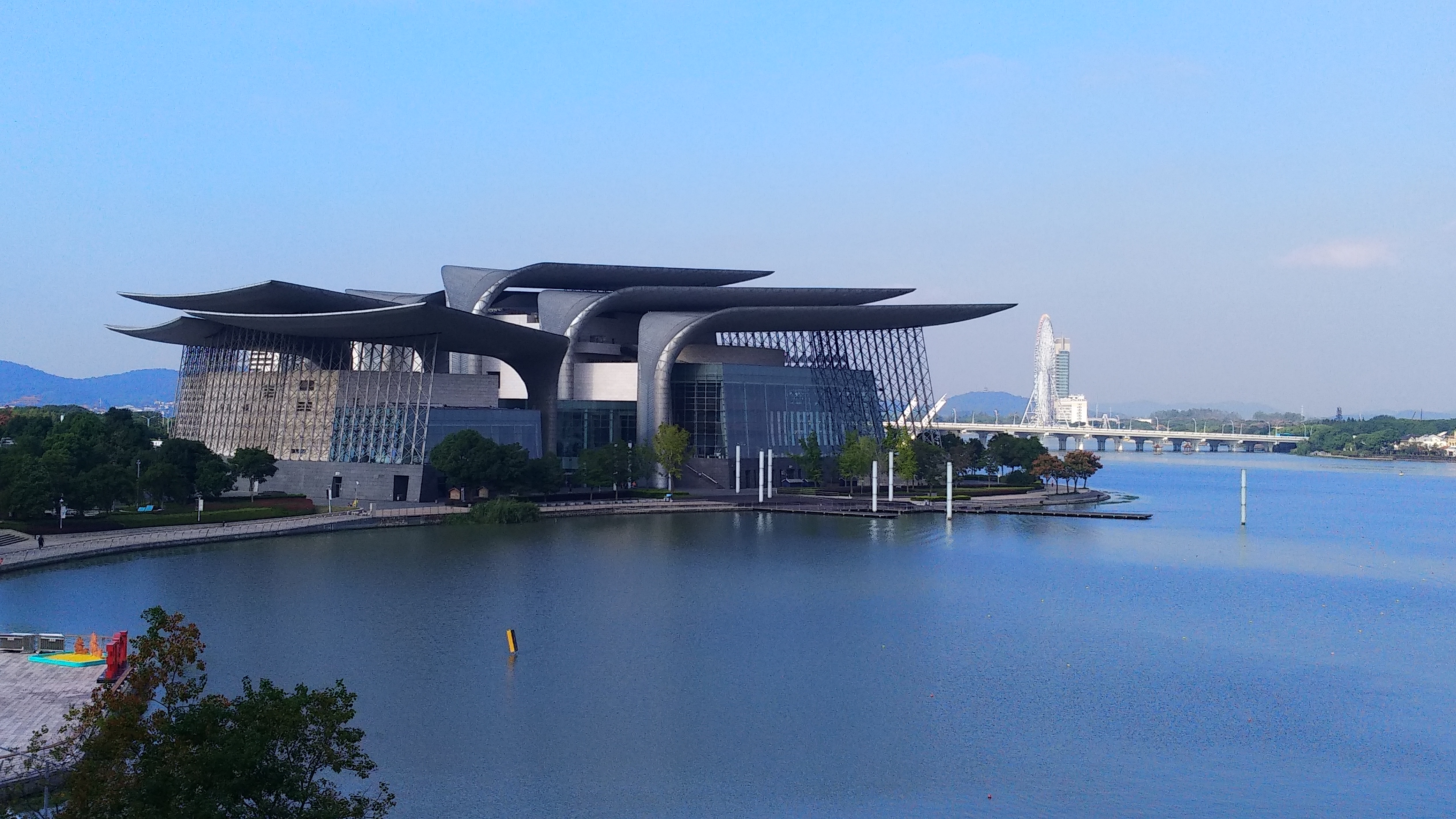
Top Attractions

⛩️ Temple

Tianning Temple

One of China's largest Buddhist temples, built in 645 AD during the Tang Dynasty. The temple's pagoda, rebuilt in 2007, stands 153.79 meters tall—the highest pagoda in the world. Climb to the top for panoramic views of Changzhou. The temple houses a stunning jade Buddha statue and thousands of Buddhist scriptures carved into stone slabs.

★★★★ 4.6
🕐 8:00 AM-5:00 PM
🎫 ¥80
🏛️ Landmark

China Dinosaur Park

Asia's largest dinosaur-themed amusement park, built on an actual fossil excavation site. Combines a world-class paleontological museum with thrilling rides, shows, and interactive exhibits. The museum displays over 70 dinosaur skeletons including a 38-meter-long Mamenchisaurus. Popular rides include the "Dinosaur Tornado" roller coaster and "Dino Water World" summer attraction.

★★★★ 4.7
🕐 9:00 AM-5:30 PM
🎫 ¥260
🏛️ Landmark

Yancheng Spring and Autumn Theme Park

A unique cultural theme park built around the 2,700-year-old Yancheng ruins—a triple-moated ancient city from the Spring and Autumn Period. The park combines archaeological preservation with theatrical performances, historical reenactments, and rides. The night show featuring ancient Chinese music and dance is spectacular. The ruins themselves are among the best-preserved ancient city sites in China.

★★★★ 4.4
🕐 9:00 AM-5:00 PM
🎫 ¥190
🌳 Park

Hongmei Park

Changzhou's oldest and most beautiful public park, established in 1958. Features a stunning red plum blossom grove that blooms in late winter, traditional pavilions, and a peaceful lake. The Wenchang Pagoda within the park offers views of the Tianning Pagoda nearby. Locals practice tai chi here at dawn, and the tea house serves excellent biluochun green tea.

★★★★ 4.3
🕐 7:00 AM-6:00 PM
🎫 Free
🏔️ Nature

Tianmu Lake

A scenic reservoir lake surrounded by bamboo-covered mountains, about 80km south of the city center. Known for its emerald waters, the lake offers boat cruises, lakeside hiking trails, and hot spring resorts. The Tianmu Lake Peninsula features the Nanshan Bamboo Sea and several luxury hotels. The area is famous for its fish head soup—a must-try local delicacy.

★★★★ 4.5
🕐 8:00 AM-5:00 PM
🎫 ¥120
🏔️ Nature

Nanshan Bamboo Sea

A vast bamboo forest covering over 35,000 acres, with 35-meter-high bamboo stalks creating a natural cathedral. Walk or take the cable car through the sea of green. The bamboo museum explains the cultural significance of bamboo in Chinese art and daily life. The area also features a traditional water village and an historic Jinghu Lake.

★★★★ 4.5
🕐 8:00 AM-5:00 PM
🎫 ¥90
🎭 Museum

Changzhou Museum

A modern museum showcasing Changzhou's 3,200-year history. Highlights include Neolithic artifacts from the Majiabang culture, exquisite traditional comb-making exhibits (Changzhou is famous for its combs), and an extensive display of paintings by local artists from the Ming and Qing dynasties. The museum also has a dedicated section on Changzhou's industrial evolution.

★★★★ 4.2
🕐 9:00 AM-5:00 PM (Closed Mondays)
🎫 Free

Food & Culture

Discover the culinary treasures of Changzhou, from traditional street food to imperial cuisine.

Things to Do

🏛️

Dinosaur Park Adventure

Spend a full day at China Dinosaur Park with rides and fossil exhibits.

Tianning Pagoda Climb

Climb the world's tallest pagoda for panoramic city views.

Tianmu Lake Escape

Relax at the lake with a boat cruise and fish head soup.

Bamboo Sea Hike

Walk through the towering bamboo groves of Nanshan.

🏛️

Yancheng Ruins Tour

Explore the 2,700-year-old triple-moat ancient city.

🏛️

Comb Museum Visit

Learn about Changzhou's famous handmade comb tradition.

Getting Around

✈️

Airport

Changzhou Benniu Airport (20km)

🚄

High-Speed Rail

Changzhou Station (1h to Nanjing, 1.5h to Shanghai, 4.5h to Beijing)

🚇

Metro

Metro Lines 1 and 2 connecting north-south and east-west corridors

Best Time to Visit

🌸

Spring

Mar - May

★★★★★

Pleasant temperatures, blooming flowers in Hongmei Park.

  • Spring blossoms
  • Mild weather
  • Outdoor activities
☀️

Summer

Jun - Aug

★★★☆☆

Hot and humid. Dinosaur Park water attractions are a hit.

  • Dinosaur Park water rides
  • Tianmu Lake escape
  • Bamboo forest shade
🍂

Autumn

Sep - Nov

★★★★★

Golden autumn—best season for hiking at Nanshan Bamboo Sea.

  • Perfect hiking weather
  • Clear skies
  • Harvest season cuisine
❄️

Winter

Dec - Feb

★★★☆☆

Cold but dry. Red plum blossoms at Hongmei Park in February.

  • Red plum blossoms
  • Hot spring resorts
  • Fewer tourists

Continue Exploring China

Discover more cities, food guides, and travel inspiration.