Other
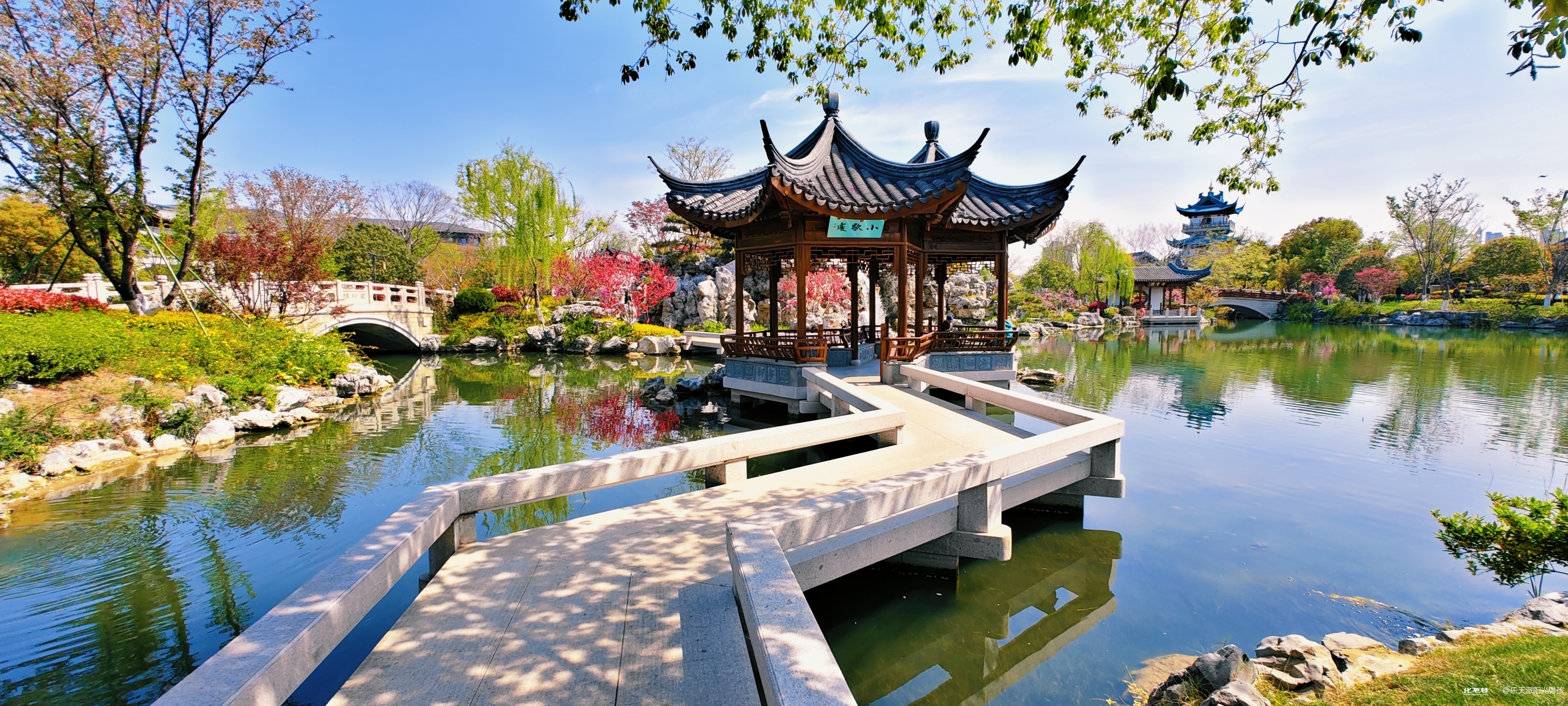
Humble Administrator's Garden
China's finest classical garden and UNESCO World Heritage Site. Built in 1509, this 5-hectare masterpiece features pavilions, bridges, and ponds in perfect harmony.
7:30 AM - 5:30 PM
¥80
A 2,500-year-old city where classical gardens meet modern prosperity—the legendary 'Venice of the East' where scholars, merchants, and artists created China's most refined urban culture.
Suzhou is China's most elegant city, where 2,500 years of history live in perfectly preserved classical gardens and winding canals. Known as the "Venice of the East," this Jiangsu city has inspired poets, scholars, and artists for millennia with its refined aesthetic and sophisticated culture.
The city's crown jewels are its classical gardens—nine UNESCO World Heritage Sites that represent the pinnacle of Chinese landscape design. The Humble Administrator's Garden, China's finest, creates a miniature universe of pavilions, bridges, and lotus ponds where every view is a painting. The Lingering Garden masters spatial illusion, while the Lion Grove Garden is a labyrinth of Taihu rock formations.
Beyond gardens, Suzhou's water lanes tell stories. Pingjiang Road's 800-year-old stone bridges arch over ancient canals where wooden boats still glide. Shantang Street, built by Tang poet Bai Juyi, glows with red lanterns at night. The surrounding water towns—Zhouzhuang, Tongli—preserve a China that exists nowhere else.
Suzhou's cultural contributions are equally profound. Kunqu Opera, born here 600 years ago, is the "mother of Chinese opera." Suzhou embroidery achieves photographic detail with silk threads. The local cuisine—delicate, sweet, seasonal—reflects the city's refined palate. And every spring, Biluochun tea leaves are hand-picked from Dongting Mountain's misty slopes.
Modern Suzhou is China's economic powerhouse, ranking first among prefecture-level cities in GDP. The Singapore-China Industrial Park has transformed the city's east side into a high-tech hub. Yet tradition thrives: elderly residents practice tai chi by ancient bridges, teahouses serve afternoon tea to the sound of pipa music, and gardeners tend the same species that bloomed for Ming dynasty scholars.
Suzhou's history began in 514 BC when King Helü of Wu established his capital here. The legendary strategist Sun Tzu may have written "The Art of War" in this city. The King's Tomb at Tiger Hill remains one of China's most mysterious archaeological sites.
During the Han Dynasty, Suzhou became a center of silk production, beginning its 2,000-year reign as China's silk capital. The Grand Canal's completion in the Sui Dynasty (589 AD) transformed Suzhou into a commercial hub, and the city was officially named Suzhou after nearby Gusu Mountain.
The Tang and Song dynasties were Suzhou's golden age. The proverb "Up above there is heaven, down below there are Suzhou and Hangzhou" was coined by Song poet Fan Chengda. Wealthy merchants and retired officials built the first classical gardens, establishing a tradition that would produce over 200 private gardens.
The Ming and Qing dynasties saw garden construction reach its peak. The Humble Administrator's Garden (1509), Lingering Garden (1593), and dozens of others were created. Suzhou scholars dominated imperial examinations, and the city became a center of painting, calligraphy, and craftsmanship.
Modern Suzhou preserved its heritage while embracing innovation. In 1982, it became one of China's first National Famous Historical and Cultural Cities. The 1994 establishment of Suzhou Industrial Park, a joint venture with Singapore, launched the city's high-tech transformation. Today, Suzhou balances UNESCO garden preservation with GDP that rivals European nations.
Suzhou's economy is China's strongest among prefecture-level cities, with GDP exceeding 2.4 trillion yuan in 2023—larger than many Chinese provinces and European nations. The city ranks 6th nationally in total GDP, behind only Shanghai, Beijing, Shenzhen, Guangzhou, and Chongqing.
The Suzhou Industrial Park (SIP), established in 1994 as a Singapore-China collaboration, is the city's economic engine. It hosts over 5,000 foreign companies including 90 Fortune 500 firms. Industries include semiconductors, biomedicine, artificial intelligence, and nanotechnology. The park contributes nearly 30% of Suzhou's GDP.
Traditional industries remain vital. Suzhou is China's silk capital, producing high-end fabrics for domestic and luxury international brands. The city's embroidery, sandalwood fans, and classical furniture are world-renowned crafts.
The surrounding county-level cities are economic powerhouses in their own right. Kunshan has China's highest county-level GDP, while Zhangjiagang, Changshu, and Taicang all rank in the national top 10. This decentralized prosperity creates balanced development.
Tourism contributes significantly, with 100+ million annual visitors to gardens, water towns, and cultural sites. The city targets high-value visitors with luxury hotels, Michelin-starred restaurants, and premium cultural experiences.
Discover the culinary treasures of Suzhou, from traditional street food to imperial cuisine.
Sunan Shuofang International Airport (WUX) - 20 km from downtown, shared with Wuxi
Connected to major cities
Public transportation available
Extensive network throughout the city
Available throughout the city
Spring (April-May) and Autumn (September-October) offer the best weather for most destinations in China.
Discover more cities, food guides, and travel inspiration.