Nature
Langshan Mountain
Ranked first among Buddhism's Eight Small Sacred Mountains, Guangjiao Temple dates to Tang Dynasty with panoramic views of Yangtze estuary.
8:00 AM - 5:00 PM
¥50
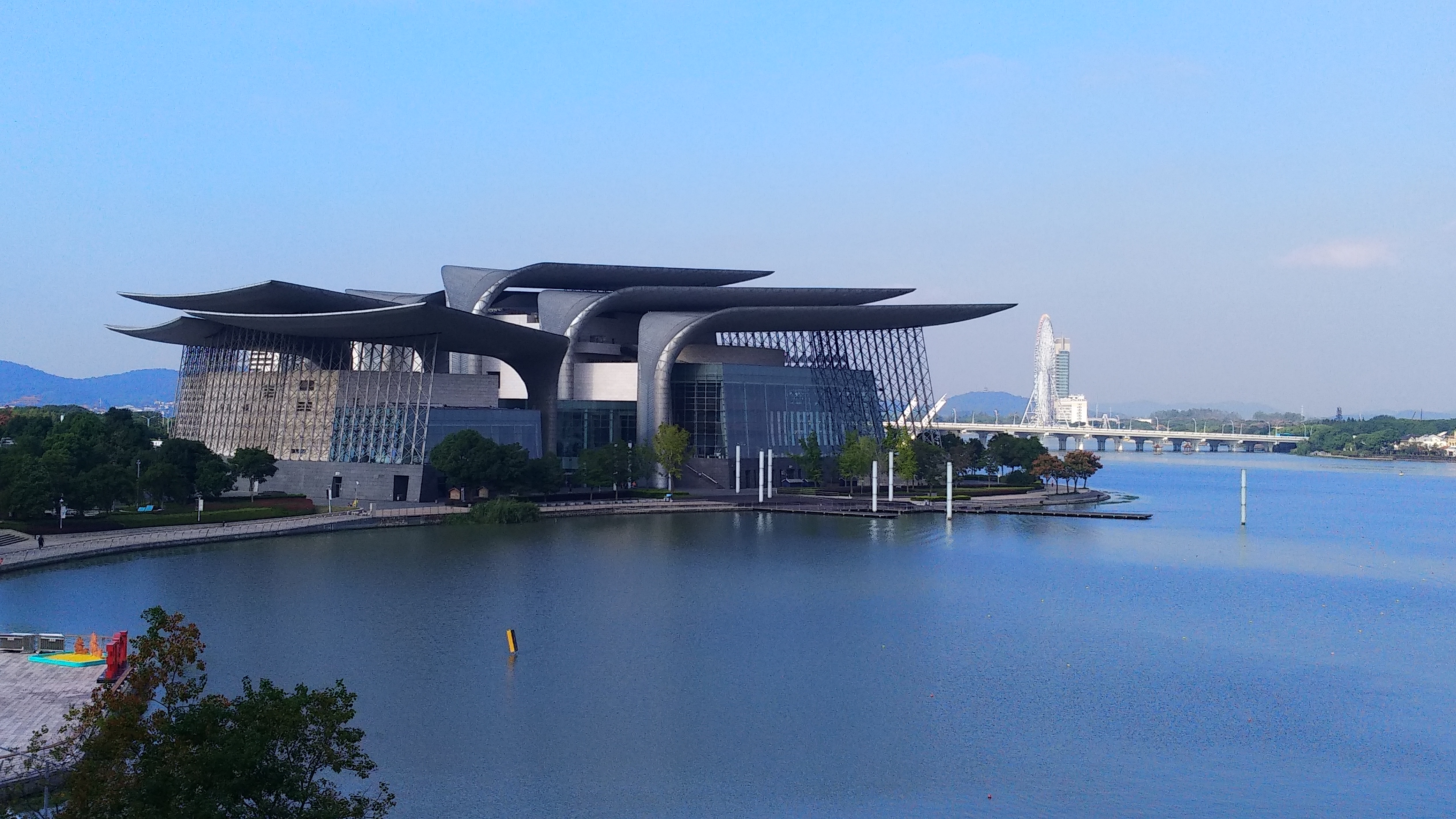
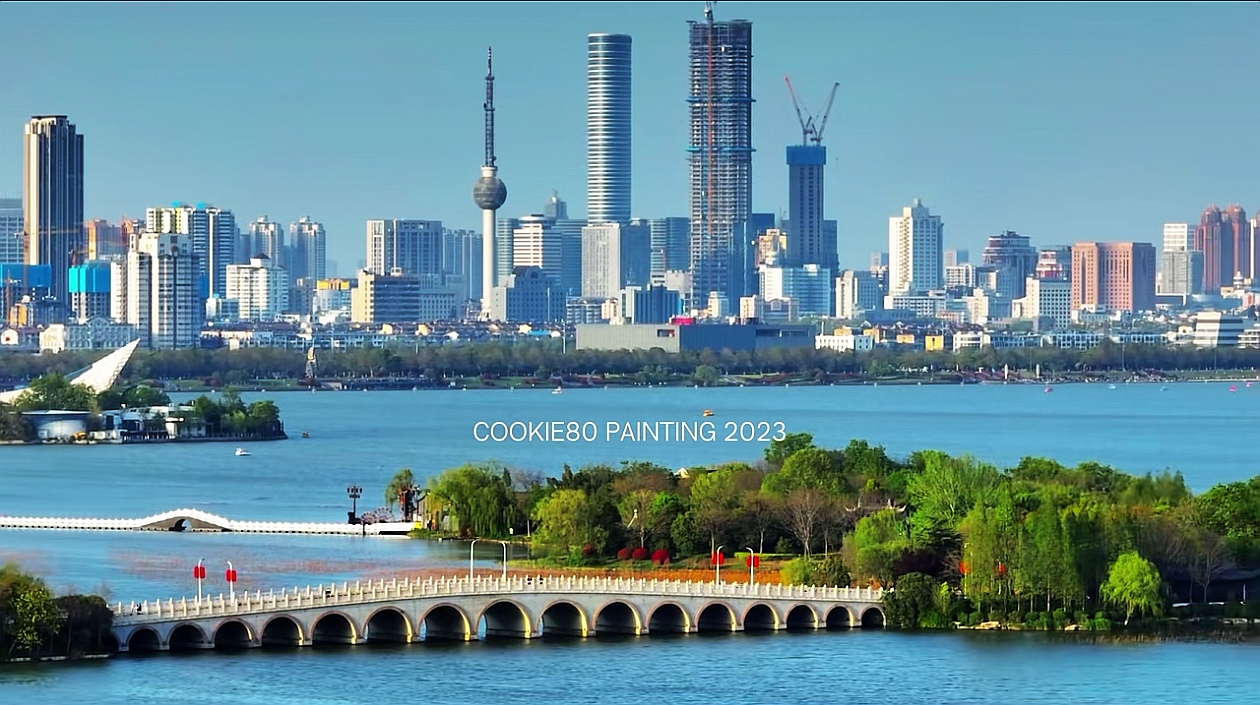
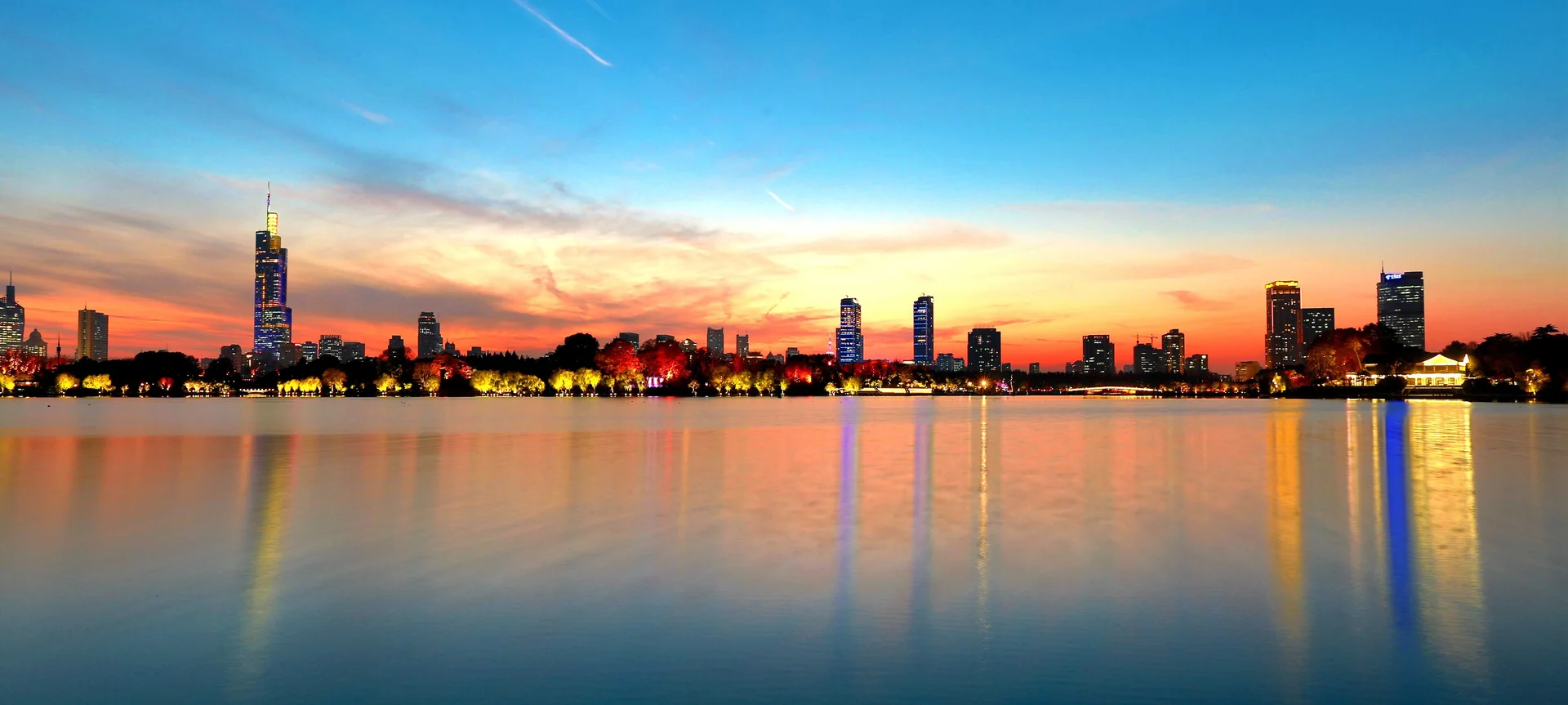
Known as "China's First Modern City," Nantong sits at the Yangtze River estuary, blending rich industrial heritage with beautiful river and sea landscapes.
Nantong is a historic city at the northern bank of the Yangtze River estuary in Jiangsu Province. Known as "China's First Modern City," it was the birthplace of modern Chinese industry under the vision of Qing Dynasty entrepreneur Zhang Jian in the early 20th century.
The city covers 8,544 square kilometers with a population of 7.72 million. Its strategic location at the meeting point of the Yangtze River and the East China Sea has shaped its identity as a gateway to the sea and a hub of commerce.
Nantong's modern legacy began when Zhang Jian established China's first museum (Nantong Museum in 1905), first normal school, and numerous industries including textile mills. This earned the city its reputation as the cradle of modern Chinese industry.
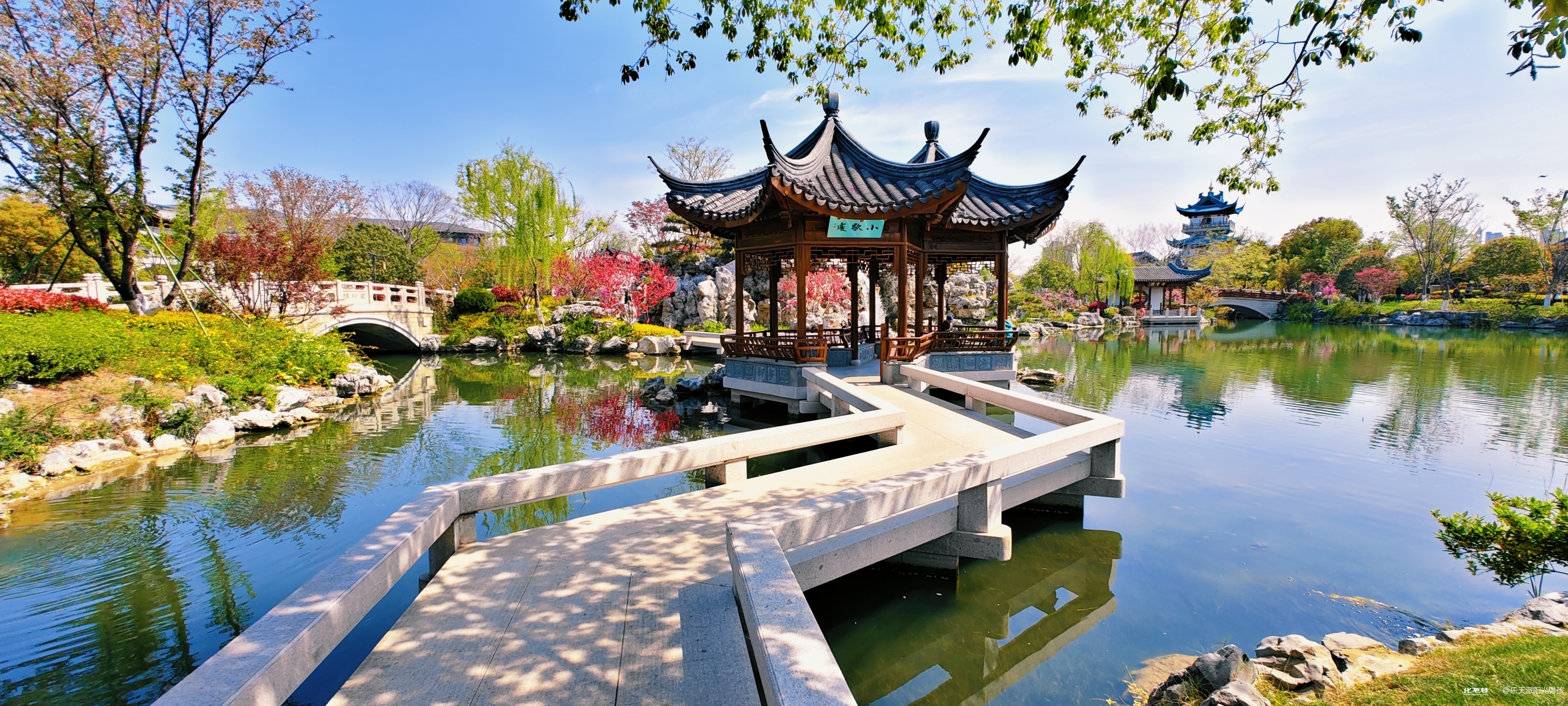
The city offers visitors a unique blend of industrial heritage, natural beauty, and cultural attractions. Langshan Mountain, ranked first among Buddhism's Eight Small Sacred Mountains, provides spiritual significance and panoramic views. The Haohe River, China's only remaining ancient moat, circles the old city with beautiful night scenery.
Beyond history and culture, Nantong is famous for its culinary traditions, including Tiaomian noodles, crab dumplings, and Rugao ham. The city's location at the river estuary ensures fresh seafood, while its agricultural heritage produces distinctive local specialties.
Nantong's history stretches back over 5,000 years, with archaeological evidence of Neolithic settlements in the area. The region was part of the ancient Wu and Yue kingdoms during the Spring and Autumn period.
During the Tang Dynasty (618-907), Nantong began developing as a salt production center, taking advantage of its coastal location. The city's salt industry continued to flourish through subsequent dynasties.
The modern era of Nantong began with Zhang Jian (1853-1926), a Qing Dynasty scholar-turned-entrepreneur who transformed the city. After failing the imperial examinations multiple times, Zhang eventually achieved the highest degree and became a pioneer of modern Chinese industry.
In 1895, Zhang Jian founded Dasheng Cotton Mill, one of China's first modern textile factories. He went on to establish numerous "firsts" in Chinese history: first public museum (Nantong Museum, 1905), first normal school for teacher training, first textile school, and first agricultural school. His comprehensive development model made Nantong a model city for China's modernization.
The city earned the title "China's First Modern City" for Zhang Jian's systematic approach to development, combining industry, education, and urban planning. His philosophy of "industrial salvation" influenced generations of Chinese entrepreneurs.
Today, Nantong continues to honor Zhang Jian's legacy while developing as a modern economic center. The city has become part of the Yangtze River Delta urban cluster, with bridges connecting it directly to Shanghai.
Nantong's economy is driven by manufacturing, construction, and its strategic port location. In 2025, the city's GDP reached 1,138 billion yuan, making it one of Jiangsu's major economic centers.
Manufacturing forms the backbone of Nantong's economy. The city inherited Zhang Jian's industrial legacy and developed strong textile, machinery, and electronics sectors. The home textile industry is particularly renowned, with Nantong known as "China's Home Textile Capital."
The construction industry is another pillar of Nantong's economy. The city is famous as the "Hometown of Construction," with numerous construction companies undertaking projects across China and internationally. Nantong construction teams have built landmark structures in major cities worldwide.
Port activities contribute significantly to the economy. Nantong Port handles over 200 million tons of cargo annually, serving as an important logistics hub for the Yangtze River Delta. The port specializes in bulk cargo, containers, and petrochemicals.
Traditional industries include agriculture and seafood processing. The city's coastal location ensures abundant marine resources, while the Yangtze delta's fertile soil supports diverse agriculture. Nantong is known for quality rice, seafood, and specialty products like Rugao ham.
Tourism is growing, attracted by industrial heritage sites, cultural attractions like Nantong Museum, and natural beauty at Langshan Mountain and Haohe River. The city's connection to Shanghai via bridges has made it an increasingly popular destination for day trips and weekend getaways.
Discover the culinary treasures of Nantong, from traditional street food to imperial cuisine.
Nantong Xingdong International Airport (NTG)
Connected to Shanghai in 1 hour via high-speed rail
Metro system under development
Comprehensive network covering urban and suburban areas
Available throughout the city
Spring (April-May) and Autumn (September-October) offer the best weather for most destinations in China.
Discover more cities, food guides, and travel inspiration.