City hero image

Yangzhou

A 2,500-year-old city along the Grand Canal—famous for Slender West Lake and Huaiyang cuisine.

About

Yangzhou, a historic city in Jiangsu Province, has been a cultural and commercial center for over 2,500 years. Located along the ancient Grand Canal, the city flourished as a hub of salt trade during the Tang and Qing dynasties. Today, Yangzhou is renowned for its classical gardens, UNESCO-listed Slender West Lake, and as the birthplace of Huaiyang cuisine.

The city's strategic position on the Grand Canal made it one of ancient China's wealthiest commercial centers. Salt merchants built magnificent gardens that still stand today, showcasing the refined lifestyle of a bygone era. Yangzhou's cultural legacy includes master painters of the "Eight Eccentrics" school, pioneering female writers, and culinary traditions that shaped Chinese cuisine.

Modern Yangzhou balances heritage preservation with sustainable development. The city has become a model for ecological urban planning, with green spaces and water features integrated into the historic cityscape. Visitors can experience the leisurely pace of traditional life through morning tea culture while enjoying world-class tourism facilities.

History & Development

Yangzhou's history spans over 2,500 years, beginning as a small settlement called Hancheng in 486 BC. The city's strategic location at the intersection of the Yangtze River and Grand Canal transformed it into a major commercial hub.

During the Tang Dynasty (618-907), Yangzhou became China's wealthiest city outside the capital. Arab and Persian merchants established communities here, making it a cosmopolitan center of international trade. The city's prosperity attracted poets, artists, and scholars, earning it the reputation as a cultural paradise.

The Ming and Qing dynasties (1368-1911) marked Yangzhou's golden age. Salt merchants accumulated enormous wealth and invested in garden construction, creating masterpieces like Ge Garden and He Garden. The city became synonymous with refined living, sophisticated cuisine, and artistic achievement. The "Eight Eccentrics of Yangzhou" challenged conventional painting styles with innovative approaches.

The Grand Canal's commercial importance declined in the late 19th century with the rise of maritime trade and railways. Yangzhou transitioned into a quieter city, preserving its heritage while other cities rapidly industrialized. Since the reform era, Yangzhou has developed tourism and light industry while maintaining its historic character, earning recognition as a UNESCO World Heritage site for the Grand Canal.

Economy & Industries

Yangzhou's economy combines traditional industries with modern sectors. The city has a GDP of approximately 640 billion yuan and is known for manufacturing excellence in automotive parts, machinery, and new materials.

Tourism is a major economic driver, attracting millions of visitors annually to historic sites like Slender West Lake and classical gardens. The city has invested heavily in heritage tourism infrastructure while maintaining authenticity.

Agriculture remains important in surrounding areas, with rice, wheat, and aquatic products contributing to local and regional food supply. Yangzhou's culinary reputation supports a thriving restaurant and food processing industry.

The city is developing high-tech industries including renewable energy equipment, electronic components, and biotechnology. Yangzhou's strategic location in the Yangtze River Delta positions it well for logistics and distribution services.

Top Attractions

🏔️ Nature

Slender West Lake

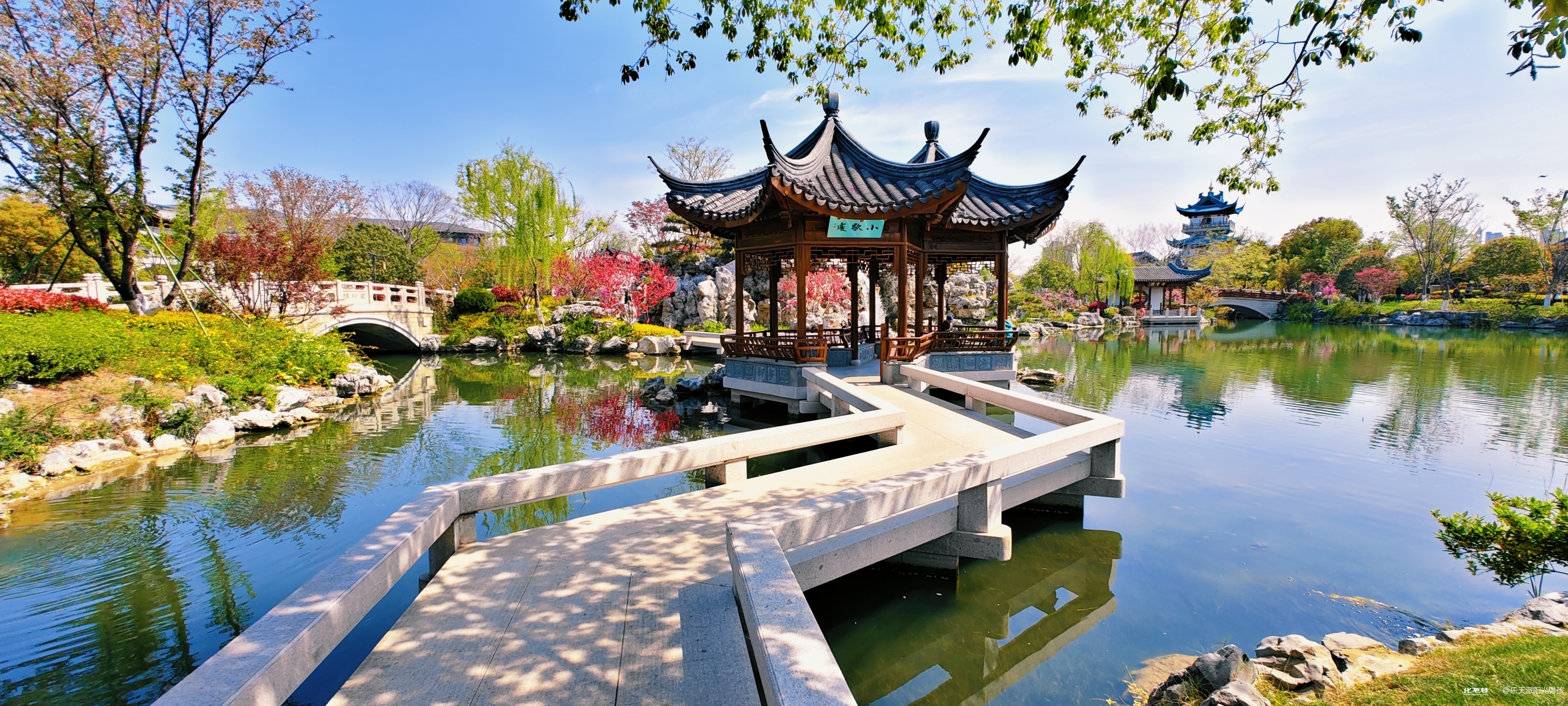
UNESCO World Heritage Site and Yangzhou's crown jewel—a 4.3-kilometer waterway dotted with elegant pavilions, arched bridges, and willow-lined paths. The iconic Five Pavilion Bridge and White Pagoda create picture-perfect reflections. Spring brings cherry and peach blossoms; autumn paints the maples red. Best visited at dawn when mist rises from the water.

★★★★ 4.8
🕐 7:00 AM-6:00 PM
🎫 ¥100 (peak season)
🏛️ Landmark

Ge Garden

One of China's Four Great Gardens, a masterpiece of Qing Dynasty landscape design. Famous for its ingenious "Four Seasons Rockeries"—four distinct rock formations using different colored stones to represent spring, summer, autumn, and winter. The spring rockery uses grey stones shaped like budding bamboo; summer features Taihu Lake stones resembling clouds; autumn showcases yellow stones like mountain peaks; winter uses white quartz suggesting snow.

★★★★ 4.6
🕐 7:15 AM-5:30 PM
🎫 ¥45
🏛️ Landmark

He Garden

Known as "The Finest Garden of Late Qing Dynasty," this unique garden blends traditional Chinese design with Western architectural elements. The stunning 1,500-meter double-deck covered corridor connects pavilions, rockeries, and water features—a rarity in Chinese garden architecture. Built in 1883 by He Zhidao, a retired official who incorporated European stained glass and ironwork.

★★★★ 4.5
🕐 7:30 AM-5:30 PM
🎫 ¥45
⛩️ Temple

Daming Temple

A 1,500-year-old Buddhist temple on Shugang Hill, famous as the residence of Monk Jianzhen before his historic journey to Japan in 753 AD. The 70-meter Qiling Tower offers panoramic views of Slender West Lake. The temple complex includes ancient halls from Tang Dynasty, a memorial hall for Jianzhen, and beautiful gardens with ancient ginkgo trees.

★★★★ 4.5
🕐 8:00 AM-5:30 PM
🎫 ¥45
🏛️ Landmark

Dongguan Street

Yangzhou's best-preserved historic street, stretching 1.2 kilometers along the ancient Grand Canal. Over 100 Ming and Qing Dynasty shop fronts house traditional teahouses like Yechun and Fuchun, lacquerware workshops, and street food vendors. Evening brings vibrant night markets. The street has been a commercial center for over 1,200 years.

★★★★ 4.4
🕐 Open daily
🎫 Free
🎭 Museum

China Grand Canal Museum

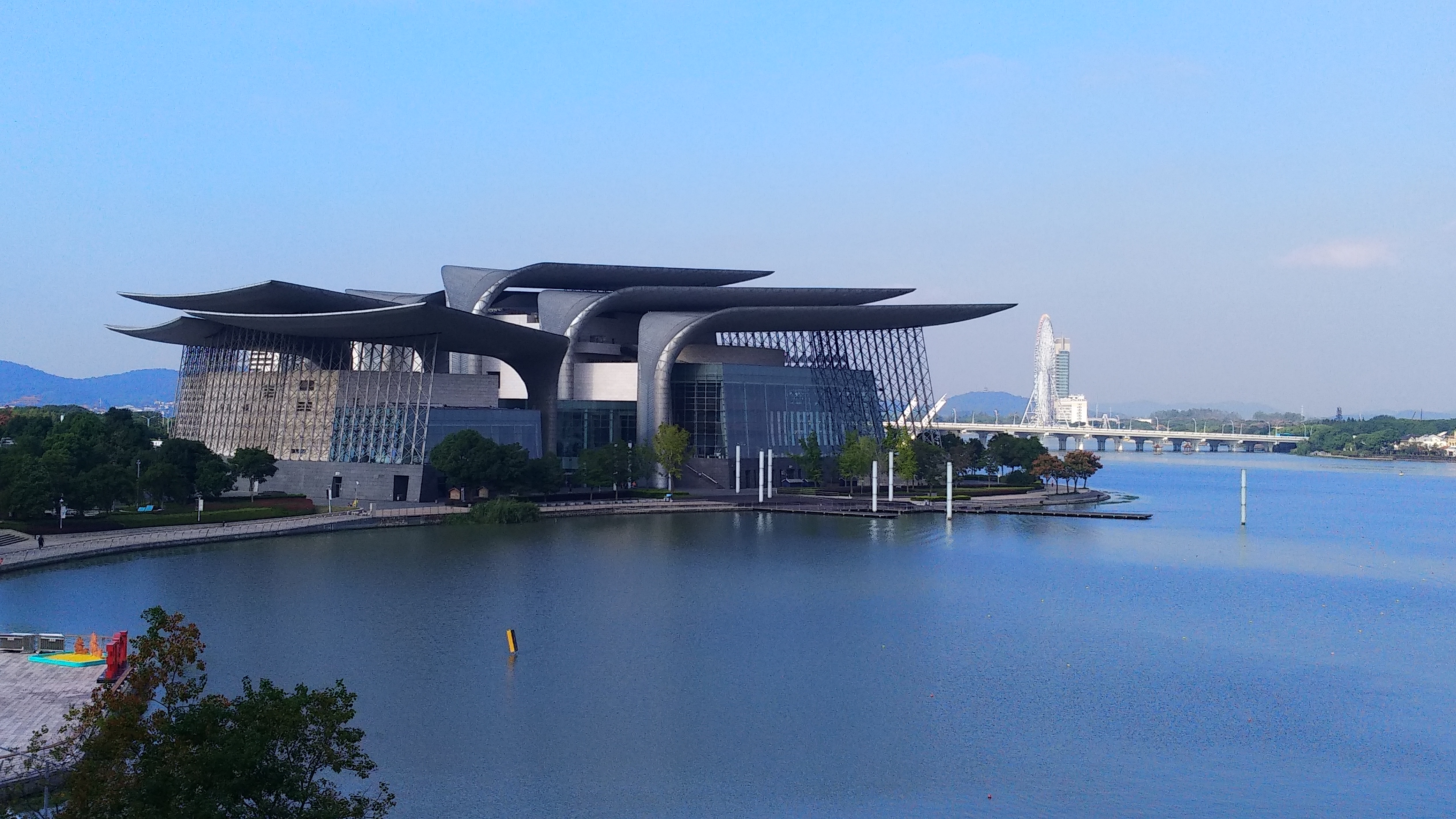
A world-class museum dedicated to the 2,500-year history of the Grand Canal, a UNESCO World Heritage Site. Features immersive exhibitions with augmented reality technology, over 10,000 artifacts including ancient boats and navigation instruments. The striking building resembles a canal boat, designed by renowned architect Zhang Jinqiu. Free but reservation required.

★★★★ 4.7
🕐 9:00 AM-5:00 PM (Closed Mondays)
🎫 Free (reservation required)
🏔️ Nature

Zhuyuwan Scenic Area

A serene ecological park at the confluence of the ancient canal and Yangtze River. Named after the cornel trees that bloom golden in spring. Features wetlands, bird watching areas with over 200 species, and walking trails. Site of a Tang Dynasty imperial dock and relay station—poet Zhang Ruoxu wrote famous verses here.

★★★★ 4.3
🕐 8:00 AM-5:00 PM
🎫 ¥45

Food & Culture

Discover the culinary treasures of Yangzhou, from traditional street food to imperial cuisine.

Things to Do

Slender West Lake Boat Ride

Take a traditional boat through winding waterways past historic pavilions and bridges.

🍴

Morning Tea Experience

Start your day at a historic teahouse with delicate dim sum and Huaiyang delicacies.

Garden Hopping

Explore classical gardens like Ge Garden and He Garden, masterpieces of Chinese landscape design.

Grand Canal Night Cruise

Cruise the illuminated ancient canal and see historic buildings lit up at night.

Dongguan Street Food Walk

Sample local snacks and shop for traditional crafts on this preserved historic street.

Calligraphy at Daming Temple

Visit the ancient temple and see calligraphy inscriptions by famous scholars.

Getting Around

✈️

Airport

Yangzhou Taizhou International Airport (30km)

🚄

High-Speed Rail

Yangzhou East Station (2h to Shanghai, 1h to Nanjing)

🚇

Metro

No metro

Best Time to Visit

🌸

Spring

Mar - May

★★★★★

Peach blossoms and flowers bloom across the city. Perfect weather for garden visits and boat rides.

  • Flower season
  • Comfortable temperatures
  • Slender West Lake beauty
☀️

Summer

Jun - Aug

★★★☆☆

Hot and humid with occasional rain. Lotus flowers bloom in lakes and ponds.

  • Lotus season
  • Evening boat rides
  • Indoor attractions
🍂

Autumn

Sep - Nov

★★★★★

Cool, crisp weather with golden autumn colors. Ideal for walking historic streets.

  • Perfect weather
  • Autumn foliage
  • Moon Festival views
❄️

Winter

Dec - Feb

★★★☆☆

Cold but less crowded. Plum blossoms appear in late winter.

  • Fewer tourists
  • Plum blossoms
  • Cozy teahouses

Continue Exploring China

Discover more cities, food guides, and travel inspiration.