Museum
Tianyi Pavilion
Asia's oldest existing private library, built in 1561, housing over 300,000 ancient books and rare manuscripts.
8:30 AM - 5:30 PM
¥30
A historic port city with 7,000 years of civilization, home to the ancient Tianyi Pavilion library and the world's fourth-largest port.
Ningbo is a historic port city on the east coast of China, with over 7,000 years of civilization dating back to the Hemudu culture. The city covers 9,816 square kilometers and has a population of 9.54 million, making it one of the most important economic centers in the Yangtze River Delta region.
As one of China's oldest ports, Ningbo has been a crucial maritime hub for centuries. It was a major starting point of the ancient Maritime Silk Road and today boasts the world's fourth-largest port by cargo volume. The city's strategic location has made it a center of international trade and cultural exchange.
Ningbo is renowned for its rich cultural heritage. The Tianyi Pavilion, built in 1561, is Asia's oldest existing private library and houses over 300,000 ancient books and manuscripts. The city is also known as the birthplace of the famous "Ningbo Bang" merchants, who played a significant role in China's modern economic development.
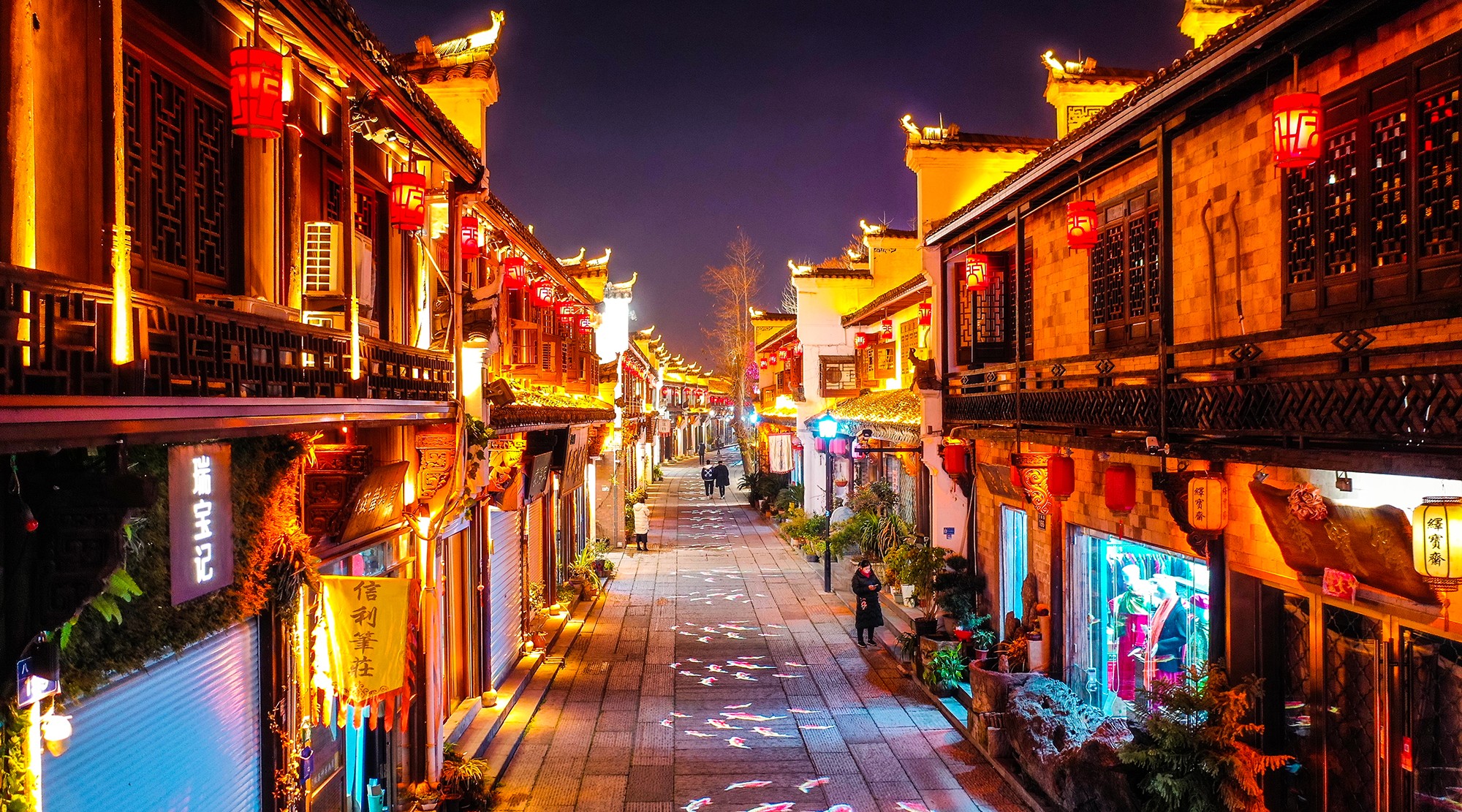
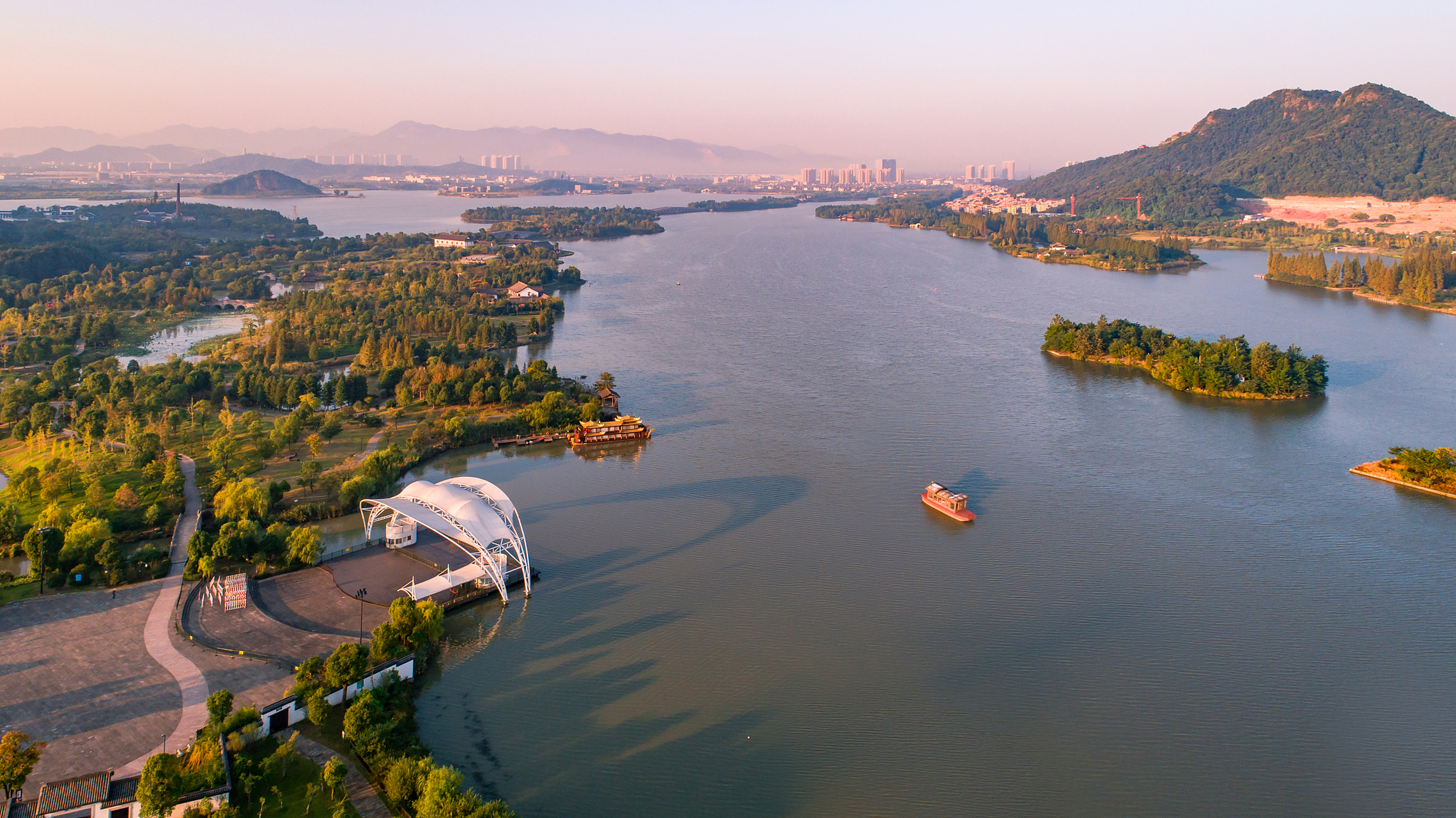
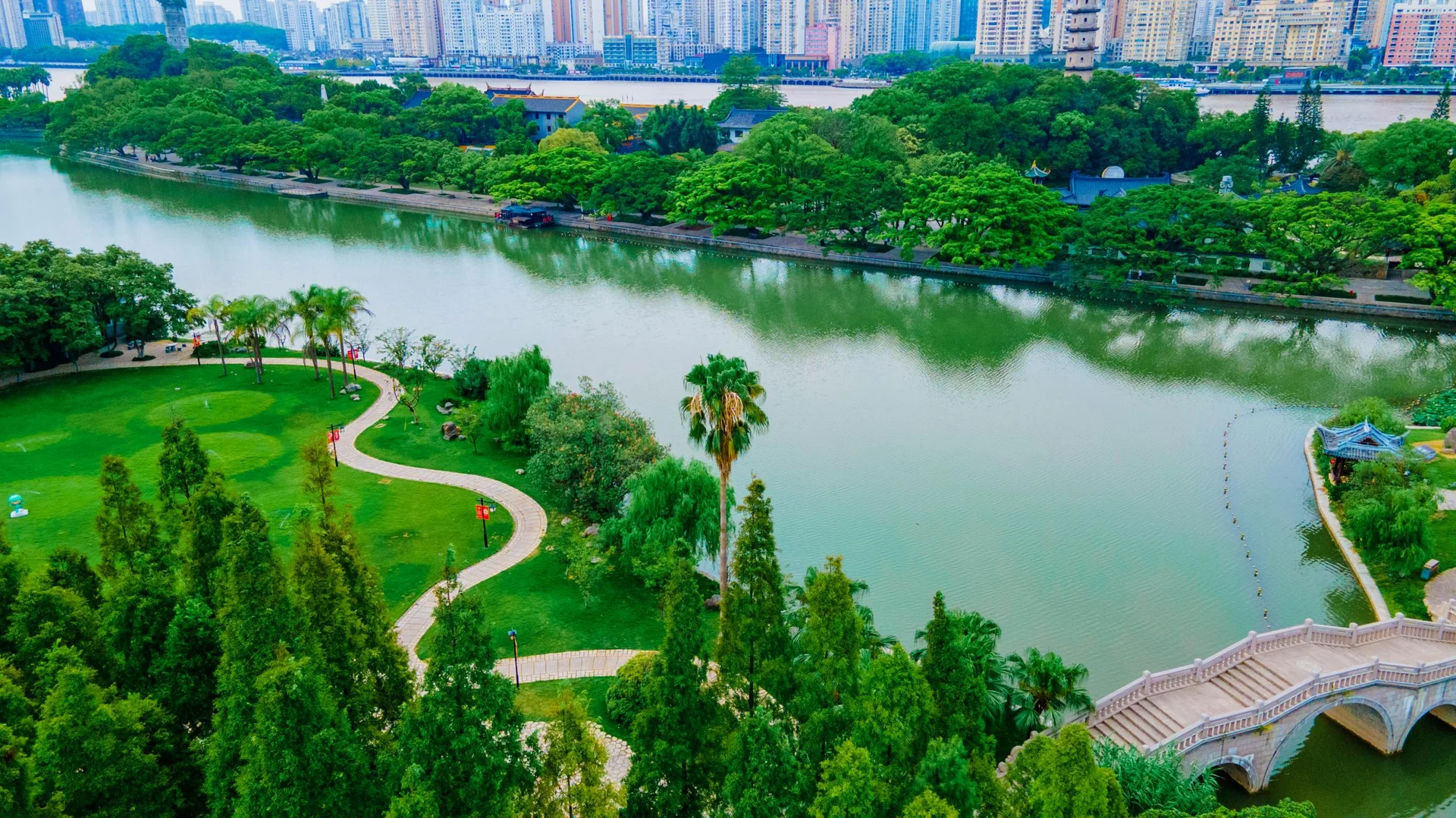
The city offers visitors a unique blend of historical sites, natural beauty, and modern urban life. From the ancient library and colonial architecture of the Old Bund to the scenic Dongqian Lake and sacred Xuedou Mountain, Ningbo provides diverse experiences for travelers interested in history, culture, and nature.
Ningbo's history spans over 7,000 years, beginning with the Neolithic Hemudu culture discovered in 1973. This ancient civilization cultivated rice, built stilt houses, and created sophisticated pottery, marking one of China's earliest agricultural societies.
During the Tang Dynasty (618-907), Ningbo became one of China's three major foreign trade ports, alongside Guangzhou and Yangzhou. The city flourished as a center of maritime commerce, connecting China with Japan, Korea, and Southeast Asia. The Maritime Silk Road brought prosperity and cultural exchange.
The Song Dynasty (960-1279) saw further development of Ningbo's port facilities and commercial activities. The city became known for its craftsmanship, particularly in ceramics and shipbuilding. Many merchants accumulated great wealth, laying the foundation for the famous "Ningbo Bang" merchant culture.
In the Ming Dynasty, Fan Qin built the Tianyi Pavilion in 1561, creating Asia's oldest private library that still stands today. The library survived wars and natural disasters, preserving countless ancient texts for future generations.
The Opium War in the 1840s forced Ningbo to open as a treaty port, leading to the establishment of the Old Bund, China's earliest foreign settlement. This period left behind a unique architectural heritage of colonial buildings.
Today, Ningbo continues its legacy as a major port city and economic powerhouse, while preserving its rich cultural heritage for future generations to explore.
Ningbo's economy is built on its port, manufacturing, and growing service sector. In 2025, the city's GDP reached 1,645 billion yuan. As one of the world's busiest ports, Ningbo-Zhoushan Port handles over 1.2 billion tons of cargo annually, ranking first globally.
Manufacturing is a cornerstone of Ningbo's economy. The city is known for petrochemicals, machinery, textiles, and electronics. Many global brands have manufacturing bases in Ningbo, taking advantage of its port access and skilled workforce.
The city is also a major center for small and medium enterprises. The "Ningbo Bang" merchant tradition continues today with thousands of private companies engaged in domestic and international trade. Ningbo's private sector accounts for over 80% of the city's economy.
Traditional industries include fishing and seafood processing, textiles, and handicrafts. The city is famous for its seafood, particularly marinated crab and yellow croaker. Modern industries include automotive parts, new materials, and high-tech electronics.
Tourism contributes increasingly to the economy, with visitors attracted by historical sites like Tianyi Pavilion, natural beauty at Dongqian Lake, and cultural experiences. The city's convention center and business facilities also attract MICE (meetings, incentives, conferences, exhibitions) tourism.
Discover the culinary treasures of Ningbo, from traditional street food to imperial cuisine.
Ningbo Lishe International Airport (NGB)
Connected to Shanghai, Hangzhou, and major cities
Network with multiple lines covering urban area
Extensive network covering all districts
Available throughout the city
Spring (April-May) and Autumn (September-October) offer the best weather for most destinations in China.
Discover more cities, food guides, and travel inspiration.