Nature
Shenxianju (Immortal's Dwelling)
National 5A scenic area featuring dramatic peaks, deep valleys, waterfalls, and ancient forests. Known as "where immortals dwell."
8:00 AM - 5:00 PM
¥125
A coastal city known as the birthplace of private enterprise in China, featuring sacred Buddhist mountains and unique culinary traditions.
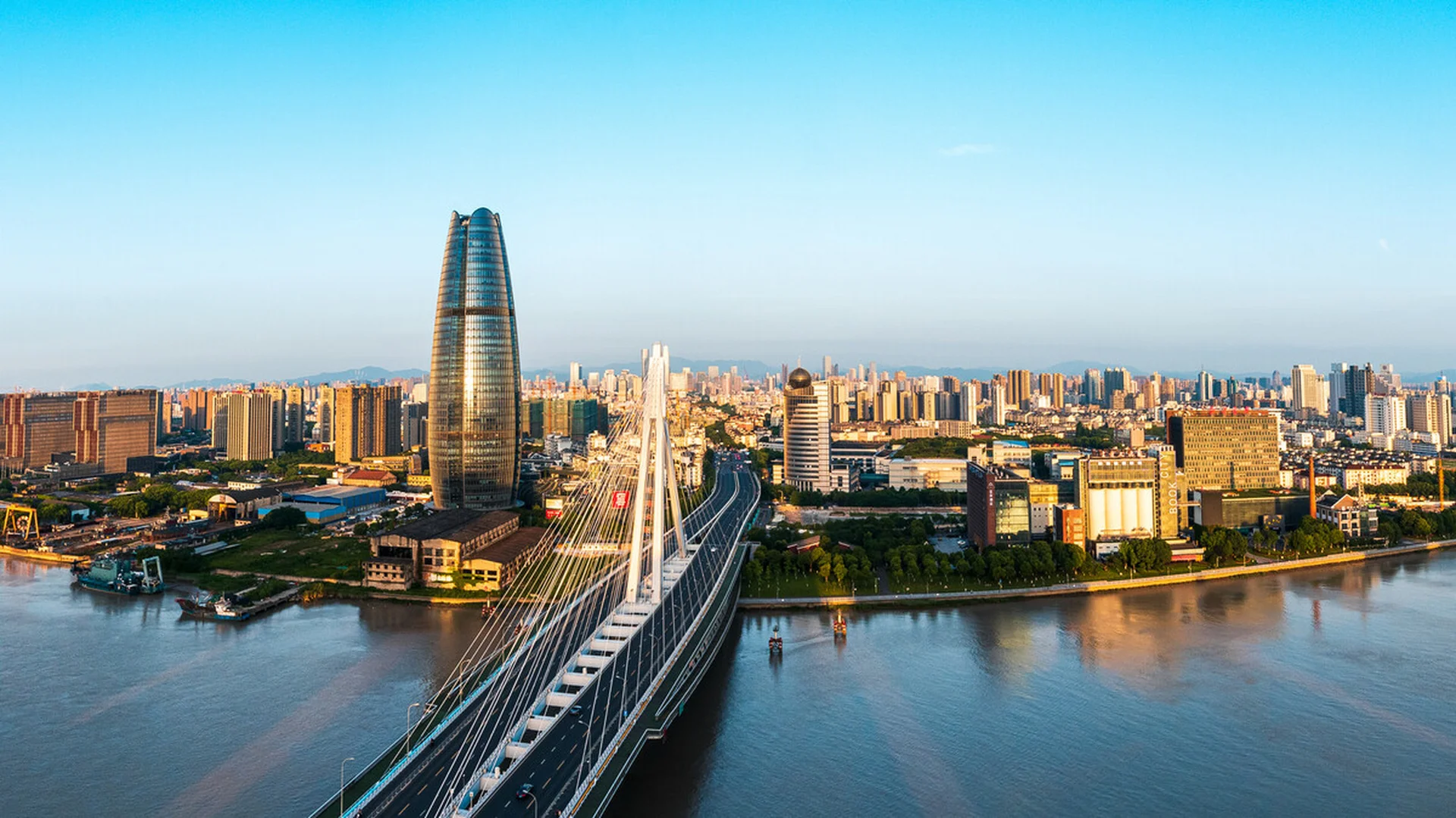
Taizhou is a coastal city in eastern Zhejiang Province, famous as the birthplace of Chinese private enterprise and sacred Buddhist sites. The city covers 10,050 square kilometers and has a population of 6.62 million, serving as an important economic and cultural center on China's southeast coast.
The city holds profound religious significance as the birthplace of both the Tiantai sect of Buddhism and the Southern sect of Taoism. Tiantai Mountain, a UNESCO World Heritage site, has been a center of Buddhist learning for over 1,500 years. Guoqing Temple, founded in 598 AD, remains one of China's most prestigious temples.
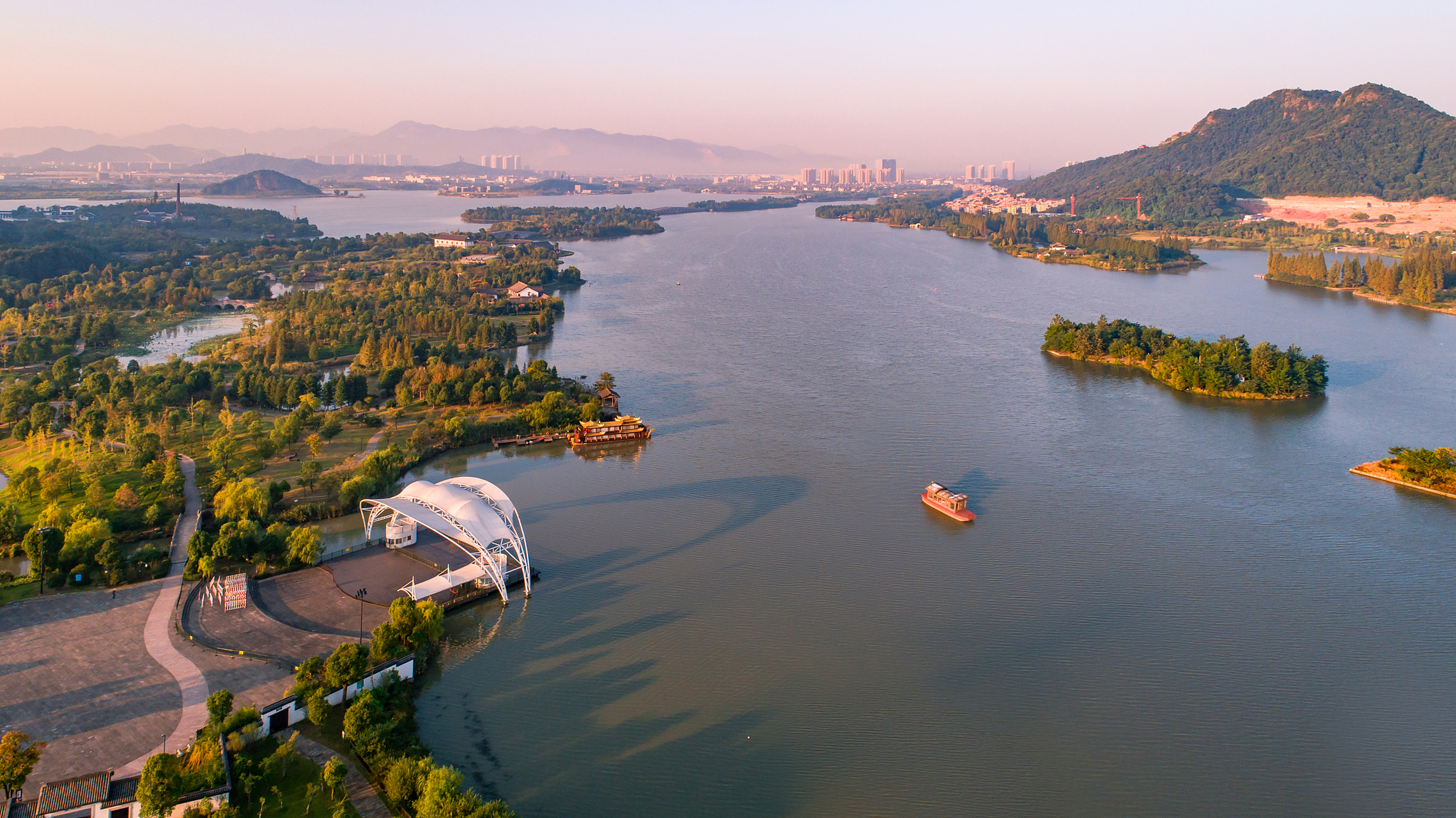
Taizhou is known for its dramatic natural scenery. Shenxianju, or "Immortal's Dwelling," features towering peaks, deep valleys, and cascading waterfalls that earned it the name "where immortals dwell." The Jiangnan Great Wall in Linhai preserves one of China's best-preserved ancient city walls.
As the cradle of China's private enterprise economy, Taizhou has developed thriving industries in automotive parts, pharmaceuticals, and manufacturing. The city's entrepreneurial spirit has made it one of Zhejiang's economic powerhouses.
Taizhou's cuisine reflects its coastal and mountain heritage. From fresh seafood to unique dishes like shibingtong (food rolls) and ginger soup noodles, the local food culture offers flavors found nowhere else in China.
Taizhou's history spans over 2,000 years, with human settlement dating back to the Neolithic period. The area gained prominence during the Tang Dynasty (618-907) when Tiantai Buddhism was founded here by Master Zhiyi.
The Tiantai sect became one of the most influential Buddhist schools in East Asia, spreading to Japan and Korea. The founding of Guoqing Temple in 598 AD established Taizhou as a major Buddhist center that attracted pilgrims from across Asia.
During the Song Dynasty (960-1279), Taizhou flourished as a center of culture and commerce. The city walls of Linhai, now known as the Jiangnan Great Wall, were built during this period and remain among China's best-preserved ancient fortifications.
The Ming and Qing dynasties saw continued development of Taizhou's maritime trade and fishing industries. The city's strategic coastal position made it an important port for both domestic and international commerce.
In modern times, Taizhou pioneered China's private enterprise economy in the 1980s. The city became a model for private sector development, with thousands of family businesses growing into major enterprises. Today, Taizhou's private economy accounts for over 90% of the city's GDP.
The city continues to honor its Buddhist heritage while embracing modern development, creating a unique blend of ancient spirituality and entrepreneurial dynamism.
Taizhou's economy is driven by private enterprise, manufacturing, and coastal industries. In 2025, the city's GDP reached 605 billion yuan, with the private sector accounting for over 90% of economic output.
Manufacturing is the backbone of Taizhou's economy. The city is known for automotive parts, pharmaceutical chemicals, plastic molds, and pumps. Many national and international brands source components from Taizhou's factories.
Taizhou pioneered China's private enterprise model in the 1980s, when farmers and small entrepreneurs started family businesses that grew into major corporations. Today, the city has over 100,000 private enterprises employing millions of workers.
The city's coastal location supports a thriving fishing industry and seafood processing sector. Fresh catches from the East China Sea supply restaurants and markets across China. Aquaculture, including fish and shellfish farming, is also significant.
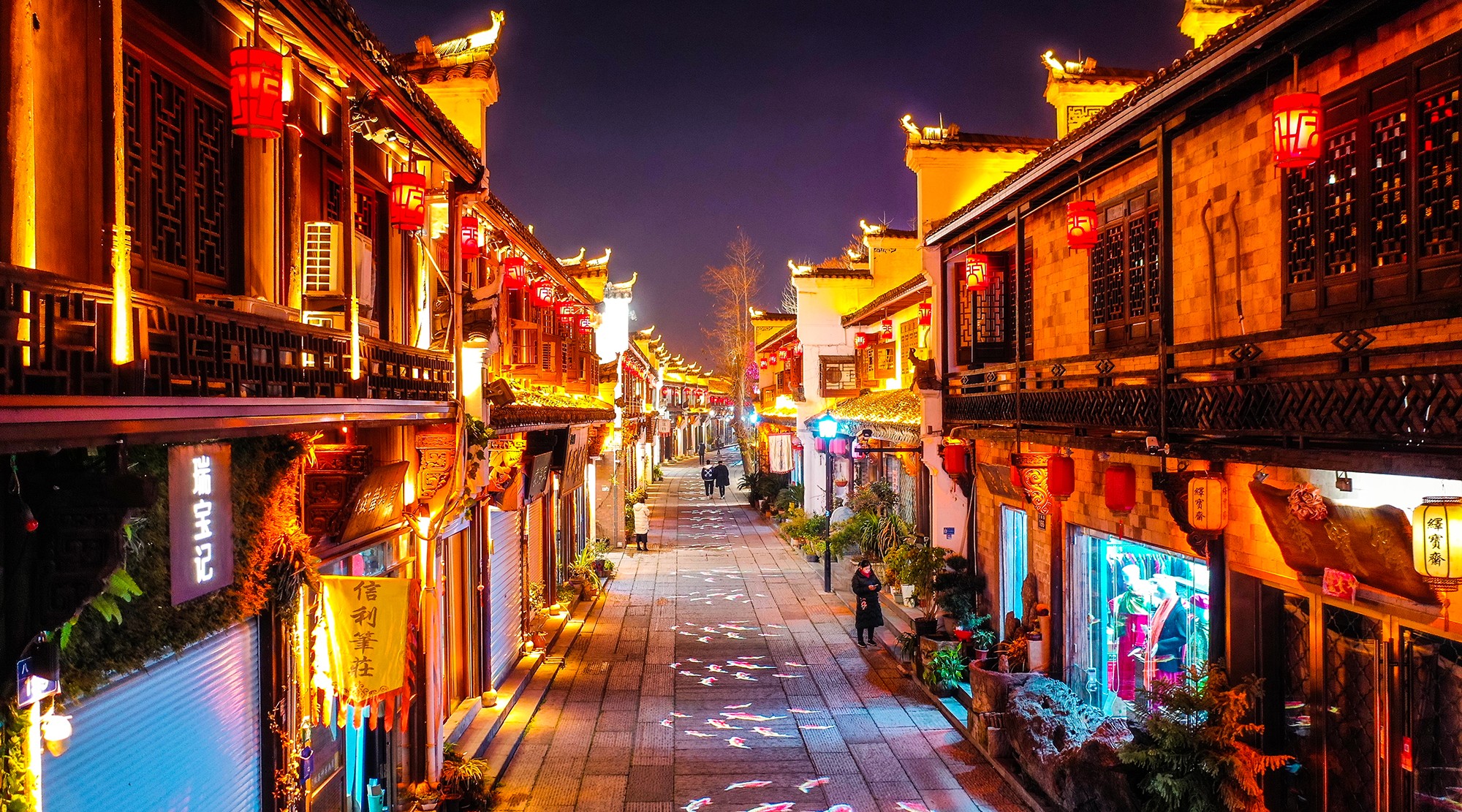
Tourism contributes increasingly to the economy, with visitors attracted by Tiantai Mountain's religious significance, Shenxianju's natural beauty, and the ancient city walls. The city's unique cuisine also draws food enthusiasts.
Traditional industries include agriculture, with specialty crops like citrus fruits and tea. Modern industries include new energy, electronics, and advanced manufacturing. Taizhou aims to transition from traditional manufacturing to high-tech industries while preserving its entrepreneurial spirit.
Discover the culinary treasures of Taizhou, from traditional street food to imperial cuisine.
Taizhou Luqiao Airport (HYN)
Connected to Hangzhou, Ningbo, and Wenzhou
None currently (under planning)
Extensive network covering urban and rural areas
Available throughout the city
Spring (April-May) and Autumn (September-October) offer the best weather for most destinations in China.
Discover more cities, food guides, and travel inspiration.